
Vegetables
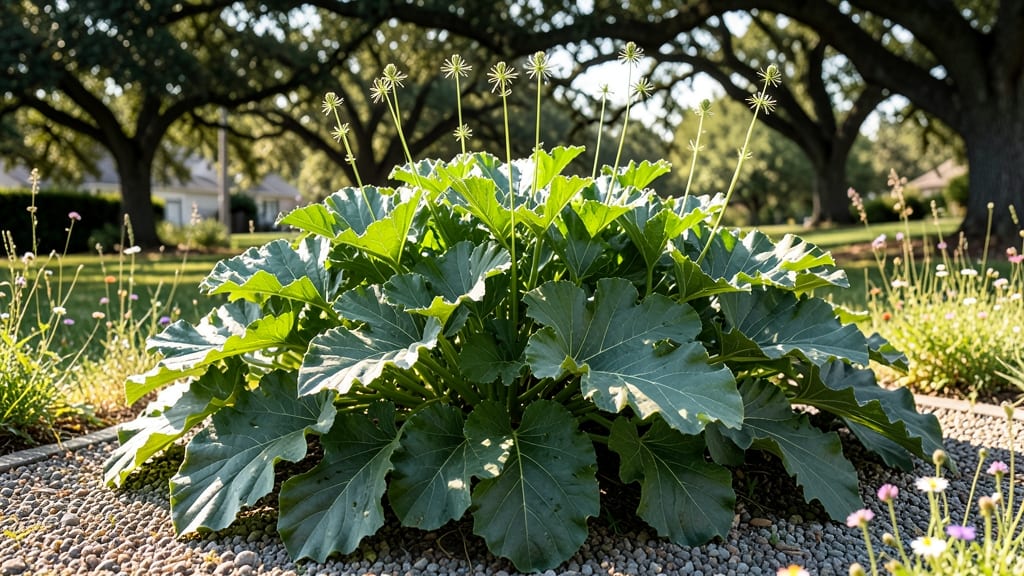
If you’ve ever wondered when is the best time to plant vegetables in Texas 🌱 to avoid wilting under the heat or bolting before harvest, timing is the real culprit—not your green thumb.
The best time to plant in Texas isn’t just about dodging frost (though that matters too)—it’s about syncing with the state’s brutal heat cycles, lunar phases, and even your local microclimate.
Let me cut to the chase: North Texas gardeners should start cool-season crops like broccoli by February, while South Texas can plant heat-lovers like okra as early as March. But here’s the twist—aligning your planting with the moon’s phases can boost yields by up to 30%.
Yes, really. I’ll show you exactly which phases work for roots vs. leaves and how to dodge Texas’ infamous summer slump.
Whether you’re a backyard gardener in Austin or a small-farm hopeful in El Paso, this guide breaks down the non-negotiable timeline for your zone, plus pro tips to beat drought and extend harvests. No more guessing—just science-backed timing for Texas-sized success.
Ready to turn your garden into a high-yield machine? Let’s dive into the secrets that separate thriving Texas vegetables 🌱 from sad, sun-scorched failures.
Texas planting zones & frost dates: the non-negotiable timeline
Texas’ diverse climate means your planting schedule should depend on whether you’re in North Texas (like Dallas) or South Texas (like San Antonio). The state spans USDA Zones 7-10, with frost dates ranging from mid-November to early March in the north and rarely below 32°F in the south.
Knowing your last frost date is critical—plant too early, and frost will kill tender seedlings.
For example, North Texas (Zones 7-8) typically has its last frost around March 15, while South Texas (Zones 9-10) rarely sees frost.
This means cool-season crops like broccoli and lettuce can go in the ground 6-8 weeks before your last frost date, while warm-season crops like tomatoes and peppers need to wait until soil warms to 60°F or higher.
Here’s the 30-day rule I swear by: If you’re transplanting seedlings (like tomato or pepper starts), plant them no more than 30 days before your last frost. This gives them time to establish roots before the cold sets in.
For direct-sown seeds, like beans or cucumbers, wait until the soil is consistently above 60°F—usually mid-April to May in most of Texas.
Pro tip: Use the USDA Plant Hardiness Zone Map to find your exact zone, then cross-reference with your local cooperative extension service for hyper-local frost data. For instance, Amarillo (Zone 7b) has a later last frost than Houston (Zone 9a), so adjust accordingly.
Texas also has a second planting window in late summer for fall crops. After the brutal summer heat, temperatures drop in September-October, making it ideal for kale, spinach, and carrots. This is your chance to double your harvest without competing with summer’s heat.
Now, let’s talk microclimates. Even within a city, urban heat islands can create pockets of warmth. If you live near a lake or river, like in Austin, you might plant 2-4 weeks earlier than inland areas.
Conversely, elevated areas (like the Hill Country) can have cooler nights, delaying your planting by a week or two.
Here’s a quick cheat sheet for Texas gardeners:
- North Texas (Zones 7-8): Start cool crops indoors in February, transplant outdoors after March 15.
- Central Texas (Zones 8-9): Plant cool crops in October-November or February-March.
- South Texas (Zones 9-10): Plant year-round with minimal frost risk, but focus on summer heat-tolerant crops like okra and sweet potatoes.
One mistake I see often? Ignoring soil temperature. A soil thermometer is your best friend—50°F is ideal for cool crops, while 60°F+ is non-negotiable for warm-season plants. If your soil is too cold, your seeds will rot, and your seedlings will struggle.
Let’s dive into how to use this timeline with moon phase planting for even better results. But first, here’s a side-by-side comparison of Texas’ key planting zones and their critical dates:
| Zone | Last Frost Date | Ideal Start for Cool Crops | First Planting Window (Warm Crops) | Fall Planting Window |
|---|---|---|---|---|
| North Texas (7-8) | Mid-March | Indoors: Feb 1 | After April 15 | Late Aug - Sept |
| Central Texas (8-9) | Late Feb - Early March | Indoors: Jan 15 | After March 1 | Sept - Oct |
| South Texas (9-10) | Rarely below 32°F | Year-round (shade) | Feb - Nov | Oct - Dec |
With this timeline locked in, you’re ready to align your planting with the moon’s phases for stronger roots and higher yields.
For instance, root vegetables like carrots and potatoes thrive when planted during the waxing moon, while leafy greens like lettuce and spinach do best during the waning moon. Stay tuned for my next section on moon phase secrets tailored to Texas crops!
Remember: Texas gardening is a marathon, not a sprint. Adjust your schedule yearly based
Moon phase planting guide for Texas vegetables: which days work best?
Texas’ unpredictable weather makes timing critical, but the moon’s phases offer a predictable edge for gardeners. Planting during the right lunar phase can boost root growth, leaf production, and overall yield—especially for heat-sensitive Texas crops like tomatoes and peppers.
The key? Aligning your planting schedule with the moon’s gravitational pull on water and soil moisture.
Root vegetables like carrots and potatoes thrive when planted during the waxing moon (when the moon is growing brighter), while leafy greens such as lettuce and kale benefit from the waning moon (when the moon is shrinking).
This ancient technique isn’t just folklore—it’s backed by centuries of gardening wisdom and modern lunar calendars.
Here’s how to use the moon’s phases for Texas-specific planting success, tailored to your region’s climate quirks:
| Vegetable | Best Moon Phase | Texas Planting Window | Why It Works |
|---|---|---|---|
| Tomatoes | Waxing Gibbous | March–April (North TX) / Feb–March (South TX) | Boosts fruit development in heat |
| Peppers | Waxing Crescent | April–May (All Regions) | Encourages strong root systems |
| Carrots | Waning Crescent | September–October (Fall) | Prevents forking in loose soil |
| Lettuce | Full Moon | August–September (Fall) / Feb (Spring) | Maximizes leaf growth |
| Green Beans | First Quarter | April–May (Spring) / Sept (Fall) | Supports vine strength |
| Onions | Waxing Gibbous | February–March (Spring) | Enhances bulb formation |
For urban gardeners or those in container gardens, the moon’s influence is just as powerful. Water your plants more frequently during the full moon to take advantage of its increased gravitational pull on water, which helps roots absorb moisture more efficiently.
Avoid planting during the new moon—this phase is best for resting the soil and planning your garden layout.
Pro tip: Use a free lunar calendar like [Old Farmer’s Almanac](https://www.almanac.com/) to sync your planting with the moon’s phases. Simply enter your Texas ZIP code to get a customized schedule that accounts for local frost dates and heat spikes.
Even a 10% increase in yield from proper timing is worth the extra step!
Remember, the moon’s phases won’t replace proper soil prep or pest control, but they can give your Texas vegetables a competitive edge—especially in a state where heat stress and drought can quickly derail a garden. Start experimenting with lunar planting this season and watch your harvests thrive! 🌱