
Plants
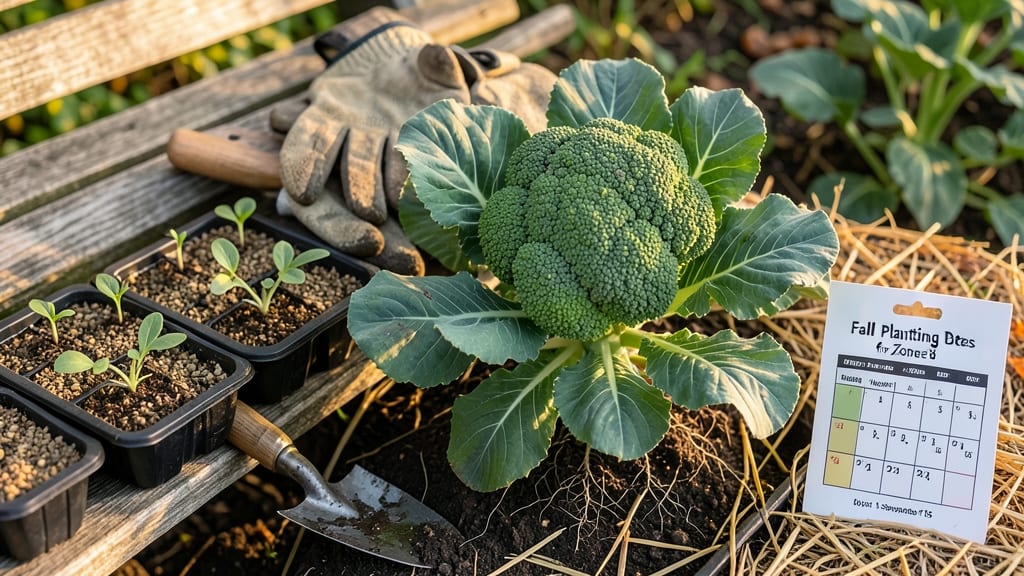
To plant fall crops in Zone 8 at just the right time means the difference between a bountiful harvest and wasted effort—especially when you're working with 4-6 weeks before that first frost hits.
The key isn't just dropping seeds in the dirt and hoping for the best; it's about timing your plantings so your 🌾 leafy greens, root vegetables, and brassicas mature before temperatures drop too low.
I’ve learned the hard way that planting too early can leave crops struggling in summer heat, while waiting too long risks them bolting or getting nipped by frost.
Zone 8 gardeners have a unique advantage: milder winters mean a longer growing window, but you still need to nail those dates to avoid common mistakes like overcrowding or underestimating soil cooling.
What if I told you that with the right schedule, you could enjoy fresh greens straight from your garden well into December? The secret lies in understanding your local frost dates, soil temperatures, and which crops thrive in cool weather.
Let me walk you through the exact steps to plan your fall garden—so you can enjoy homegrown goodness long after summer’s over.
From heat-tolerant varieties to succession planting tricks, we’ll cover everything you need to know to make the most of your Zone 8 fall harvest. No more guesswork—just a foolproof plan to keep your garden productive until winter sets in.
Best fall planting timeline for Zone 8 cool-season crops
Zone 8 gardeners have a golden window for fall planting—typically mid-August to mid-September—to grow cool-season crops before the first frost hits around November 15. Timing is everything: plant too early, and your crops bolt in summer heat; too late, and frost ruins your harvest.
The key is succession planting in staggered batches to extend your harvest.
Start with heat-tolerant varieties like Malabar spinach or Swiss chard in late July to early August. These handle summer heat before transitioning to cooler fall temps. For most leafy greens and root crops, aim for 4-6 weeks before frost—that’s mid-August to early September for Zone 8.
Here’s the critical timeline broken down by crop type to ensure you harvest before frost:
| Crop Type | Planting Window | Days to Harvest | Frost Tolerance | Notes |
|---|---|---|---|---|
| Leafy Greens (Lettuce, Spinach, Kale) | Mid-August – Early September | 30–60 days | Moderate (32°F) | Bolt-resistant varieties preferred |
| Root Vegetables (Carrots, Beets, Radishes) | Late July – Mid-September | 45–80 days | High (28°F) | Loose, well-drained soil critical |
| Brassicas (Broccoli, Cabbage, Brussels Sprouts) | Early August – Mid-September | 60–100 days | Very High (25°F) | Start seeds indoors for head start |
| Peas & Beans (Sugar Snap, Wax, Bush Beans) | Mid-September – Early October | 50–70 days | Moderate (28°F) | Use frost cloth for late plantings |
| Green Onions & Garlic | Late September – October | 60–90 days | High (20°F) | Plant cloves for next year’s harvest |
For succession planting, sow small batches every 2 weeks starting in August. This ensures a continuous harvest until frost. For example, plant radishes every 10 days—they mature in just 25 days and won’t overwhelm your garden.
Soil temperature is just as critical as air temperature. Most cool-season crops thrive when soil is between 45°F–75°F. Use a soil thermometer to check before planting.
If your soil is still above 80°F in late August, opt for heat-tolerant varieties like ‘Black Seeded Simpson’ lettuce or ‘Bright Lights’ chard.
Pro tip: Hardening off seedlings for 7–10 days before transplanting in fall reduces shock. Gradually expose them to cooler temps and wind by placing them outdoors for increasing durations each day. This toughens them up for the transition to your garden.
Watch your local 10-day forecast for temperature drops. If a cold snap is predicted, prioritize planting fast-maturing crops like baby spinach or turnips, which can tolerate light frost and still deliver harvests.
Remember, Zone 8’s mild winters mean you can often extend harvests into December with row covers or cold frames. But for now, focus on nailing those August–September plantings to set yourself up for a bountiful fall garden.
Best fall planting timeline for Zone 8 cool-season crops
Timing is everything when planting fall crops in Zone 8. The average first frost date for Zone 8 is around November 15, but heat-tolerant varieties and strategic planting can push your harvest even later.
Start with fast-maturing crops 6-8 weeks before frost, while slower growers need 10-12 weeks to mature.
For leafy greens like spinach and kale, aim for late summer planting (mid-August). These cool-season crops thrive in cooler temps and can often survive light frosts. Meanwhile, root vegetables like carrots and beets should hit the soil by early to mid-September to mature before winter sets in.
| Crop Type | Planting Window | Days to Harvest | Frost Tolerance |
|---|---|---|---|
| Leafy Greens (Spinach, Kale) | Mid-August to early September | 30-50 days | Moderate (survives light frost) |
| Root Vegetables (Carrots, Beets) | Early to mid-September | 60-80 days | High (improves with frost) |
| Brassicas (Broccoli, Cabbage) | Late August to early September | 70-90 days | Moderate (needs protection) |
| Peas | Mid-September | 60-70 days | High (loves cool weather) |
Don’t forget about succession planting—this technique lets you stagger plantings every 2-3 weeks to ensure a continuous harvest. For example, plant a batch of lettuce in late August, then repeat in early September for a second harvest just before frost.
Soil temperature also plays a role. Most cool-season crops prefer soil temps between 40°F and 70°F. Test your soil with a thermometer before planting to avoid delays. If temps are too high, wait a few days or use shade cloth to cool the soil.
For heat-sensitive crops like lettuce, start seeds indoors in late July and transplant outdoors once temps drop below 80°F. This gives them a head start and maximizes your growing window before frost.
Finally, keep an eye on your local frost forecast. While Zone 8 rarely sees hard frosts, unexpected cold snaps can still damage tender crops. Plan to harvest before temps dip below 28°F, or use row covers to protect your plants.