
Plants
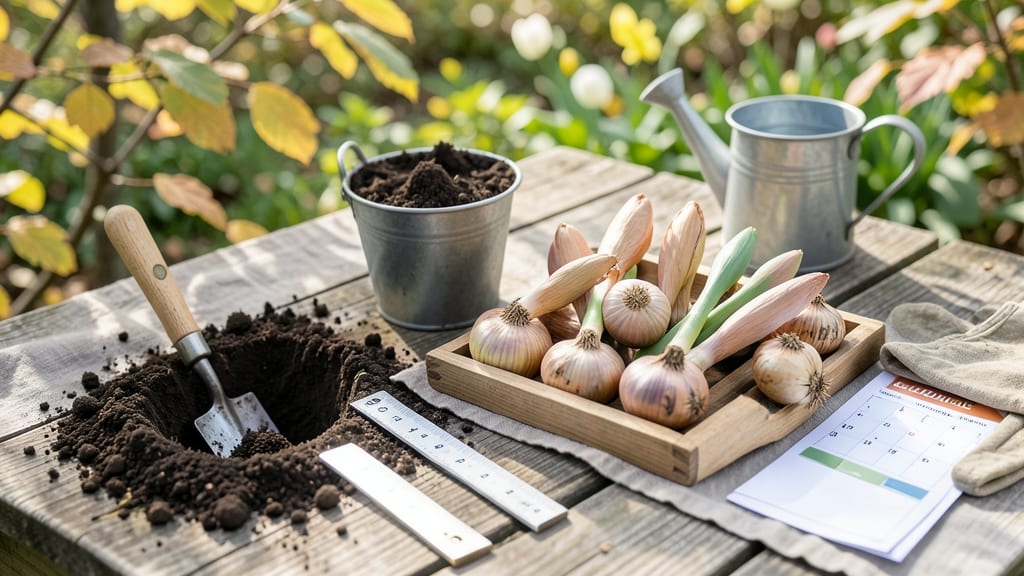
When should you plant bulbs in the ground? Timing it right guarantees years of effortless color—but getting it wrong can mean missing next spring’s vibrant blooms. The best window for planting bulbs depends on your climate zone, with most varieties thriving when soil cools to 60°F or below.
For gardeners in USDA Zone 6a, like me, fall is the golden season to tuck bulbs into the earth—typically 6-8 weeks before the first frost. This means September through November, when the ground is workable but still warm enough to encourage root growth before winter sets in.
Why does timing matter so much? Bulbs need time to establish roots before dormancy kicks in, and planting too early or late can stress them—or worse, leave them vulnerable to rot. I’ll walk you through the exact month-by-month guide tailored to your region, so you never miss another bloom.
Whether you’re a first-time planter or a seasoned gardener, this guide will help you sync your planting schedule with nature’s rhythm. Let’s get those 🌱 bulbs in the ground at the perfect moment for maximum impact.
Best months to plant bulbs by USDA climate zone
Planting bulbs at the right time ensures they establish strong roots before winter dormancy. Most spring-blooming bulbs like tulips and daffodils need 6-8 weeks before the first frost to root properly. In USDA zones 3-7, aim for September-October, while warmer zones (8-10) can plant until November-December.
Summer-blooming bulbs like dahlias and cannas go in late spring after frost risk passes.
Your USDA zone determines the exact window. For example, zone 5 gardeners plant in September to avoid early freezes, while zone 9 can extend planting into December.
Check your last frost date—most bulbs need 40-60°F soil for root growth. Use this as your planting deadline to avoid rot or frost damage.
Here’s a quick reference for common bulbs and their ideal planting months by zone:
| Bulb Type | USDA Zones | Best Months | Notes |
|---|---|---|---|
| Tulips | 3-9 | Sep-Oct (Zones 3-7), Oct-Nov (Zones 8-9) | Plant in well-draining soil; avoid soggy spots. |
| Daffodils | 3-10 | Sep-Nov (varies by zone) | Deer-resistant; great for woodland gardens. |
| Hyacinths | 4-9 | Sep-Oct (Zones 4-7), Oct-Nov (Zones 8-9) | Plant clusters for bold fragrance. |
| Crocuses | 3-8 | Sep-Oct | Early bloomers; great for rock gardens. |
| Dahlias | 7-11 | Apr-May (after frost) | Summer bloomers; stake tall varieties. |
For USDA zones 3-5, prioritize September planting to avoid early freezes. In zones 6-8, you have flexibility until October-November. Zones 9-10 can plant into December or even early January for spring blooms.
Always check your local frost dates—some years, late October planting might still work if soil stays warm.
Pro tip: Use a soil thermometer to confirm temperatures are below 60°F but not frozen. Bulbs planted in warmer soil may sprout too early and get damaged by frost. If you’re unsure, plant 4-6 weeks before your average first frost date for safety.
Adjust for late seasons by choosing hardier bulbs like daffodils or alliums, which tolerate cooler soils. For early planting, focus on tulips or hyacinths, which root quickly. Always amend soil with compost to improve drainage—bulbs rot in soggy conditions.
Container gardeners can plant bulbs anytime in warm climates, but follow the same 6-8 week rule before frost. Use well-draining pots and fertilize lightly after planting. For indoor forcing (like paperwhites), plant in late summer for holiday blooms.
Missed your window? Don’t panic! Some bulbs, like crocuses or snowdrops, can handle late fall planting if soil isn’t frozen. Others, like tulips, may still bloom but with fewer flowers. Next year, mark your planting calendar with your last frost date and set reminders.
🌱
How to tell when soil and weather are ready for bulb planting
Planting bulbs at the wrong time can stunt their growth or even kill them before they bloom. The key to success lies in understanding soil temperature, moisture levels, and weather forecasts.
Most bulbs need cool soil (40-60°F) and 6-8 weeks before the first frost to establish roots before winter sets in. Ignore these cues, and you risk bulbs rotting or failing to flower next season.
Start by checking your local frost dates—most garden centers provide this info based on your USDA zone. For example, in Zone 5, aim to plant by mid-October, while Zone 8 gardeners can wait until November.
Use a soil thermometer to confirm temperatures are in the ideal range—bulbs won’t thrive if planted in warm soil.
Next, assess moisture levels. Bulbs need consistent but not soggy soil—waterlogged conditions can cause rot. Before planting, water the area deeply to simulate natural rainfall.
If the soil drains slowly (test by digging a small hole and filling it with water), amend it with compost or sand to improve drainage.
🌱
Planting bulbs in warm soil (>60°F) triggers early sprouting, which can be killed by frost. Conversely, planting too late leaves bulbs vulnerable to rodents or freezing. If your soil is too warm, wait 2-3 weeks or use shade cloth to cool it. In late seasons, opt for hardier bulbs like crocus or snowdrops, which tolerate colder soil.
Don’t overlook weather forecasts. Avoid planting if a heatwave or heavy rain is predicted within a week—both can disrupt root establishment. Clear skies and cool nights (below 50°F) are ideal. If your area experiences unpredictable weather, plant container-grown bulbs instead for flexibility.
Finally, adjust for early or late seasons. In mild winters (Zones 9-10), plant summer bulbs like dahlias in late winter (February-March) to avoid heat stress. In cold climates (Zones 3-4), extend the season by planting early bulbs like crocus in late summer (August) for fall blooms.
With these checks, you’ll ensure your bulbs get the perfect start—setting the stage for vibrant blooms next spring. Happy planting! 🌷