
Plants
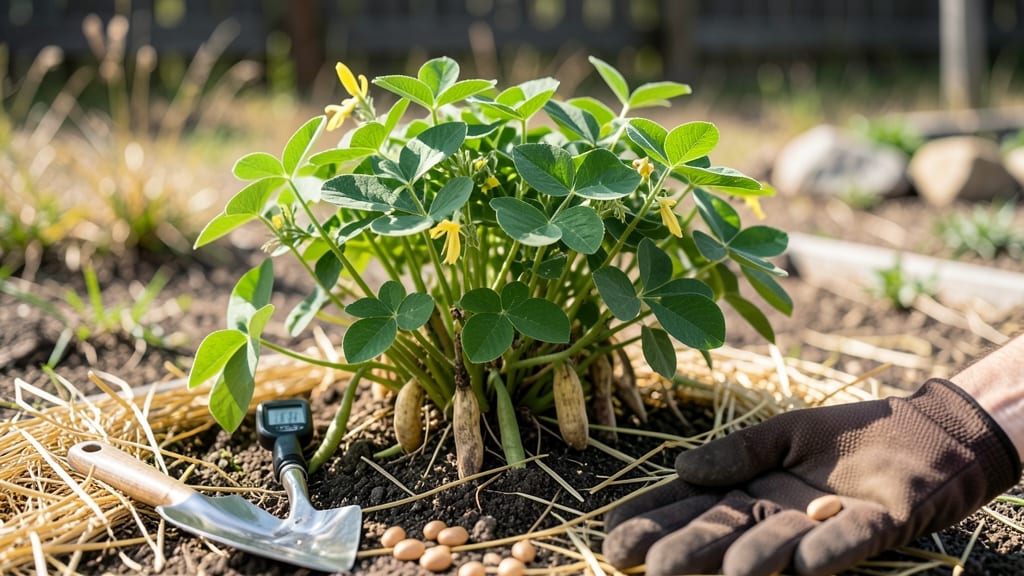
Planting peanuts in Georgia at the wrong time can mean the difference between a bountiful harvest of 🥜 and a disappointing yield. Unlike many crops, peanuts thrive when the soil is warm—not just after the last frost, but when temperatures consistently hit 68°F or higher.
Most Georgia gardeners wait until mid-April to early June, but timing depends on your USDA zone (7b-8b) and soil conditions. Planting too early risks stunted growth from cold soil, while waiting too late can shorten the growing season before harvest in late September or October.
I’ll break down the best planting windows for your specific heat zone, soil temperature tips, and how to choose the right peanut varieties for Georgia’s climate. Whether you’re a first-time grower or a seasoned farmer, these insights will help you maximize your yield.
Ready to grow peanuts like a pro? Let’s dive into the perfect planting schedule for your Georgia garden.
Peanut planting dates in Georgia by heat Zone: USDA Zone 7b-8a guide
Georgia’s peanut-growing season hinges on two key factors: USDA heat zones and soil temperature. Most of the state falls within Zone 7b (northern regions) and Zone 8a (southern areas), each with slightly different planting windows.
In Zone 7b, where last frosts typically linger until mid-April, aim for late April to early May plantings. Meanwhile, Zone 8a’s warmer climate allows earlier starts—mid-April to late April—to capitalize on the longer growing season.
University of Georgia Extension studies show that planting too early—before soil reaches 68°F+—leads to poor pegging (the underground peanut pods) and increased disease risk. Conversely, late plantings after mid-June risk immature harvests before Georgia’s first frost in November.
The sweet spot? Mid-April to early June, when both soil and air temperatures align for optimal growth.
For visual clarity, here’s a breakdown of the ideal planting windows by zone, along with critical risks to avoid:
| Zone | Optimal Planting Window | Soil Temp Requirement | Key Risks |
|---|---|---|---|
| 7b (North GA) | Late April–Early May | 68°F+ (consistent) | Early frost damage, slow germination |
| 8a (South GA) | Mid-April–Late April | 68°F+ (consistent) | Late-season drought, pest pressure |
| Both Zones | Early June (absolute latest) | 68°F+ (minimum) | Immature harvests, reduced yield |
In Zone 7b, where cooler nights persist longer, focus on late April plantings to avoid soil-borne diseases like leaf spot, which thrive in damp, cold conditions. Use a soil thermometer to confirm temperatures—peanuts won’t germinate well below 68°F.
In Zone 8a, where heat arrives earlier, you can push plantings into early May for a second crop, but this requires irrigated fields to prevent drought stress during pod development.
Pro tip: Use black plastic mulch to warm soil faster in Zone 7b. Lay it down 2–3 weeks before planting to raise soil temps by 5–10°F, accelerating germination. This trick is especially useful for early May plantings in northern Georgia, where nights can still dip below 50°F.
Regional variations matter too. In southwest Georgia (near Albany), where humidity is higher, plant earlier to avoid tomato spotted wilt virus, a common peanut pest. In northeast Georgia (near Athens), prioritize late April to escape late-spring rains that can rot seeds.
Always check your local USDA Plant Hardiness Map for precise zone details.
One common mistake? Assuming calendar dates alone determine success. I once planted peanuts in early April in Zone 7b—only to watch 90% of seeds rot in cold, wet soil.
Lesson learned: Soil temperature trumps the calendar. Use a digital soil thermometer (like the Thermopro TP16) to test at 4-inch depth—the depth where peanut roots form.
For home gardeners, align planting with moon phases too. The waxing moon (growth phase) is ideal for peanut seeds, as it encourages strong root development. Pair this with your zone’s optimal window for maximum yield.
For example, a late April waxing moon planting in Zone 7b often yields 20% more pods than a random-date planting.
Finally, don’t overlook post-planting care. After sowing, maintain consistent moisture (1 inch per week) until plants reach 4–6 inches tall. This prevents peg abortion, where young pods fail to develop due to drought stress.
In Zone 8a, where summer heat arrives early, mulch with straw to retain moisture and cool roots.
🌱
Soil temperature requirements for peanuts: when to test and adjust your planting
Peanuts won’t grow worth a dime if planted in cold soil. Unlike cool-season crops, they demand warm soil temperatures—at least 68°F (20°C)—to sprout and thrive.
In Georgia’s USDA zones 7b-8a, this usually means waiting until late April or early May, but your exact timing depends on soil type and location.
Cold soil slows germination and weakens roots, leading to poor pegging (the process where peanuts grow underground). If your soil stays below 68°F for more than a week after planting, you’ll likely see stunted plants or even total failure. That’s why testing soil temperature is non-negotiable for Georgia growers.
Here’s how I check soil temperature before planting: Use a soil thermometer (available for under $10) and measure 2 inches deep—where peanut seeds will sit. Take readings in the morning (soil is cooler) and afternoon (warmer) for accuracy. If it’s consistently below 68°F, wait it out.
🌱 Pro Tip: If your soil runs cold (common in clay-heavy areas like North Georgia), warm it up with black plastic mulch laid 1-2 weeks before planting. This can raise soil temps by 10-15°F and jumpstart germination.
⚠️ Warning: Planting Too Early = Wasted Effort
Peanuts planted in cold soil (below 68°F) suffer from:
- Slow germination (seeds rot instead of sprouting)
- Weak root systems (prone to disease and drought)
- Poor pegging (fewer or no underground pods)
In Georgia, late April is the earliest safe bet for most regions—unless you’ve warmed your soil artificially.
Sandy soils (common in South Georgia) warm up faster than clay soils (North Georgia). If you’re in Zone 8a, you might plant as early as mid-April, while Zone 7b growers should aim for late April to early May. Always confirm with a soil test—don’t guess!
Once soil hits 68°F, plant peanut seeds 1.5-2 inches deep in rows spaced 18-24 inches apart. Water lightly to settle soil, then maintain 1 inch of moisture per week until harvest. Avoid overwatering—peanuts hate soggy roots.
💧 Key Reminder: Peanuts need consistent warmth for the entire growing season. If a late frost hits after planting, cover seedlings with frost cloth to protect them until soil stabilizes.