
Plants
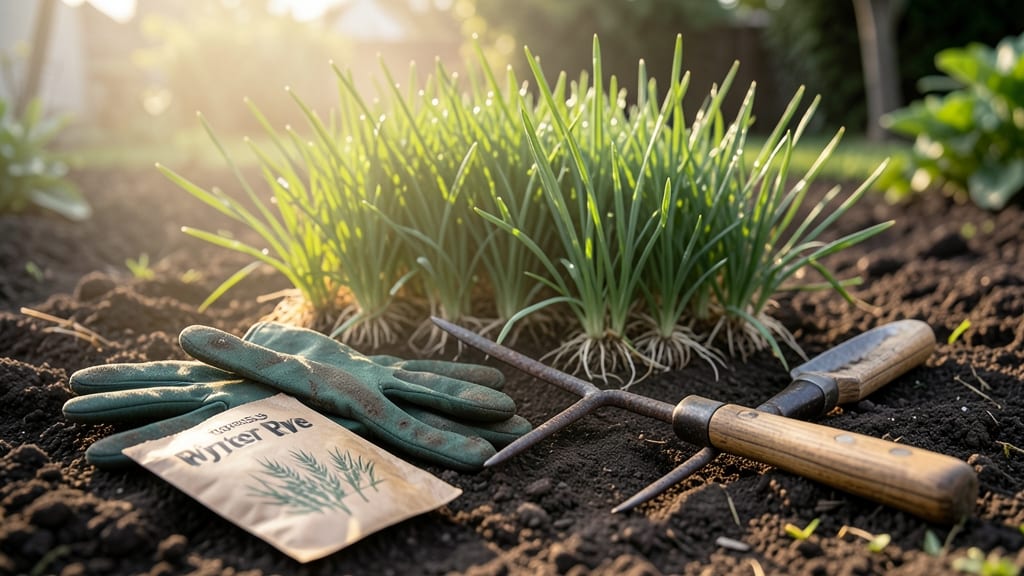
Planting winter grass in Arizona isn’t just about timing—it’s about survival. With scorching summers and unpredictable monsoons, getting the window right means the difference between lush, drought-resistant turf and a failed project. The ideal planting season isn’t just a guess—it’s a calculated strategy to outsmart the heat before it returns.
For Arizona’s USDA Zone 9b, the sweet spot is October through December, when temperatures dip just enough for cool-season grasses like rye or tall fescue to take root. But here’s the catch: your location matters.
Desert lowlands (think Phoenix or Tucson) play by different rules than highland areas like Flagstaff, where cooler nights can extend the growing window. Let’s break down exactly when—and how—to plant for success.
You might think “fall planting” is one-size-fits-all, but Arizona’s microclimates demand precision. Plant too early, and your grass could bolt in the heat; too late, and it won’t establish strong roots before summer’s brutal return.
I’ll walk you through the month-by-month schedule, soil prep secrets, and post-planting care to ensure your winter grass thrives year-round—no matter where you are in the state.
Ready to transform your lawn? By the end, you’ll know not just when to plant, but why it works—and how to adjust for your specific corner of Arizona. Let’s get started.
Arizona winter grass planting timeline: month-by-month breakdown for optimal growth
Arizona’s cool-season grasses like ryegrass and tall fescue thrive when planted at the right time. The ideal window is late summer to early fall, when temperatures drop below 85°F but before winter rains begin. This schedule balances root establishment with dormancy preparation for Arizona’s unpredictable climate.
In low desert areas (Phoenix, Tucson), aim for mid-September to early November. High desert regions (Flagstaff, Prescott) can plant slightly later, up to mid-November, thanks to cooler temperatures. The key is avoiding summer heat stress while ensuring enough time for roots to develop before winter dormancy.
Here’s your month-by-month guide, including soil prep, seeding rates, and watering tips tailored to Arizona’s microclimates:
| Month | Task | Notes |
|---|---|---|
| August | Soil Test & Prep | Test pH (6.0-7.0). Amend with compost if sandy. |
| September | Seed Selection | Choose annual ryegrass (fast germination) or tall fescue (drought-tolerant). |
| October | Planting Window | Seed at 1/4 inch deep. Water lightly daily for 2 weeks. |
| November | Establishment | Reduce watering to every 3-4 days. Fertilize lightly with 10-10-10. |
| December | Dormancy Prep | Mow higher (3-4 inches) to retain moisture. Avoid heavy foot traffic. |
| January | Winter Care | Water only if no rainfall for 2+ weeks. Skip fertilizer. |
For low desert areas, prioritize early October planting to avoid summer heat stress. In high desert regions, you can extend planting to mid-November due to cooler nights. Always check 7-day forecasts—avoid planting if highs exceed 90°F for 3+ days.
Pro tip: Use a soil thermometer to confirm 60-75°F soil temps before seeding. Cooler soils slow germination, while warmer soils risk fungal diseases. In Tucson or Phoenix, aim for late September to catch the tail end of monsoon moisture.
After planting, water deeply 2-3 times weekly for the first month. Switch to morning watering to reduce evaporation and fungus risk. In Flagstaff, you may need snow melt irrigation adjustments—monitor soil moisture closely.
By mid-November, your grass should establish a 3-inch root zone, making it resilient for winter dormancy. In Zone 9b, frost is rare, but light frosts can occur in high desert areas. Mulch with straw if temperatures dip below 32°F.
Remember: Annual ryegrass germinates in 7-14 days, while tall fescue takes 14-21 days. Adjust watering frequency based on seed type and local rainfall. With this schedule, your winter grass will outperform summer-burned Bermuda grass by spring.
Key factors that determine the best planting window in Arizona’s desert climate
Arizona’s diverse climate—from the Sonoran Desert’s scorching lowlands to Flagstaff’s cooler highlands—means no single planting date works everywhere. The low desert (Phoenix/Tucson) has higher temperatures year-round, while high desert areas (above 5,000 ft) experience cooler nights and earlier frosts.
Understanding these microclimates helps you pick the perfect window for your winter grass.
For most of Arizona’s low desert, the ideal planting window is mid-September to early November. This gives seeds 6-8 weeks to germinate before summer heat returns. In higher elevations, you can start as early as late August since cooler temps slow grass growth naturally, reducing stress.
Always check your local frost dates—even in Zone 9b, unexpected cold snaps can damage young seedlings.
Soil temperature is another critical factor. Cool-season grasses like ryegrass and tall fescue need soil temps between 60°F and 75°F for germination.
Use a soil thermometer to test before planting—if temps are above 80°F, wait until evenings cool down. Sandy soils (common in Arizona) dry out faster, so they may need earlier planting to capture fall rains.
Your irrigation system also plays a role.
If you rely on drip irrigation or sprinklers, plant when you can commit to daily watering for the first 3-4 weeks. Sandy soils in the low desert may need twice-daily watering to keep seeds moist, while clay-heavy soils (less common but found in some areas) can hold moisture longer.
Always water early morning to reduce evaporation and fungal risks.
Finally, consider your grass variety. Annual ryegrass germinates faster (7-14 days) and tolerates heat better than tall fescue, making it ideal for late-September plantings in the low desert. Tall fescue, though slower to establish (21-28 days), handles cooler high-desert temps better and stays green longer into spring.
Match your choice to your local climate for best results.
By aligning your planting with these climate-specific factors, you’ll give your winter grass the best shot at establishing deep roots before Arizona’s heat returns.
Pro tip: Test your soil’s pH (6.0–7.0 ideal) and amend with compost or peat moss if needed—this boosts nutrient availability during the critical rooting phase. 🌱