
Companion Plants
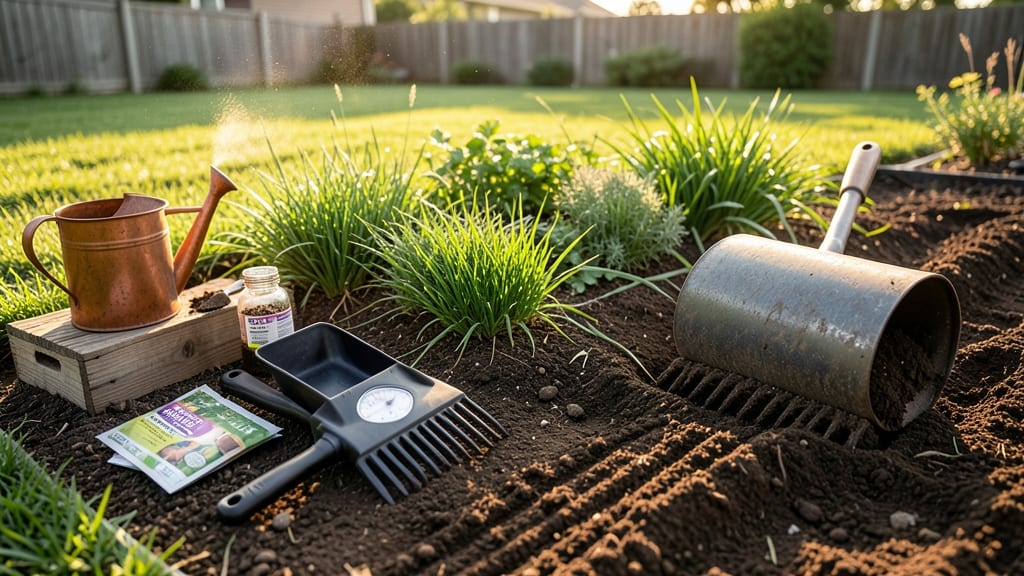
Planting grass seed in Minnesota at the wrong time can leave you staring at a lawn that’s more dirt than 🌱 grass. The key to success?
Timing it 4-6 weeks before the first frost—whether that’s in early spring or early fall—when soil temperatures are just right for strong root growth.
Minnesota’s USDA Zones 3-5 bring unpredictable weather, but the right window makes all the difference. Too early, and frost will kill your seedlings; too late, and summer heat can dry out new grass before it takes hold.
I’ll break down the exact weeks to plant based on your region, so you can avoid common mistakes and get a lawn that’s the envy of the neighborhood.
You’ll also discover how to prep your soil, choose the best grass seed for Minnesota’s climate, and protect your investment from late-season surprises. Let’s get your lawn off to the best possible start—without the guesswork.
Whether you’re a first-time gardener or a seasoned pro, these insights will help you skip the trial-and-error and land on the perfect timing for a thick, green lawn that lasts. Ready to dig in?
Minnesota grass seed planting timeline: exact weeks before frost by region
Minnesota’s USDA Hardiness Zones 3-5 create unique challenges for grass seed planting, where frost dates shift dramatically from the Twin Cities to the Iron Range. To succeed, you’ll need to plant 4-6 weeks before the first frost in fall or after the last frost in spring—but timing varies by region.
Let’s break down the exact windows for Southern MN, Central MN, and Northern MN to ensure your grass establishes strong roots before winter.
For Southern Minnesota (Zones 4-5), like Rochester or Winona, the last spring frost typically arrives between April 15-30, while the first fall frost hits October 15-30. This gives you a 6-8 week window in spring and 8-10 weeks in fall to plant grass seed.
In contrast, Northern Minnesota (Zones 3-4), such as Duluth or International Falls, faces later springs (last frost: May 15-30) and earlier falls (first frost: September 15-October 15), shrinking your planting window to just 4-6 weeks in spring and 6-8 weeks in fall.
Microclimates matter too! Urban areas like the Twin Cities (Zone 4b) often experience 2-3 warmer weeks than rural zones, while lake-effect regions near Lake Superior can have delayed springs and earlier falls.
Always check your local Almanac frost dates or use a soil thermometer to confirm when soil reaches 50°F (10°C)—the ideal temperature for seed germination.
| Region | Last Spring Frost | First Fall Frost | Best Spring Planting Window | Best Fall Planting Window |
|---|---|---|---|---|
| Southern MN (Zones 4-5) | April 15-30 | October 15-30 | April 15-May 15 | August 15-September 15 |
| Central MN (Twin Cities, Zone 4b) | April 20-May 5 | October 5-20 | April 20-May 10 | August 10-September 10 |
| Northern MN (Zones 3-4) | May 15-30 | September 15-October 15 | May 15-June 1 | July 30-August 20 |
If you’re planting in late summer (August), focus on Northern MN where cooler temps help seeds establish before frost. For Southern MN, late August through early September is ideal.
Pro tip: Use a lightweight row cover if planting near the frost cutoff to protect young seedlings from 28°F (-2°C) temperatures, which can stunt growth.
Spring planting in Minnesota requires patience. Wait until soil temperatures consistently stay above 50°F (10°C)—usually late April to early May in most regions. Test with a soil thermometer or the "barefoot test": If you can stand barefoot on the soil for 5 seconds without discomfort, it’s ready.
Early spring planting risks frost damage or seeds washing away during April showers.
For overseeding existing lawns, aim for early fall (August-September) when weeds are less competitive and cool-season grasses like Kentucky bluegrass thrive. This strategy gives grass 6-8 weeks of growth before winter dormancy, resulting in a thicker, greener lawn next spring.
Just avoid planting if daytime temps exceed 85°F (29°C)
Minnesota’s variable weather means flexibility is key. Monitor 7-day forecasts and adjust your planting timeline if unseasonable warmth or cold arrives. For example, a late-May frost in Northern MN might push your planting window into early June, while a warm September in Southern MN could extend fall planting into early October. Always have a backup plan, like storing seed in a cool, dry place if weather delays planting. Remember, root establishment is your top priority. Grass seeds need 4-6 weeks of consistent moisture to develop deep roots before winter. In Minnesota, this means daily watering (1/4 inch) for the first 2 weeks, then twice-weekly watering until roots reach 3-4 inches deep. Use a rain gauge to track moisture—underwatering is a common mistake that leads to patchy lawns. Finally, choose cool-season grasses like Kentucky bluegrass or fine fescue, which thrive in Minnesota’s climate. These varieties germinate in 4-14 days
Signs your Minnesota lawn is ready for grass seed (and when to avoid planting)
Minnesota’s unpredictable weather makes timing critical for grass seed success. Planting too early risks frost damage, while waiting too late can leave your lawn vulnerable to weeds. Look for these key signs before committing to your project.
First, check your soil temperature—it should consistently stay above 50°F (10°C) for at least a week. Use a soil thermometer to avoid guesswork, especially in northern Minnesota, where cooler springs delay planting. Warmer soil speeds up germination and root growth.
Next, assess moisture levels. Your soil should be damp but not soggy—think of a wrung-out sponge. Overly wet soil can suffocate seeds, while dry conditions slow germination. Minnesota’s spring rains often complicate this, so plan for consistent watering after planting.
🌱 Weed competition is another red flag. If weeds like dandelions or crabgrass are thriving, your lawn may lack the nutrients or sunlight needed for new grass. Clear existing weeds before planting to give your seed a fighting chance.
⚠️ Avoid Planting When...
- Frost is forecasted within 3-5 days—seeds won’t survive freezing temps.
- Soil is waterlogged or too dry—both stunt germination.
- Weeds are overtaking your lawn—compete with them first.
- Temperatures exceed 85°F (29°C)—stress seeds and dry out soil quickly.
For fall planting, aim for 4-6 weeks before frost. In Minnesota, this typically means late August to early September, but check your local frost date for precision. Cool fall temps help roots establish without summer’s heat stress.
Finally, watch the weather forecast for at least 7-10 days. Avoid planting if heavy rain or high winds are predicted—seeds need stable conditions to sprout. Use a lightweight straw mulch to protect seeds if rain is forecasted soon after planting.
By following these signs, you’ll maximize germination and minimize wasted effort. Minnesota’s climate rewards patience—don’t rush into planting without confirming these conditions are met! ✂️