
Plants
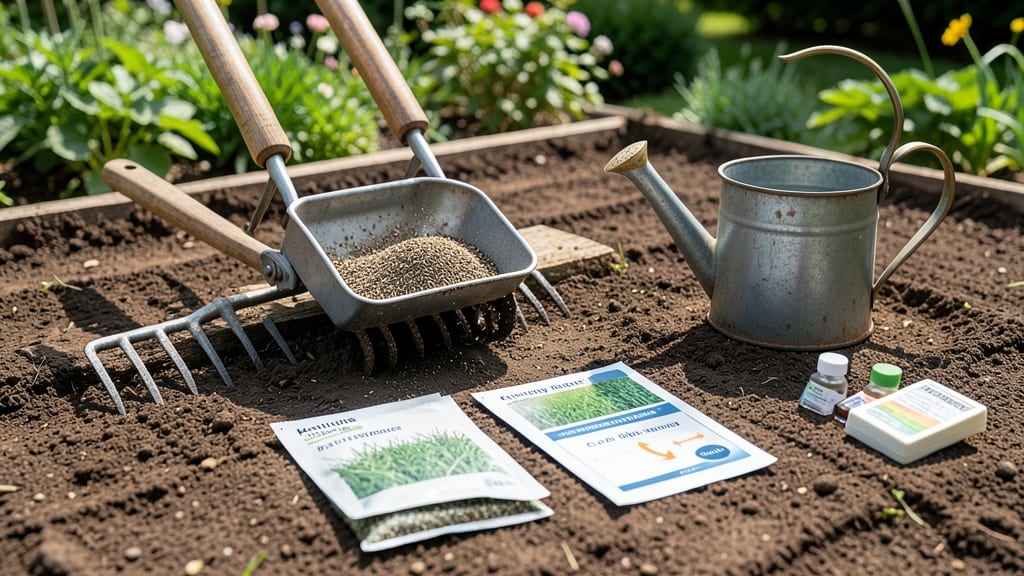
Planting grass seed in Minnesota is like playing a high-stakes game of timing—when is it too late to plant grass seed in Minnesota? Get it right, and you’ll have a lush lawn by next summer; get it wrong, and you’re staring at a patchy, struggling yard for years.
The question isn’t just when to plant, but the answer depends on your zone, soil temps, and whether you’re seeding in spring or fall.
For most of Minnesota’s 3b-5a zones, the last safe window to plant 🌱 Grass (Turfgrass) seed is early September—ideally before the first hard frost, which typically hits by mid-October. But if you’re a late starter, don’t panic: with the right variety and prep, you can still push the envelope.
I’ll break down the exact deadlines, warning signs of missed timing, and how to salvage a late-season lawn.
Cool-season grasses like Kentucky Bluegrass and Fine Fescue thrive when planted in early fall, but soil temperatures below 50°F slow germination to a crawl. Warm-season grasses? Forget it—they’re a non-starter in Minnesota’s short growing season.
What you can do is choose fast-germinating seed blends and protect seedlings with mulch or frost cloth. Let’s dive into the critical deadlines and strategies to avoid a winter of regret.
Whether you’re seeding a new lawn or patching bare spots, knowing these rules could save you hundreds in replacements. I’ll walk you through soil tests, seed selection, and even how to read the weather like a pro—so you can plant with confidence, no matter how late you start.
Minnesota’s last frost dates by region: critical deadlines for grass seed planting
Minnesota’s USDA hardiness zones 3b-5a create dramatic differences in frost timing—planting grass seed in Zone 3 (northwest) requires a tighter window than Zone 5 (southeast).
The last average frost date shifts from May 5 in Zone 3 to May 20 in Zone 5, while the first frost arrives as early as October 5 in northern regions.
Cool-season grasses like Kentucky Bluegrass and Tall Fescue thrive when planted 4-6 weeks before frost, meaning your final window is typically mid-August to early September. Warm-season grasses like Buffalo Grass (rare in MN) need soil temperatures above 65°F, limiting spring plantings to late May in most zones.
Microclimates—like urban heat islands or protected south-facing slopes—can extend your window by 1-2 weeks. For example, Minneapolis (Zone 4b) often sees 3-5 extra frost-free days compared to rural areas 20 miles north.
Here’s how to align your planting with Minnesota’s regional frost data, including 2023-2024 trends showing earlier springs and later falls:
| USDA Zone | Avg. Last Frost | Fall Planting Deadline | Spring Planting Window | Soil Temp. Threshold |
|---|---|---|---|---|
| 3b (Northwest MN) | May 5 ± 5 days | August 20 – September 5 | April 20 – May 10 | 50°F (fall), 60°F (spring) |
| 4a (Central MN) | May 10 ± 5 days | August 25 – September 10 | April 25 – May 15 | 50°F (fall), 60°F (spring) |
| 4b (Twin Cities) | May 15 ± 5 days | August 30 – September 15 | May 1 – May 20 | 50°F (fall), 60°F (spring) |
| 5a (Southeast MN) | May 20 ± 5 days | September 1 – September 20 | May 10 – May 30 | 50°F (fall), 60°F (spring) |
Note: Adjust deadlines 1 week earlier for Zone 3 and 1 week later for Zone 5 based on microclimates.
For 2023-2024, Minnesota saw earlier springs in Zone 5 (last frost 7 days early) but later falls in Zone 3 (first frost 5 days delayed). Use the National Weather Service’s frost prediction tool to refine your timeline annually.
Pro tip: Test your soil temperature with a DIY thermometer (bury a candy thermometer 2 inches deep for 30 minutes). If it reads below 50°F in fall or above 75°F in spring, your grass seed may struggle to germinate.
In Zone 4b (like the Twin Cities), planting after September 15 risks seedling dormancy before roots establish. Meanwhile, Zone 5 gardeners can push to September 20 with protective mulch and fast-germinating varieties like ‘Turf-Type Tall Fescue’.
Warm-season grasses like Zoysia (hardy to Zone 4) can handle late May plantings, but they’ll need consistent summer heat to thrive. Most Minnesota lawns rely on cool-season blends, so align your seed choice with your local frost window.
Remember: Grass seed needs 14-28 days to germinate and 6-12 months to fully establish. Planting too late leaves seedlings vulnerable to early frost, drought stress, or weed competition.
How late can you plant grass seed in Minnesota? Signs your timing is risky
If you're staring at your bare lawn in late September and wondering whether to plant grass seed, you're not alone. Minnesota's unpredictable frost dates can make timing tricky.
The general rule is 4-6 weeks before the first hard frost, but pushing that window too far risks seedling failure or stunted growth.
For most of Minnesota, that means late August to early September is the safest window. However, if you're in Zone 4 (northern MN), you might need to start by mid-August to avoid early frosts.
Waiting until October 1st or later drastically reduces success rates, especially for cool-season grasses like Kentucky Bluegrass or Tall Fescue.
🌱
⚠️ Warning: Late Planting Risks
- Soil too cold: Below 50°F slows germination to a crawl.
- Weed competition: Bare soil invites weeds that outgrow seedlings.
- Frost damage: Seedlings need 4-6 weeks to establish before winter.
- Pest pressure: Late plantings attract voles and birds.
🌡️ Test your soil: Use a DIY thermometer (or a candy thermometer) to check depth—50°F is the minimum for cool-season grass.
One of the first signs you've planted too late is slow or uneven germination. If you don't see tiny green sprouts within 14-21 days, your seeds may have lost viability or the soil is too cold.
Another red flag is yellowing or wilting after the first frost—this means roots didn't establish deeply enough to survive winter.
Even if your seeds sprout, patchy growth or brown spots by November suggest weak seedlings.
In these cases, consider overseeding in early spring (April) instead of waiting for another fall attempt. Fast-germinating varieties like 'Midnight' Kentucky Bluegrass can buy you a few extra weeks, but they won’t outrun Minnesota’s first hard frost.
If you're committed to late planting, focus on soil prep and protection. Rake seeds into loose, weed-free soil, apply a light mulch (like straw), and use a row cover if frost threatens.
But remember: no amount of care can replace the 4-6 week establishment window before winter sets in.
🌿