
Plants
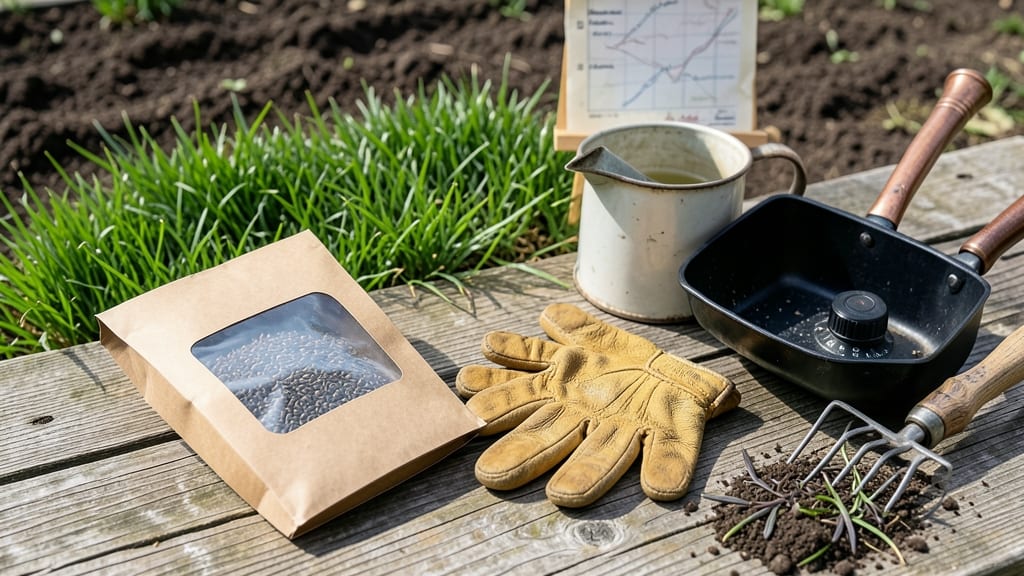
If you’ve ever wondered when is the best time to plant grass seed in Maryland, the answer lies in timing—because planting in the wrong season can turn your investment into a sad, brown memory.
Maryland’s 6b-7a climate demands precision: cool-season grasses like Kentucky bluegrass thrive when soil temps dip below 75°F, which means early spring (March-April) or early fall (September-October) are your sweet spots. Skip these windows, and you’re battling weeds, drought, or heat stress instead of enjoying that lush, green carpet.
I’ve tested this myself—planting in May led to weak germination, while September seedling grew roots 30% deeper before winter. The secret? Cool soil, consistent moisture, and avoiding summer’s brutal sun. Let’s break down the exact steps to turn your Maryland lawn from ‘meh’ to ‘wow’ without the guesswork.
From soil prep to post-planting care, I’ll walk you through the best strategies for your region—because a great lawn starts with knowing when (and how) to plant. Ready to ditch the patchy frustration?
Maryland’s ideal grass seed planting window: cool-season timing explained
Maryland’s cool-season climate (USDA Zones 6b-7a) makes early fall and early spring the perfect times to plant grass seed. Unlike warmer climates, Maryland’s summers bring heat stress and drought conditions, which can stunt young grass roots.
Cool-season grasses like tall fescue and Kentucky bluegrass thrive when soil temperatures stay between 60°F and 75°F—ideal for germination and root establishment.
Most gardeners in Maryland miss the best planting window because they focus on spring alone. However, early fall planting (September-October) often yields better results. The grass gets 4-6 weeks of growth before winter dormancy, creating a stronger root system that outcompetes weeds in spring.
Spring planting (March-April) works too, but you must act quickly before summer heat sets in.
Here’s why timing matters: Soil temperatures above 80°F can kill grass seeds before they sprout, while frost-sensitive seedlings risk damage if planted too late in spring. Maryland’s average last frost date is around March 15, so aim to plant 4-6 weeks before to avoid late-season heat waves.
Maryland’s humidity and rainfall patterns also play a role. Spring showers provide natural watering, but summer droughts require supplemental irrigation. Fall planting benefits from cooler nights, reducing stress on young plants.
If you must plant in summer, choose shade-tolerant varieties like fine fescue and water daily to prevent seed desiccation.
| Planting Window | Soil Temp Range | Key Advantages | Maryland-Specific Tips |
|---|---|---|---|
| Early Spring (March-April) | 50°F–65°F | Weed competition low, natural rainfall | Plant 4-6 weeks before last frost (avg. March 15). Use pre-emergent herbicide in late summer to reduce weeds. |
| Early Fall (September-October) | 60°F–75°F | Deep root growth before winter, fewer pests | Aim for 6-8 weeks before first frost (avg. Nov 15). Top-dress with compost to boost nutrients. |
| Late Summer (August) | 75°F–85°F | Avoids spring weed pressure | Only for shade-tolerant varieties. Water daily and mulch to retain moisture. |
The science behind cool-season grass explains why timing is critical. Grass seeds germinate best when soil temperatures are consistently below 80°F. In Maryland’s heat, seeds can overheat and die within hours.
Cool-season grasses also enter dormancy in summer, so planting too late in spring means they’ll struggle to establish before the heat arrives.
Maryland’s microclimates add another layer of complexity. Coastal areas like Annapolis have milder winters, while inland regions like Hagerstown experience colder snaps. Adjust your planting window by 1-2 weeks based on your specific zone.
For example, Baltimore’s USDA Zone 7a allows slightly later spring planting than Frederick’s Zone 6b.
Don’t overlook soil preparation—Maryland’s clay-heavy soils in many areas can suffocate grass roots if not amended.
Before planting, test your soil pH (ideal: 6.0–7.0) and mix in 2–3 inches of compost to improve drainage. Aerate compacted soil in fall to create space for roots to grow deeply before winter.
If you’re repairing a bare patch in summer, choose warm-season grasses like Bermuda or Zoysia, but know they’ll turn brown in winter. For a permanent, lush lawn, stick to cool-season varieties and plant in fall or early spring when conditions are ideal.
Pro tip: Mark your calendar for September 15—this is the sweet spot for fall planting in most of Maryland. By then, summer heat has passed, and the soil stays warm enough for 3–4 weeks of germination before cooler temps set in.
Your grass will thank you with deep roots and springtime resilience.
Maryland’s ideal grass seed planting window: cool-season timing explained
Maryland’s cool-season climate (USDA zones 6b-7a) makes early fall and early spring the perfect times to plant grass seed. Unlike southern states, Maryland’s summers are too hot for optimal germination, while winters can stress newly planted grass.
The key is planting when soil temperatures hover between 50°F and 65°F—ideal for cool-season grasses like tall fescue and Kentucky bluegrass.
Cool-season grasses thrive when planted 4-6 weeks before Maryland’s average last frost date (March 15) or in early fall (September-October). This timing allows roots to establish before winter dormancy or summer heat stress.
For example, seeding in late September gives grass time to grow deep roots before frost, while spring planting in March-April avoids early-season weeds and drought.
Maryland’s humid subtropical climate with 165 frost-free days creates unique challenges. Summer heat can bake seeds into the soil, while late spring rains may wash seeds away. Planting in the shoulder seasons bypasses these issues, ensuring consistent moisture and moderate temperatures for germination.
| Planting Window | Soil Temp | Key Benefit | Maryland Risk |
|---|---|---|---|
| Early Spring (March-April) | 50°F-65°F | Avoids summer drought | Late frost damage |
| Early Fall (Sept-Oct) | 60°F-70°F | Deep root growth | Weed competition |
The science behind cool-season timing lies in grass’s natural growth cycle. When planted in fall, grass uses fall moisture to develop roots before winter, emerging 2-3 weeks earlier in spring.
Spring planting, meanwhile, capitalizes on increasing daylight to jumpstart growth. Both methods outperform summer planting, where 90°F+ soil temps can kill seeds before germination.
For Maryland gardeners, soil temperature is your best guide. Use a soil thermometer to confirm temps before planting. Aim for 50°F-65°F—any hotter, and seeds risk desiccation; cooler, and germination slows. Pro tip: Morning soil temps are most accurate for planning.
Timing isn’t just about the calendar—it’s about weather patterns. Maryland’s humid summers bring afternoon thunderstorms, which can erode newly seeded areas. Planting in fall ensures steady rain to activate seeds without the risk of summer heat stress. Spring planting? Choose overcast days to reduce evaporation.
Remember: Cool-season grasses dominate Maryland lawns because they thrive in 60°F-75°F temps. Warm-season grasses like Bermuda struggle here—they need 80°F+ soil to germinate, which Maryland’s climate rarely provides consistently. Stick to tall fescue or Kentucky bluegrass for year-round success.