
Plants
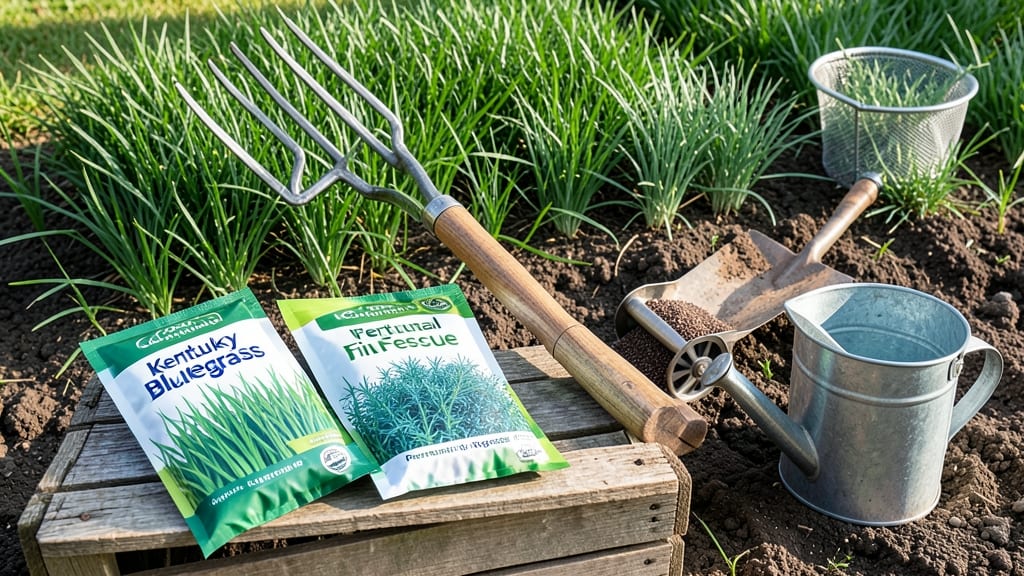
Planting grass seed in Utah isn’t just about throwing seeds on the ground and hoping for the best—it’s about timing it perfectly to beat the desert heat and early frosts.
The wrong window means patchy lawns or wasted money, while the right moment ensures thick, resilient turf that survives Utah’s extreme climate shifts.
Most gardeners assume spring is the only option, but Utah’s two ideal windows—late summer and fall—offer better odds for success. Late August to early September lets seeds escape the worst heat, while October gives them time to root before winter.
I’ll show you exactly when to plant in your specific Utah region, from the Wasatch Front to Southern Utah’s high desert.
Why does this matter? Because Utah’s microclimates can vary by hundreds of degrees—what works in St. George might fail in Salt Lake City. You’ll learn how soil temperature, frost dates, and even elevation affect your planting schedule, plus pro tips to keep weeds and drought from sabotaging your lawn.
Ready to grow a lawn that actually thrives? Let’s dive into the best months, seed types, and care routines that’ll have your Utah yard looking green year-round—without the guesswork.
Utah’s two perfect grass-seeding windows: late summer escape & fall root boost
Utah’s high-desert climate and variable frost dates create two distinct windows for planting grass seed. The first is a late-summer escape—when temperatures dip just enough to avoid seed burnout.
The second is a fall root boost, where cooler air and consistent moisture give seedlings the best chance to establish deep roots before winter.
Most Utah gardeners focus on fall planting (September–October), but the late August to early September window is often overlooked. This period offers warm soil (ideal for germination) and fewer weeds than spring.
However, timing is critical—plant too early, and your seed may bake in the 100°F+ heat common in July. Too late, and frost risks increase.
Here’s the key: Aim for soil temperatures between 60°F–75°F (measured 2–3 inches deep). In Utah’s Wasatch Front, this typically aligns with late August to early September. Southern Utah’s higher elevations (e.g., Moab, Park City) can shift this window 1–2 weeks earlier due to cooler nights.
Why these windows work: Fall planting leverages Utah’s cooler temperatures and increased rainfall (especially in October). Seedlings grow roots first before dormancy, while weeds like crabgrass and cheatgrass retreat. Spring planting, meanwhile, risks dormant weed competition and evaporative stress from Utah’s dry winds.
For cool-season grasses (like Kentucky bluegrass and fine fescue, Utah’s top choices), fall is non-negotiable. Warm-season grasses (e.g., Bermuda) can handle late summer, but they struggle in Utah’s short growing season and are better left to professional sod installation for most homeowners.
| Window | Best For | Soil Temp | Weed Pressure | Water Needs | Frost Risk |
|---|---|---|---|---|---|
| Late August–Early September | Warm-season grasses (Bermuda), overseeding | 60°F–75°F | Low (weeds dormant) | High (daily watering) | Low (late summer) |
| October | Cool-season grasses (Kentucky bluegrass, fescue) | 50°F–65°F | Very low (weeds retreat) | Moderate (2–3x weekly) | Moderate (late October) |
Missed the fall window? Don’t despair—early spring (March–April) is your second chance, but it requires aggressive weed control and consistent moisture. The trade-off? Spring seedlings face higher evaporation rates and competition from crabgrass, which germinates as soon as soil hits 55°F.
For best results, combine spring planting with a pre-emergent herbicide applied in late February.
Pro tip: Use a soil thermometer to monitor temperatures. In Utah’s urban heat islands (like Salt Lake City), sidewalks and driveways can stay 10–15°F warmer than shaded lawn areas. Plant in the coolest part of your yard—usually the north-facing slope or under deciduous trees that haven’t leafed out yet.
Remember, Utah’s dry climate means water is the #1 factor for success. Whether you plant in late summer or fall, prioritize deep, infrequent watering over light sprinkles. Aim for 1–1.5 inches per week (including rainfall) to encourage deep root growth before winter dormancy.
For Wasatch Front gardeners, the October 1–15 window is ideal—cool nights, warm days, and 60% chance of rain. Southern Utah’s lower humidity and higher sun exposure may push your deadline to November 1, but monitor nighttime temperatures closely.
If frost is forecast within 48 hours, delay planting until conditions stabilize.
Utah’s two perfect grass-seeding windows: late summer escape & fall root boost
Utah’s high-desert climate and mountain microclimates create unique challenges for grass seed germination. Unlike humid regions, Utah’s low humidity and intense sunlight demand precise timing to avoid seed desiccation or fungal growth.
The two optimal windows—late summer and fall—offer the best balance of soil warmth, reduced weed competition, and consistent moisture.
Late August to early September is your late-summer escape window. By this time, daytime highs drop below 90°F, reducing heat stress on seedlings. Soil remains warm enough (60–75°F) to encourage rapid germination, while evening dew points rise, providing natural hydration.
This window works best in Southern Utah (e.g., St. George, Moab) where summers linger longer.
🌱
| Factor | Late Summer (Aug–Early Sept) | Fall (October) |
|---|---|---|
| Soil Temp | 60–75°F | 50–65°F |
| Weed Pressure | Moderate (summer weeds) | Low (weeds dormant) |
| Moisture Risk | Low (dry heat) | Moderate (fall rains) |
| Best For | Southern Utah (longer summers) | Northern Utah (cooler temps) |
| Germination Time | 7–10 days | 10–14 days |
October is your fall root boost window, ideal for Northern Utah (e.g., Salt Lake Valley, Ogden). By this time, daytime temps stabilize below 70°F, and nighttime lows drop, reducing evaporation.
The 6–8 weeks before first frost (typically mid-October in Northern Utah) allows seedlings to establish deep roots before winter dormancy.
Both windows avoid Utah’s peak summer drought and winter freeze risks. For high-elevation areas (e.g., Park City, Heber Valley), aim for early September to maximize the growing season. In low-desert regions (e.g., Cedar City), late August is safer to avoid early October heat spikes.
Pro tip: Use a soil thermometer to confirm 60°F+ soil temps before planting—this is your green light for germination. Skip spring planting unless you’re in USDA Zone 7+ (Southern Utah), where warm-season grasses like Bermuda can thrive.
🌿