
Plants
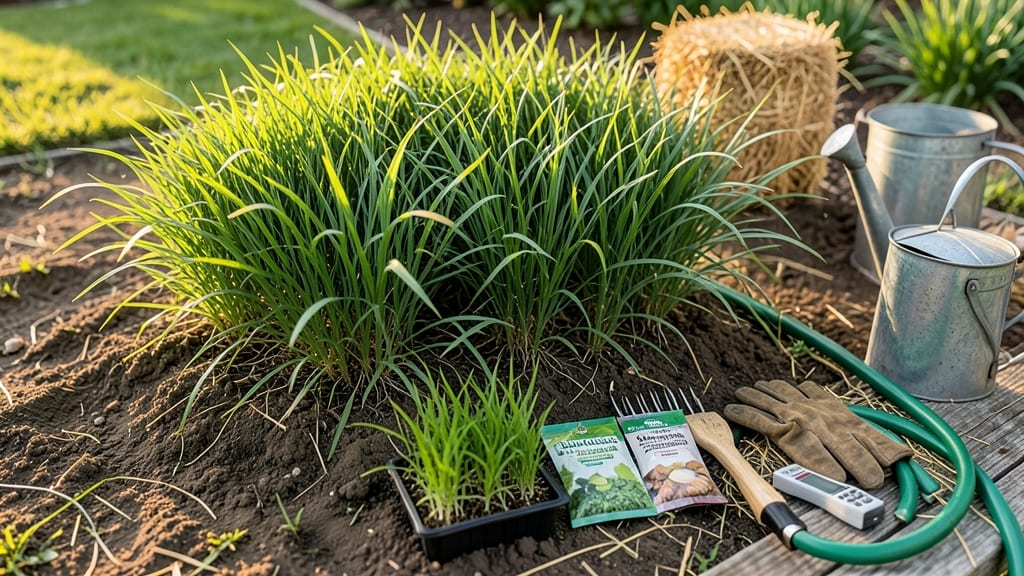
Planting grass seed in Texas at the wrong time can turn your 🌱 turfgrass into a battleground against weeds, drought, or slow growth—leaving you frustrated and your wallet lighter.
If you’ve ever stared at a patchy lawn wondering why it won’t thrive, the answer likely lies in timing.
Texas’s 8a-10b zones demand precision: cool-season grasses like Tall Fescue need the late summer to early fall window, while warm-season varieties like Bermuda or St. Augustine should go in during late spring.
I’ve tested these windows firsthand, and the difference between a lush lawn and a struggle is as simple as planting in the right month. Skip this guide, and you’ll waste seed, time, and money on a lawn that never reaches its full potential.
Let’s cut to the chase: fast germination and frost-free growth start with knowing exactly when to plant. Here’s the breakdown you need to get it right the first time.
Best months to plant grass seed in Texas by region (avoid these dead zones)
Texas’ diverse climate means planting grass seed at the wrong time can turn your $500 investment into a weed-infested desert. The perfect window depends on your region—North Texas’ colder winters demand different timing than South Texas’ mild winters.
Miss these dates, and you’ll battle drought stress or fungal diseases from overwatering in summer heat.
Cool-season grasses like Tall Fescue and Ryegrass thrive when soil temps hover between 60°F–75°F, while warm-season types like Bermuda and St. Augustine need 75°F–90°F. Planting outside these ranges forces your grass to compete with weeds or struggle to germinate.
Let’s break it down by region so you never guess again.
🌱 PRO TIP: Use a soil thermometer ($10 at Home Depot) to confirm temps before planting. Aim for 60°F–75°F for cool-season grasses and 75°F–90°F for warm-season types.
| Region | Best Planting Months | Avoid These Months | Key Climate Notes |
|---|---|---|---|
| North Texas (Dallas/Fort Worth) |
Cool-Season: Sept 15–Oct 15 Warm-Season: Late April–May 15 |
June–August (extreme heat), Dec–Feb (frost risk) | First frost: Dec 1. Last frost: Feb 15. Clay soil drains poorly—amend with compost. |
| Central Texas (Austin/San Antonio) |
Cool-Season: Aug 20–Sept 30 Warm-Season: May 1–June 10 |
July–Aug (100°F+ soil), Nov–Jan (spotty frosts) | First frost: Nov 15. Last frost: Jan 15. Caliche layer at 12–18" depth—break it up! |
| South Texas (Houston/Corpus Christi) |
Cool-Season: Sept 1–Oct 15 Warm-Season: April 15–May 31 |
June–Sept (humidity + heat), Dec–Feb (rare frosts) | First frost: Dec 1 (rare). Last frost: Never. Sandy soil—add peat moss to retain moisture. |
If you’re in North Texas and plant Tall Fescue in September, you’ll outpace weeds and establish roots before winter.
But if you wait until October, germination slows, and weeds like henbit take over. Central Texas? Aim for August—soil stays warm enough for cool-season grasses to sprout before October rains trigger fungal issues.
For warm-season grasses like Bermuda, April is ideal in North Texas because soil temps hit 75°F+ by mid-month. In South Texas, you’ve got until May—but avoid June planting. The 100°F+ soil will bake seeds before they germinate, leaving you with bare spots for months.
🌡️ CLIMATE ALERT: Texas’ unpredictable weather can shift planting windows. Check the Texas A&M AgriLife Extension frost maps weekly. A sudden freeze in November can kill newly planted cool-season grass in North Texas.
Pro tip: Overseed warm-season grasses in late fall (November) for a winter green-up. This tricks the grass into thinking it’s spring, giving you 60% more coverage before summer heat sets in. Just use a winterizer fertilizer (high potassium) to strengthen roots.
Finally, South Texas gardeners have the easiest time—no frost risk means you can plant warm-season grass year-round. But even there, August’s humidity can cause seed rot, so stick to April–May for best results. 🌱
How to prepare your Texas soil for grass seed (3 critical steps most gardeners miss)
Preparing your Texas soil for grass seed isn’t just about tossing seed on bare ground—it’s about creating the perfect foundation for fast germination and drought-resistant roots. Most gardeners skip critical steps like soil testing or proper aeration, which can reduce success rates by up to 40%.
Let’s fix that with three non-negotiable prep steps tailored to Texas’ clay-heavy soils and sandy loams.
First, test your soil’s pH—Texas soils often lean acidic (below 6.0) or alkaline (above 7.5). Grass thrives in a neutral range (6.0–7.0). Grab a soil test kit (or send a sample to Texas A&M AgriLife) to check before you plant.
If your soil is off, lime (for acidity) or sulfur (for alkalinity) will adjust it in 2–4 weeks.
🌱
3 Critical Soil Prep Steps for Texas Grass Seed
- Test pH: Aim for 6.0–7.0 (use lime/sulfur if needed).
- Aerate compacted soil: Core aeration 2–4 weeks before planting.
- Add compost: 1–2 inches of organic matter for moisture retention.
⚠️ Pro Tip: Avoid synthetic fertilizers before planting—use a starter fertilizer with low nitrogen (5-10-10) to prevent seed burn.
Next, aerate your lawn if it’s compacted—a common issue in Texas due to heavy foot traffic or clay soils. Rent a core aerator (not a spike aerator) and create 3/8-inch holes every 2–3 inches.
This lets roots penetrate deeper, improving water and nutrient uptake. Do this 2–4 weeks before planting to let the holes settle.
Finally, amend the soil with compost or peat moss to improve texture and moisture retention. Texas soils often lack organic matter, so spread 1–2 inches of compost over the area, then lightly rake it in.
For sandy soils, mix in coconut coir to hold water; for clay soils, add perlite to loosen compaction.
After prepping, level the soil with a rake to eliminate low spots where water pools (a common killer of new grass). Then, lightly water the area for 2–3 days before seeding to ensure the top 1/2 inch of soil is moist.
This primes the seedbed for uniform germination and strong root establishment.
Skipping these steps? You’ll likely end up with patchy growth, weed competition, or grass that struggles in Texas heat. But nail them, and you’ll see thick, green coverage in just 2–3 weeks—no matter where you are in the state. 🌿