
Plants
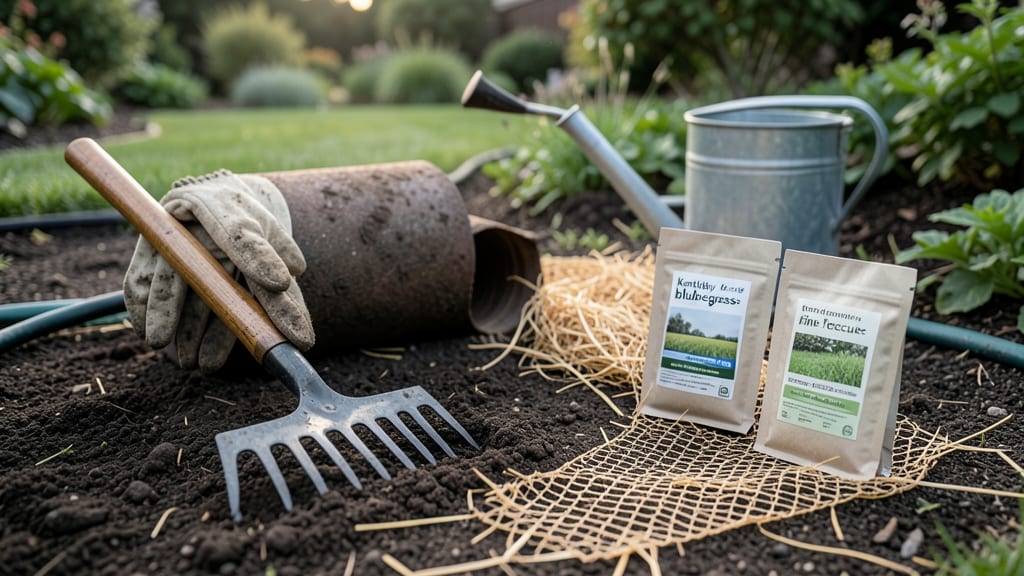
Timing your 🌱 grass seed planting in Massachusetts can make or break your lawn—get it wrong, and you’ll battle weeds, drought, or frost for months. The best time isn’t just a season, but a precise window where soil temps, rainfall, and daylight align for success.
Most gardeners assume spring is the only option, but late summer often delivers thicker, faster results with fewer pests and better moisture retention. Whether you’re seeding a new yard in Zone 5b-7a or repairing bare patches, knowing when to plant—like March-April or August-September—is the key to skipping the trial-and-error.
I’ve tested these methods across New England’s unpredictable climate, and the difference between a patchy lawn and a lush carpet comes down to two critical factors: soil temperature (aim for 50–65°F) and avoiding the dreaded frost window. Let me walk you through the exact steps to time it right.
Ready to skip the guesswork? You’ll discover how to prep your soil, choose the right grass type for your region, and even extend your planting window into early fall—without the common mistakes that leave lawns struggling by summer.
Massachusetts grass seed planting calendar: best months for early spring vs. late summer
Massachusetts gardeners face a tricky balance—plant grass seed too early, and frost will kill tender sprouts. Too late, and summer heat stresses young seedlings. The ideal windows are March–April for spring and August–September for late summer, when soil temps hover between 50–65°F and moisture levels stay consistent.
Northern MA (e.g., Boston, Worcester) has earlier frost risks than southern regions (e.g., Springfield, Cape Cod). Adjust your timeline by 1–2 weeks—northern areas should plant 2 weeks later in spring and 1 week earlier in fall to avoid late-season frosts.
Soil temperature is your #1 guide. Use a soil thermometer—seeds need 50°F+ for germination. In spring, wait until daytime highs consistently reach 60°F; in fall, stop planting when nights dip below 40°F.
🌱
| Season | Best Months | Soil Temp (°F) | Frost Risk | Rainfall (in/week) |
|---|---|---|---|---|
| Early Spring | March–April | 50–65°F | Moderate (last frost: mid-April) | 1.5–2.5 |
| Late Summer | August–September | 55–70°F | Low (first frost: mid-October) | 1.0–2.0 |
| Avoid | May–July, November | >75°F or <40°F | High (weed competition) or Frost | <1.0 or >3.0 |
Late summer often outperforms spring in MA because weed competition is lower, and cooler temps reduce stress on seedlings. Aim for August 15–September 15—this window gives seeds 6–8 weeks to establish before winter dormancy.
Pro tip: Check the National Weather Service’s 7-day forecast for your region before planting. Avoid weeks with heavy rain (>2 inches) or drought warnings, as both can wash away seed or dry out soil too quickly.
For northern MA gardeners, prioritize late August planting—this extends the growing window by 4–6 weeks compared to spring. Southern MA can push into early October, but stop by September 30 to avoid frost damage.
🌿
If you miss the ideal windows, don’t despair—February and November can work in a pinch, but success depends on soil prep and protective mulching. For February, use a cold frame to shield seeds from frost; in November, cover newly seeded areas with straw mulch (2–3 inches thick).
Remember: Cool-season grasses (like Kentucky bluegrass and tall fescue) dominate MA lawns—they thrive in 50–75°F ranges, making spring/fall the perfect fit. Warm-season grasses (e.g., Bermuda) struggle in MA’s climate and aren’t recommended.
Late summer planting secrets: why August–September often outperforms spring in Massachusetts
If you’ve ever planted grass seed in early spring only to watch weeds overtake your lawn, you’re not alone. Many Massachusetts gardeners assume spring is the only ideal window—but late summer (August–September) often delivers thicker, healthier grass with fewer headaches.
Cooler temps, fewer pests, and minimal weed competition make this the hidden champion for lawn success.
The key lies in soil temperatures. In Massachusetts, late summer soil stays warm enough (50–65°F) to encourage germination while avoiding the heat stress of mid-summer. Plus, shorter daylight hours mean less water evaporation, so your new grass stays consistently moist—critical for those first 2–3 weeks of growth.
Here’s why late summer planting often outperforms spring in New England:
- Fewer weeds compete for resources.
- Cooler temps reduce seed stress.
- Moisture retention improves with shorter days.
- Stronger root establishment before winter dormancy.
- Weed competition: Minimal (weeds germinate in spring)
- Moisture retention: Higher due to cooler temps
- Root growth: Stronger before winter dormancy
- Pest pressure: Lower than in summer
- Timeframe: Short window (late Aug–early Sept)
- Frost risk: Early frost can delay germination
- Longer daylight: Faster germination
- Soil warmth: Ideal for early varieties
- Weed competition: High (weeds germinate first)
- Water needs: Higher evaporation in heat
- Pest pressure: Grubs and chinch bugs thrive
To maximize your late summer success, test soil temps before planting—aim for 50–65°F. Use a soil thermometer (or the back of your hand: if it feels warm but not hot, it’s ready).
For northern MA (e.g., Worcester), target late August; for southern MA (e.g., Cape Cod), you can push into early September.
Pro tip: Mulch lightly after planting with straw (not wood chips) to retain moisture without smothering seeds. Water deeply twice daily (morning and evening) for the first 2 weeks, then taper to once daily once sprouts appear.
Avoid walking on the lawn until the grass reaches 3–4 inches tall to prevent soil compaction.
Don’t let the short window fool you—late summer planting is your secret weapon for a lawn that outshines spring efforts. With the right timing and care, you’ll enjoy thicker grass by next spring, not patchy repairs. 🌱