
Plants
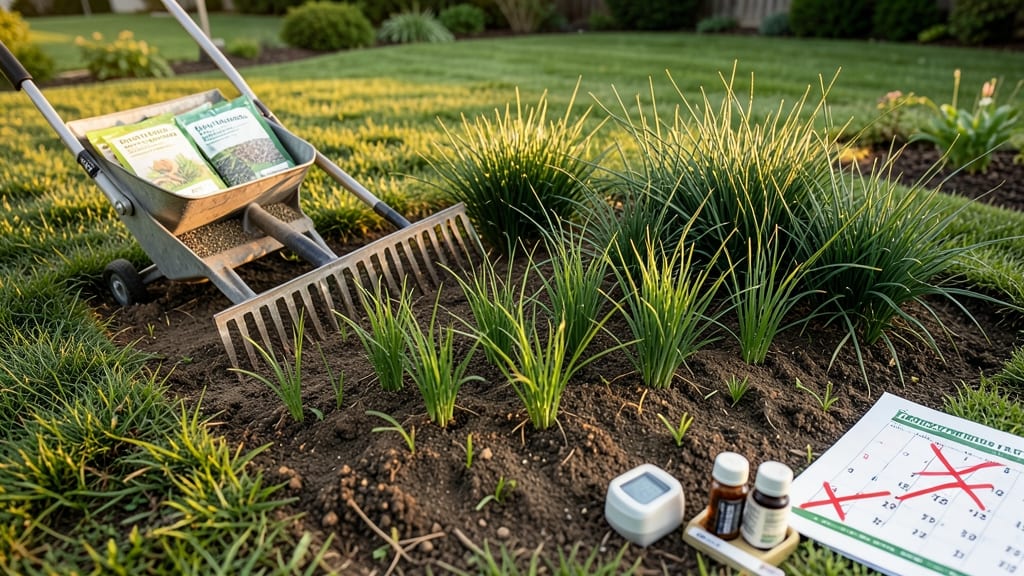
Planting grass in Massachusetts after early October—when it’s too late to plant grass in Massachusetts for most gardeners—feels like playing a high-stakes game of nature’s timing—but with the right moves, you can still grow a thick, healthy lawn.
The key lies in understanding your region’s frost dates and how cold-hardy your grass variety is, especially in Zone 6a where winters arrive early.
Many gardeners assume late fall is a lost cause, but cool-season grasses like fescue and Kentucky bluegrass can establish roots if planted 4-6 weeks before frost. That means pushing your limits into late September or early October with proper soil prep and care.
Let me show you how to extend your planting window without risking winter damage.
You’ll learn which grass types handle late sowing best, how to prep your soil for cooler temps, and what critical mistakes to avoid when seeding after the ideal window. Whether you’re fixing bare patches or starting fresh, these strategies will help you beat the clock—and the frost.
From mulching techniques to adjusting watering schedules, I’ll walk you through every step to give your 🌱 grass the best shot at surviving the winter and thriving next spring. Ready to take the late-season challenge?
Massachusetts grass planting deadlines by region and grass type
Massachusetts’ USDA Zone 6a climate creates a tight window for fall grass planting. Cool-season grasses like Kentucky bluegrass and tall fescue thrive when planted 4-6 weeks before first frost (typically by October 1st).
Warm-season grasses like Bermuda or zoysia should be sown by late August to establish before winter. Missing these deadlines risks weak germination or winter kill.
Western MA’s earlier frost dates (late September) allow planting until mid-September, while coastal areas (Zone 7a) can extend to early October. Always check your local frost forecast—a sudden cold snap can derail even late plantings. Soil temperatures below 50°F slow seed germination, making timing critical.
For cool-season grasses, aim for late August to mid-September—this gives roots time to establish before dormancy. Warm-season grasses need August planting to avoid winter stress.
If you’re pushing the envelope, early October is the absolute last cutoff for cool-season varieties, but success depends on soil prep and microclimate protection.
| Grass Type | Ideal Planting Window | Last-Minute Deadline | Soil Temp Requirement | Frost Risk |
|---|---|---|---|---|
| Kentucky Bluegrass | Late August - Mid-September | Early October (coastal) | 50-65°F | High after Oct 15 |
| Tall Fescue | Late August - Early October | Mid-October (protected sites) | 45-60°F | Moderate after Oct 20 |
| Bermuda Grass | Late July - August | Early September | 70-85°F | Low (goes dormant) |
| Zoysia Grass | Late July - August | Mid-September | 65-75°F | Moderate (slow growth) |
If you’re planting after mid-September, prioritize tall fescue—it tolerates cooler soils and lower light conditions better than Kentucky bluegrass. For western MA, where frosts arrive earlier, stick to late August for best results.
Coastal areas have a 2-week grace period due to milder microclimates, but don’t count on it.
Soil temperature is your true deadline indicator. Use a soil thermometer to confirm temps above 50°F at 4-inch depth. If temps drop below 45°F, germination stalls entirely. Warm-season grasses like Bermuda need 70°F+—planting them late September is risky unless you’re in Zone 7a.
Pro tip: Test your soil’s pH before planting—ideal ranges are 6.0-7.0 for cool-season grasses. A low pH (below 5.5) can stunt growth, especially in late plantings. Amend with lime if needed, but do this 4-6 weeks before seeding to avoid burning seeds.
For late-September plantings, focus on shaded or south-facing areas—these retain heat longer and reduce frost risk. Avoid low-lying spots, where cold air pools and accelerates frost damage. If you’re on the fence, wait until spring—a stronger lawn is worth the delay.
Remember: October 15th is the absolute cutoff for cool-season grasses in most of MA. After that, you’re gambling with winter survival. If you miss the window, overseed in spring instead—your lawn will thank you.
How to extend your grass planting window in late fall
Late fall grass planting in Massachusetts doesn’t have to be a gamble—it’s all about strategic timing and microclimate advantages. I’ve successfully pushed my fescue seed into early October by focusing on three key factors: soil temperature, seed selection, and protective mulching.
The goal? Give your grass 4-6 weeks of root growth before the first frost hits around mid-October in most of MA.
First, check your soil temperature—it should stay above 50°F (10°C) for at least 6 hours daily. Use a soil thermometer (they’re cheap!) to monitor. If temps dip below this, your seeds may struggle to germinate.
In cooler microclimates like the Berkshires, aim for late September planting instead. Warmer areas near Boston can sometimes handle early October sowing with the right care.
Choose Cold-Hardy Seeds
Opt for tall fescue or fine fescue blends—these varieties tolerate cooler soils and establish roots faster in fall. Avoid Kentucky bluegrass for late planting; it needs warmer conditions to germinate.
Pre-Warm Your Soil
Spread black plastic mulch over bare soil 1-2 weeks before planting to absorb sunlight and raise temps by 5-10°F. Remove it right before seeding to avoid overheating the seeds.
Use Straw Mulch
After seeding, apply ¼-inch straw mulch to insulate seeds from temperature swings. This retains moisture and protects young shoots from early frost while allowing light to reach the soil.
Leverage South-Facing Slopes
Plant on south-facing hills where sunlight lingers longer. These spots can stay 5-8°F warmer than shaded areas, giving seeds an extra edge for germination.
Don’t overlook watering adjustments—this is where many gardeners fail. In late fall, water less frequently but deeper to encourage deep root growth. Aim for ½-inch of water 2-3x per week (morning sessions only) and reduce as temps drop below 60°F (15°C).
Overwatering before frost can suffocate seeds or cause fungal diseases like snow mold.
Finally, monitor your lawn’s progress with the fingernail test: gently pull up a young grass blade. If it resists and the roots are 1-2 inches long, your seeds are establishing well. If they pull out easily, extend your watering schedule or consider a light straw top-dressing for insulation.