
Plants
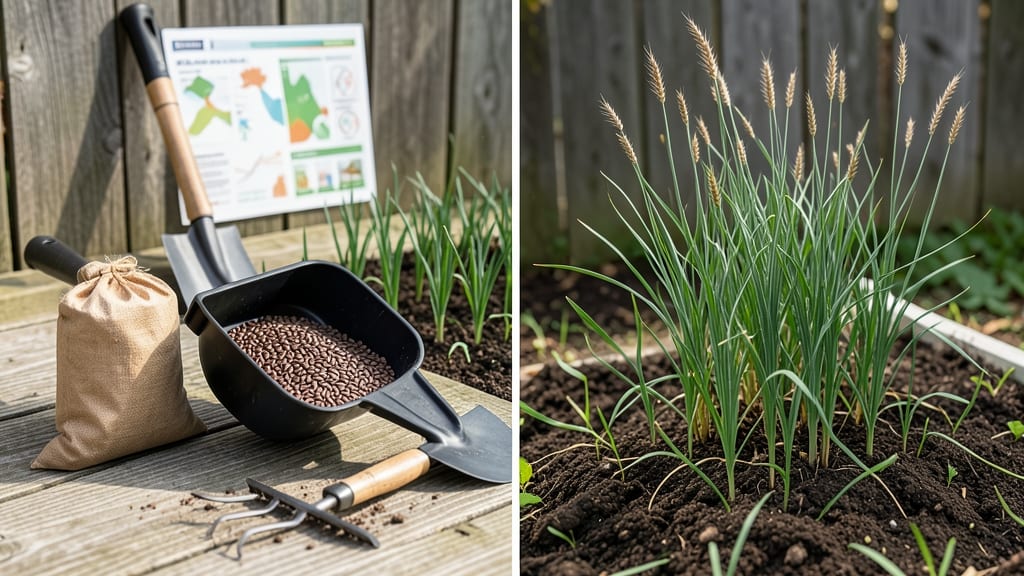
Planting winter rye 🌾 in Texas isn’t just about dropping seeds—it’s about outsmarting the heat and frost to lock in healthy soil all season long.
If you wait too late, your cover crop won’t establish before winter; plant too early, and summer’s scorching temps will stress it out before it even starts. The perfect window is late summer (August–October), when soil cools just enough to give winter rye the strong start it needs.
Why does timing matter so much? Winter rye is a game-changer for Texas gardeners, whether you’re using it to prevent erosion, boost organic matter, or grow forage.
But in zones 8a-10b, where first frosts hit as early as November in the Panhandle or as late as December in South Texas, getting it right means the difference between a thriving cover crop and a failed experiment.
Here’s the secret: aim for 60–90 days before your first frost date—typically by mid-September in North Texas or early October in the Hill Country. This gives winter rye enough time to root deeply before the cold sets in, ensuring it survives winter and returns nutrients to your soil in spring.
Ready to plant? I’ll walk you through the exact steps—from soil prep to frost-proofing your crop—so you can turn your Texas land into a self-sustaining ecosystem. Let’s get growing.
Best planting window for winter rye in Texas: late summer timing explained
Winter rye (Secale cereale) is a powerhouse cover crop for Texas gardeners, offering soil protection, weed suppression, and nutrient recycling—but only if planted at the right time.
In Texas, the ideal window spans from mid-August to mid-September, when soil temperatures drop below 80°F but before the first frost. This timing ensures robust root establishment while avoiding summer heat stress.
Why this window? Winter rye thrives in cool-season conditions but struggles when soil temps exceed 85°F. Planting too early (before August) risks heat stress and poor germination, while planting too late (after October) may leave your crop vulnerable to early freezes before it establishes.
Texas’ diverse climate zones—from North Texas (Zone 8a) to South Texas (Zone 9b-10b)—also shift the optimal timing slightly.
For North Texas (e.g., Dallas, Fort Worth), aim for August 15–September 15, targeting a 4–6 week lead time before the average first frost (mid-November).
In Central Texas (Austin, San Antonio), extend the window to September 1–October 1, accounting for later frosts (December 15). South Texas (Houston, Corpus Christi) can push planting to late September–early October, thanks to milder winters.
Here’s the critical rule: Plant winter rye when soil temperatures are consistently below 80°F (measured 2 inches deep) but at least 60°F. Use a soil thermometer to monitor—this is your best tool for precision.
If you’re in a drought-prone area, prioritize planting after a soaking rain to ensure moisture retention during establishment.
Adjust your timing if you’re planting for specific purposes. For forage or grazing, aim for earlier planting (August) to maximize biomass before winter. If using winter rye as a green manure (tilled into soil), plant slightly later (September) to allow root development without excessive topgrowth.
Pro tip: In East Texas, where humidity is higher, plant on dry days to reduce fungal risks like crown rot.
What if you miss the window? Don’t panic—you can still plant winter rye in December–January, though growth will be slower. This is ideal for late-season cover crops or areas with mild winters.
Just reduce your seed rate by 20–30% to account for slower germination. For example, if your usual rate is 30 lbs/acre, drop to 20–25 lbs/acre for winter plantings.
Monitor your local frost dates using the Texas A&M AgriLife Extension frost prediction maps. These maps provide 10-year averages for your specific county—critical for fine-tuning your schedule.
For instance, Lubbock (Zone 8a) has an average first frost of November 15, while Brownsville (Zone 9b) rarely sees frost before January 15. Use these dates to calculate your 6-week buffer for planting.
Once planted, winter rye will overwinter and resume growth in spring. If you’re using it as a cover crop, terminate growth in March–April by mowing or tilling before it bolts (sends up seed stalks).
This prevents seed spread and ensures nutrients return to the soil. For grazing, hold off until late winter when regrowth begins.
Remember: Timing is your secret weapon for a thriving winter rye crop in Texas. Get it right, and you’ll enjoy lush green cover, reduced erosion, and healthier soil come spring—without the guesswork. Start with your soil thermometer, check your local frost dates, and plant with confidence! 🌾
Best planting window for winter rye in Texas: late summer timing explained
Winter rye (Secale cereale) is a frost-resistant cover crop that thrives in Texas’ cooler months, but getting the planting window right is critical. Aim for late summer to early fall—specifically, mid-August through September—when soil temperatures drop below 80°F but before the first frost hits.
This timing ensures strong root establishment before winter sets in.
Texas spans USDA zones 8a–10b, so your exact window depends on your region. In North Texas (zones 8a–8b), plant by mid-September to avoid early freezes. In Central and South Texas (zones 9a–10b), you have until early October before frost risks increase.
Always check your local frost dates—North Texas averages its first frost around November 15, while South Texas may wait until December 15.
🌾 Winter Rye Planting Timeline for Texas
| Region | Ideal Planting Window | Soil Temp Threshold | First Frost Risk |
|---|---|---|---|
| North Texas (8a–8b) | Mid-August–Mid-September | Below 80°F | November 15 |
| Central Texas (8b–9a) | Late August–Early October | Below 80°F | December 1 |
| South Texas (9b–10b) | Early August–Early October | Below 85°F | December 15 |
If you miss the fall window, don’t worry—winter rye can also be planted in late winter (December–January) for a spring cover crop. However, this approach is less common in Texas due to our mild winters.
For best results, prioritize the late summer/early fall timing to maximize growth before cold weather arrives.
Pro tip: Use a soil thermometer to confirm temperatures are below 80°F before planting. Winter rye germinates best in cool soil (60–75°F) and can handle light frosts once established. If you plant too early in summer heat, seeds may struggle to germinate or bolt prematurely.
After planting, winter rye will establish roots quickly, outcompeting weeds and improving soil structure. Just water lightly (¼ inch weekly) until germination, then reduce to bi-weekly watering once established. With the right timing, your winter rye will provide year-round soil protection and a nutrient boost for your spring garden.
For extra insurance, consider a late-September planting if your area has unpredictable frost dates. This gives the crop enough time to grow before winter sets in—without risking summer heat stress. Happy planting! 🌱