
Plants
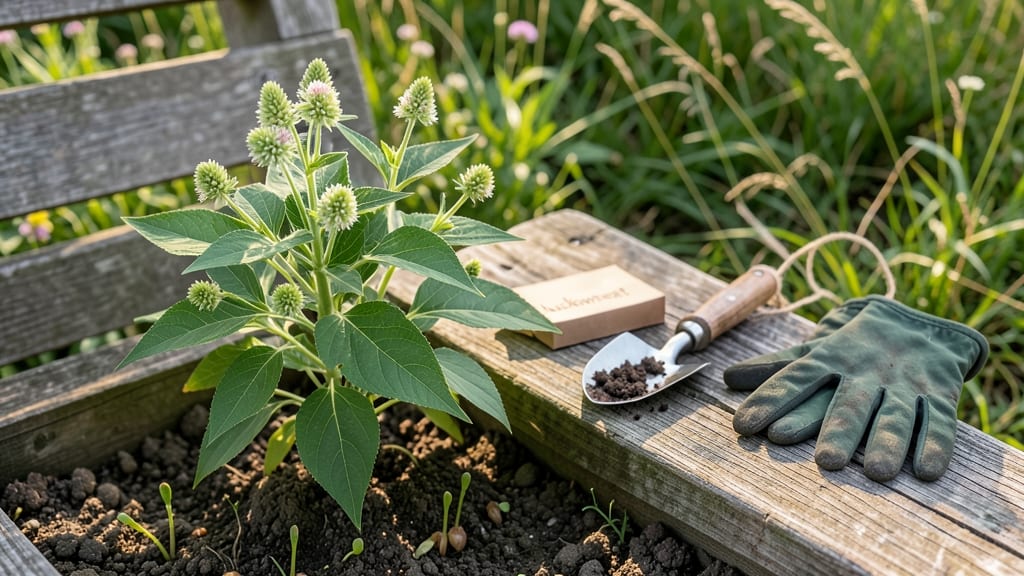
Planting buckwheat in Michigan isn't just about timing—it's about unlocking its superpowers as a fast-growing cover crop that fixes nitrogen and chokes out weeds. But get the schedule wrong, and you'll either lose it to frost or miss its peak benefits entirely.
The key lies in those golden 3 months between late April and early September, where soil temperatures and daylight align perfectly for this resilient 🌾.
I've seen gardeners in zones 5b-6b struggle when they plant too early, only to watch their buckwheat bolt from sudden warmth or too late, leaving them with stunted growth. The secret?
Wait until after your last frost—typically mid-May—and when soil hits at least 50°F, giving it the head start it craves. This timing ensures you'll harvest those tender greens or seed heads between August and October, just as they peak.
What makes Michigan buckwheat planting unique is the balance between summer heat and early fall frosts. Plant in May or June for maximum biomass, or stretch it to July for grain production—both strategies work if you account for your specific microclimate.
Whether you're in the Upper Peninsula or southern Michigan, the right window means the difference between a thriving cover crop and a disappointing flop.
Ready to transform your soil? I'll walk you through the exact planting calendar, variety choices, and pro tips to make buckwheat your most reliable summer ally—no guesswork required.
Best planting windows for buckwheat in Michigan’s climate zones
Michigan’s diverse climate—from the Upper Peninsula’s cooler temperatures to the Lower Peninsula’s warmer southern regions—means buckwheat planting dates vary by 500 miles and 10°F.
The key is aligning your schedule with your USDA Zone (5b-6b) and last frost date, which typically falls between mid-April (southern MI) and late May (northern UP). For maximum success, aim to plant buckwheat 2-4 weeks after your last frost when soil temperatures hit 50°F (10°C).
Buckwheat is a fast-growing annual that thrives in short-season gardens, making it perfect for Michigan’s 150-180 frost-free days. Unlike cool-season crops, it cannot tolerate frost, so early planting risks are high.
However, its 45-60 day maturity lets you squeeze in two harvests in some regions if planted in early June and late July. Let’s break down the optimal windows by Michigan’s microclimates to avoid wasted seeds and missed opportunities.
🌱 Visual Guide: Michigan Buckwheat Planting Zones
| Region | Last Frost Date | Ideal Planting Window | Soil Temp Requirement | Notes |
|---|---|---|---|---|
| Southern MI (Zone 6b) | Mid-April | Late April - Early June | 50°F (10°C) | Can plant twice: early June + late July for fall harvest. |
| Central MI (Zone 5b-6a) | Late April - Early May | Late May - Early July | 50°F (10°C) | Focus on one strong planting in early June for best yields. |
| Northern MI/UP (Zone 5b) | Late May | Early June - Mid-July | 55°F (13°C) for faster germination | Prioritize early-maturing varieties like ‘Manchuria’ to avoid frost. |
For direct sowing (the preferred method for buckwheat), scatter seeds ½ inch deep and 1 inch apart in full sun after warming the soil.
If transplanting (less common due to buckwheat’s delicate roots), use 4-inch pots and harden off seedlings for 7-10 days before setting them out. Avoid transplanting after mid-July—buckwheat struggles to establish roots before Michigan’s first frost in October.
Pro Tip: Use a soil thermometer to confirm readiness. Buckwheat seeds won’t germinate below 50°F, and cooler soils slow growth. In northern Michigan, wait until late May even if frost risk seems low—cold snaps happen, and buckwheat won’t bounce back like tomatoes or peppers. I’ve seen entire beds of buckwheat wilt overnight after a 40°F dip in June!
Another critical factor is weed competition. Buckwheat grows fast, but weeds like lambsquarters and chickweed will outcompete it if planted too late.
Aim to suppress weeds first with a pre-emergent herbicide (like corn gluten meal) 2 weeks before planting, or hand-pull weeds weekly until buckwheat reaches 6 inches tall. Once established, its dense canopy will shade out most weeds naturally.
🌡️ Heat Tolerance Matters Too: While buckwheat loves full sun, it bolts quickly in 90°F+ temperatures, reducing grain quality. In southern Michigan, plant early June for grain production or late July for biomass mulch before fall. In northern regions, focus on June plantings—any later, and you’ll miss the 45-day window before frost.
For Michigan gardeners, the sweet spot is late May to early July. This aligns with:
- Peak soil warmth (60-75°F)
- Longest daylight hours (15+ hours)
- Weed pressure before buckwheat outcompetes them
- Avoiding late-summer heat stress that reduces yields
📅 Mark Your Calendar: Use Michigan State University’s Frost Date Calculator ([link](https://www.canr.msu.edu)) to pinpoint your exact last frost date. Then, count back 2-4 weeks for your buckwheat planting window. Pro growers in Traverse City swear by June 1st as their magic date, while Detroit gardeners often plant April 30th and July 15th for double harvests.
Best planting windows for buckwheat in Michigan’s climate zones
Michigan’s diverse climate zones (USDA 5b-6b) create distinct planting windows for buckwheat. In the Lower Peninsula, where last frosts typically arrive by mid-May, aim to sow seeds by late April to early June for optimal growth.
Meanwhile, the Upper Peninsula often experiences later frosts, delaying ideal planting until early to mid-May.
Buckwheat thrives in warm soil temperatures (50°F/10°C+), making early spring sowings risky. Wait until soil warms to 55°F (13°C)—usually late May in northern regions—to ensure vigorous germination. For fall planting, seed by late July to early August to allow 45-60 days of growth before frost.
Direct sowing is preferred over transplanting, as buckwheat’s delicate root system doesn’t handle disturbance well. Plant seeds ½ inch deep and 1 inch apart in rows spaced 12-18 inches apart for optimal sunlight exposure.
Here’s how Michigan’s microclimates affect planting:
| Region | Last Frost Date | Ideal Planting Window | Soil Temp Requirement | Key Consideration |
|---|---|---|---|---|
| Lower Peninsula (South) | Mid-April to early May | Late April–June | 50°F+ (10°C+) | Longer growing season; prioritize early June for grain production. |
| Lower Peninsula (North) | Late April–mid-May | Late May–July | 55°F+ (13°C+) | Cooler soils delay planting; focus on weed suppression over grain. |
| Upper Peninsula | Late May–early June | Early June–July | 60°F+ (16°C+) | Shortest season; plant late June for fall biomass. |
For grain production, prioritize May–June plantings to ensure seeds mature before frost. In contrast, late July–August sowings maximize biomass for mulch, suppressing weeds until spring. Always check your local MSU Extension frost dates for precision adjustments.
Buckwheat’s fast growth cycle (45–60 days) makes it ideal for Michigan’s short season. Even in Zone 5b, you can fit two plantings: one in early summer and another in late summer. Just ensure at least 60 days remain before your area’s first frost.
Pro tip: Use a soil thermometer to confirm readiness—buckwheat won’t germinate well in cold soils. Pair this with a frost-free date calculator from the Michigan State University Garden Hotline for foolproof timing.