
Plants
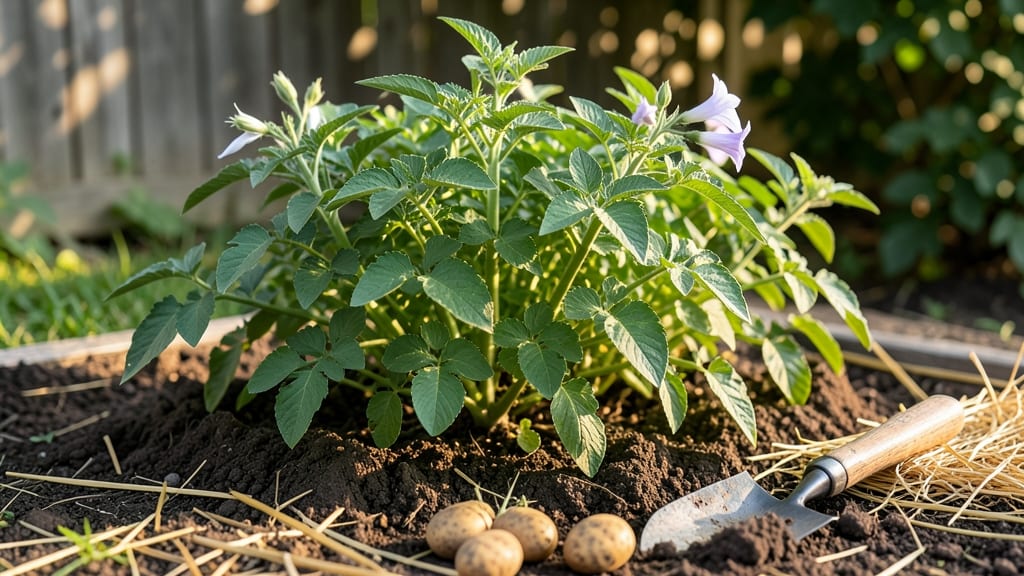
Planting potatoes in North Carolina at the wrong time means risking frost damage or missing your harvest window—both mistakes that can leave your garden empty-handed.
The ideal window opens in early spring, but the exact timing depends on your variety and chill-hour needs, which vary across the state's 7a-8b zones.
Most gardeners in North Carolina start planting 🥔 between February and March, once soil temperatures hit 45°F and frost danger passes. However, early varieties can go in as soon as January if you're in the warmer Coastal Plain, while mountainous regions might wait until April.
Getting this right ensures your potatoes grow strong and avoid common pitfalls like blight or stunted growth.
I’ll break down the best planting dates for your specific variety, regional adjustments for Piedmont vs. Coastal areas, and pro tips to maximize your yield. Whether you're growing Yukon Golds or Red LaSodas, this guide keeps your potatoes on track for a mid-to-late summer harvest.
Ready to skip the guesswork? Let’s dive into the exact planting schedule that works for North Carolina’s climate—plus a simple checklist to keep you organized from seed to harvest.
North Carolina potato planting dates by chill-hour requirements
North Carolina’s chill-hour zones (ranging from 4,000 to 6,000 hours) and last frost dates (typically mid-March in the Piedmont and late March in coastal areas) dictate the best time to plant potatoes.
Early varieties need fewer chill hours, while late varieties thrive with more. The key is aligning your seed potato variety with your region’s frost-free window and chill accumulation.
For most of North Carolina, February to early March is the ideal planting window. However, if you’re in the Coastal Plain (like Wilmington), you can start as early as January under row covers.
In the Mountains (like Asheville), wait until late March to avoid late frosts. Always plant 2-4 weeks before your last frost date for best results.
Soil temperature is just as critical as air temperature. Potatoes grow best when soil reaches 45°F (7°C). Use a soil thermometer to check—cold soil slows sprouting and increases disease risk.
In Zone 7a (western NC), aim for planting by March 1st, while Zone 8b (coastal areas) can start as early as February 15th.
Here’s how to match your potato variety to North Carolina’s chill-hour zones and frost dates for optimal growth:
| Variety Type | Chill-Hour Needs | Best Planting Window (NC) | Frost Risk | Harvest Window |
|---|---|---|---|---|
| Early (e.g., 'Yukon Gold') | 4,000–5,000 hours | Late Feb–Early Mar | Low (if covered) | June–Early July |
| Mid-Season (e.g., 'Kennebec') | 5,000–5,500 hours | Early–Mid Mar | Moderate (avoid late frosts) | July–Early Aug |
| Late (e.g., 'Red LaSoda') | 5,500–6,000 hours | Mid–Late Mar | High (plant after last frost) | Aug–Sept |
🌱 Pro Tip: Chit your seed potatoes indoors 4–6 weeks before planting to jumpstart growth.
Regional adjustments are key. In the Piedmont (Raleigh, Greensboro), aim for March 1st planting. Coastal areas like Wilmington can start 2 weeks earlier thanks to milder winters. The Mountains (Boone, Asheville) should wait until late March to avoid late spring frosts, which can damage young plants.
If you’re unsure about your last frost date, check the NC State Extension’s frost calendar or use a frost-free date map for your county. For example, Charlotte typically sees its last frost around March 15th, while Fayetteville averages March 10th.
Planting too early in frost-prone areas can stunt your crop or invite disease.
For early harvests, plant early varieties like 'Red Norland' in February under row covers or in a greenhouse. This lets you enjoy new potatoes as early as June.
Conversely, late varieties like 'Russet Burbank' planted in late March will store longer and yield larger tubers by August.
Always plant seed potatoes 4 inches deep and 12 inches apart in rows spaced 30 inches apart. This spacing ensures proper airflow, reducing blight and scab risks. After sprouts emerge, mound soil around the stems (called hilling) to encourage tuber formation and prevent greening.
Monitor your garden closely in April, when frost risk drops but soil moisture can fluctuate. Mulch with straw or grass clippings to retain moisture and regulate soil temperature. This is especially critical in Zone 7a, where rapid temperature swings are common.
By aligning your potato variety with North Carolina’s chill-hour zones and frost dates, you’ll maximize yields and avoid common pitfalls like frost damage or late-season blight. Start with the right timing, and you’ll be digging up golden, disease-free potatoes by summer’s end! 🥔
Best potato varieties for North Carolina gardens and their ideal planting times
North Carolina’s diverse climate means not all potato varieties thrive equally. Some need cooler temperatures to develop properly, while others handle heat better. Choosing the right variety ensures a bountiful harvest. Here are the top 5 varieties that perform best in NC gardens, along with their ideal planting windows.
For early harvests, opt for cold-tolerant varieties like ‘Red Norland’, which matures in just 70 days. Plant these in late February to early March when soil temperatures reach 45°F. Their disease resistance makes them perfect for NC’s humid springs.
Mid-season varieties like ‘Yukon Gold’ are my go-to for their buttery texture and versatility. Plant these in mid-March to early April for a harvest in 90–100 days. They handle NC’s variable spring weather well and produce high yields.
Late-season varieties like ‘Kennebec’ are ideal for longer growing seasons in NC’s Piedmont region. Plant these in early April for a harvest in 110–120 days. Their thick skins resist bruising, making them great for storage.
Heat-tolerant varieties like ‘Sweet Potato’ (yes, they’re technically a root vegetable!) thrive in NC’s hot summers. Plant slips in late April to early May for a harvest in 90–100 days. They’re perfect for Coastal Plain areas where summers can be intense.
For organic gardeners, ‘Red LaSoda’ is a fantastic choice. This heirloom variety is blight-resistant and adapts well to NC’s humid conditions. Plant it in mid-March for a harvest in 85–95 days. Its smooth skin and rich flavor make it a favorite at farmers' markets.
Potato Varieties for North Carolina
‘Red Norland’
Pros: Early harvest, disease-resistant, great for storage.
Cons: Lower yield in heat.
Planting Time: Late Feb–Early Mar
‘Yukon Gold’
Pros: Buttery texture, high yield, versatile.
Cons: Needs consistent moisture.
Planting Time: Mid-Mar–Early Apr
‘Kennebec’
Pros: Thick skins, long storage life.
Cons: Needs cooler temps to thrive.
Planting Time: Early Apr
‘Sweet Potato’
Pros: Heat-tolerant, great for Coastal Plain.
Cons: Not a true potato.
Planting Time: Late Apr–Early May
‘Red LaSoda’
Pros: Blight-resistant, heirloom flavor.
Cons: Smaller tubers.
Planting Time: Mid-Mar
When selecting varieties, consider your local microclimate. Coastal areas can plant later due to milder winters, while the Piedmont region may need earlier starts to avoid summer heat stress. Always check last frost dates for your specific county using the NC State Extension’s frost calculator.
Pro tip: Pre-sprout your seed potatoes indoors (chitting) 4–6 weeks before planting. This gives you a head start and ensures faster germination once soil temps warm up. Just place them in a cool, bright spot and watch those sprouts emerge!