
Plants
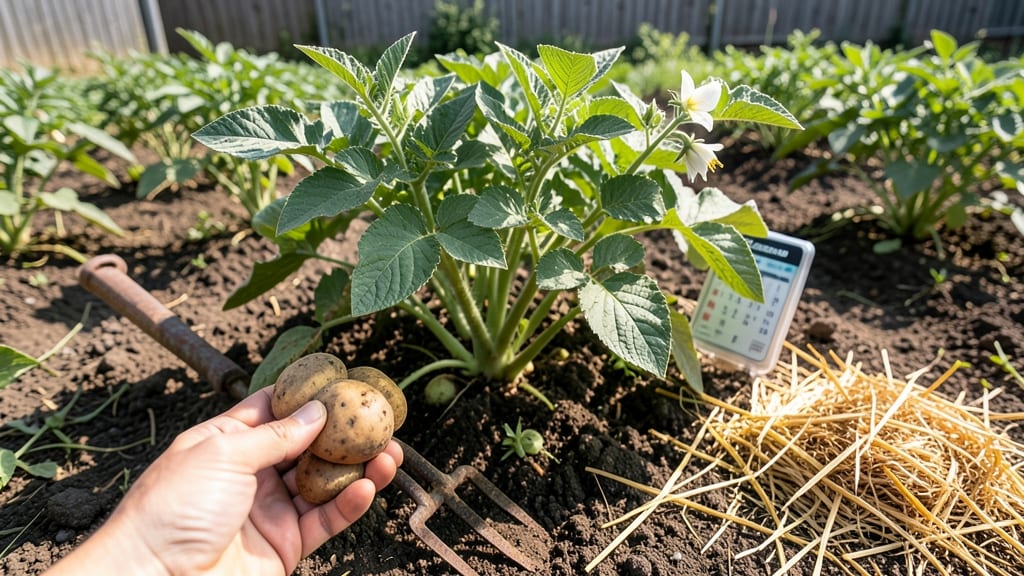
Planting potatoes in North Carolina isn't a one-size-fits-all task—your frost-free deadlines can shift dramatically between the mountains and the coast, making timing the key to avoiding early freezes or late-season blight.
Whether you're in the chilly heights of Asheville or the milder climate near Wilmington, knowing exactly when to get those 🥔 sprouts in the ground can mean the difference between a thriving harvest and a wasted effort.
For gardeners in zones 6a-8b, the ideal window stretches from February to May, but the exact timing depends on your county's last frost date—typically around March 15 in most areas, though it can vary by weeks.
Early varieties can start as soon as the soil warms to 45°F, while late-season potatoes need to be planted 4-6 weeks before the final frost to mature before fall temperatures drop.
What sets NC apart is its microclimates—coastal areas like Dare County can plant earlier than the Piedmont, while the mountains may need to wait until April.
I’ll break down how to adjust your schedule based on your specific heat zone, including soil prep tips and how to spot the first signs of successful germination so you can stay ahead of pests and diseases.
Ready to dig in? Let’s explore the exact planting windows for your county, plus pro tips to extend your growing season and maximize your harvest—no matter where in NC you’re gardening. Your 🥔 patch is about to get a lot more productive!
NC potato planting deadlines by heat zone (2024 guide)
North Carolina spans USDA heat zones 3A through 8B, meaning your potato planting window could start as early as February in the Piedmont or as late as mid-April in the mountains. Missing these deadlines risks frost damage or late-season blight, two common pitfalls for NC gardeners.
Below, I’ve mapped out the optimal planting windows for each heat zone, including county-specific examples to help you time your harvest perfectly.
For early varieties like ‘Red LaSoda’, aim to plant 4-6 weeks before your last frost date. Late varieties such as ‘Kennebec’ need a longer growing season, so plant them closer to your last frost date.
Coastal areas (zones 8A-8B) can even attempt fall plantings for winter harvests, but this requires careful planning to avoid early freezes.
The table below breaks down planting deadlines by heat zone, including average last frost dates and recommended varieties. Use your local county’s heat zone (check the USDA Plant Hardiness Zone Map) to find your exact window.
If you’re in zone 3A or 4A, like Asheville or Boone, your short growing season means you’ll want to focus on early-maturing varieties (60–90 days to harvest). In contrast, coastal zones (8A-8B) offer a longer window, allowing for both spring and fall plantings.
For example, gardeners in Wilmington (zone 8B) can plant as early as mid-January or even attempt a fall crop in September for a winter harvest.
Pro tip: Use NC State Extension’s frost date maps to pinpoint your exact last frost date. These maps account for microclimates (e.g., valleys vs. ridges) that can shift frost dates by 1–2 weeks.
For instance, a south-facing slope in the mountains may warm up faster than a low-lying area, giving you an extra week or two to plant.
For late varieties like ‘Kennebec’, plant closer to your last frost date—these need 100–120 days to mature. In zone 5A (Piedmont)**, this means planting by March 15 to avoid late blight, a fungal disease that thrives in NC’s humid summers.
Early varieties, however, can handle a light frost and may even benefit from cooler spring temps.
Remember: Soil temperature matters just as much as air temperature. Potatoes won’t sprout until the soil reaches 45°F (7°C). In colder zones, wait until the soil warms to this threshold—even if the air is above freezing.
Use a soil thermometer to check, especially in shady or clay-heavy soils, which stay cooler longer.
🌱
How to adjust planting for NC’s microclimates and soil conditions
North Carolina’s microclimates can make or break your potato harvest, especially when transitioning from the cool mountain zones to the warmer coastal plains.
In areas like Asheville (Zone 6b), late frosts can linger until April 15, while Wilmington (Zone 8a) may see frost-free conditions as early as February 15. Adjust your planting schedule by 2-4 weeks depending on your elevation and proximity to large bodies of water.
For gardeners in Zone 7 and below, consider using row covers or cold frames to extend your season by 3-4 weeks. These tools create a 5-10°F warmer microclimate, allowing you to plant earlier in spring or push harvests later into fall.
I’ve found that floating row covers work best for early plantings—they protect young sprouts from late frosts while still allowing sunlight and water to penetrate.
🚨 WARNING: Wireworm Damage 🚨
- Rotate crops every 3-4 years (avoid planting potatoes, tomatoes, or peppers in the same spot).
- Apply diatomaceous earth around planting holes before adding seed potatoes.
- Plant marigolds or nematode-resistant cover crops (like mustard greens) in fall to deter wireworms.
NC’s soil types also demand attention—clay-heavy soils in the eastern part of the state can suffocate roots, while sandy soils in the western regions drain too quickly. Test your soil’s pH (aim for 5.0-6.5) and amend with compost or aged manure to improve drainage and nutrient retention. For clay soils, mix in coarse sand or perlite to create air pockets, while sandy soils benefit from organic matter like peat moss.
Another critical factor is late blight, a fungal disease that thrives in NC’s humid summers and can wipe out your crop overnight. To minimize risk, plant resistant varieties like ‘Red LaSoda’ or ‘Kennebec’ and avoid overhead watering.
Instead, use drip irrigation to keep foliage dry, and remove any infected plants immediately—don’t compost them—to prevent spreading spores.
If you’re gardening in Zone 6a or colder, consider staggered planting: start with early varieties (e.g., ‘Early Girl’) in late February, then follow with mid-season (e.g., ‘Yukon Gold’) in early April, and finish with late varieties (e.g., ‘Russet Burbank’) in mid-April.
This strategy ensures a continuous harvest from June through September and reduces the risk of losing everything to a single frost or disease outbreak.
Finally, pay attention to soil temperature. Potatoes won’t sprout until the soil reaches 45°F, but ideal germination occurs at 50-60°F. Use a soil thermometer to monitor conditions—if temperatures fluctuate above 85°F, your tubers may sprout but fail to form.
In hot zones like Zone 8b, plant in shade cloth or opt for shorter-season varieties to avoid heat stress.