
Trees
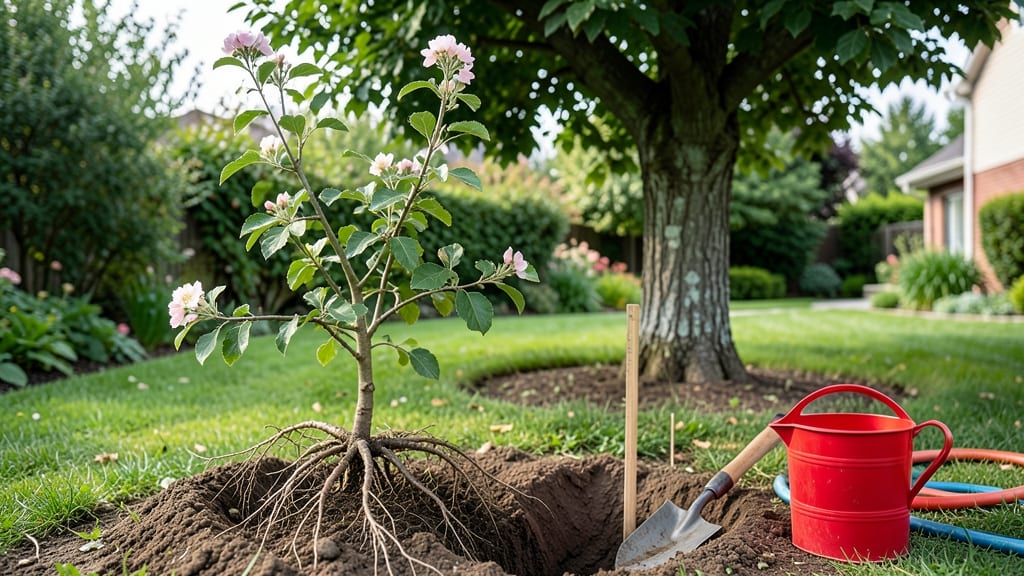
Planting an apple tree 🍎 in North Carolina’s Zone 7B isn’t just about grabbing a sapling—it’s about timing it perfectly to match your tree’s chill-hour needs.
Get the season wrong, and you might end up with a tree that flowers but never sets fruit, leaving you staring at blossoms instead of harvests.
Most gardeners in North Carolina assume spring is the only option, but fall planting can actually give your apple tree a head start.
The key is understanding when your last frost hits—because planting too early or too late can mean the difference between a thriving orchard and a sad, struggling sapling.
I’ve planted dozens of apple trees in this zone, and the best window depends on whether you’re using bare-root or container-grown trees. For bare-root varieties, late winter (February) is ideal, while container-grown trees can handle a slightly later start in early spring (March-April).
Ready to avoid common mistakes and maximize your tree’s success? Let’s break down exactly when to plant, which varieties thrive in your zone, and how to give your apple tree the best possible start—so you can enjoy homegrown fruit for years to come.
Best planting months for apple trees in North Carolina’s zone 7B
North Carolina’s Zone 7B offers a perfect window for planting apple trees, but timing is everything. The ideal months are February through April, aligning with the dormant season when trees can establish roots before spring growth.
This late-winter to early-spring timing ensures your tree avoids summer heat stress and winter cold snaps.
For bare-root trees, plant as soon as soil is workable—typically mid-February to early March—before buds begin to swell. Container-grown trees, however, offer more flexibility and can be planted until late April, as long as they’re watered thoroughly after transplanting.
Avoid planting in summer or fall, as extreme heat or frost can stress young roots.
In Zone 7B, the last average frost date is around March 15, but microclimates in western NC (like the Piedmont) may see frost as late as April 1.
Planting 2-4 weeks before your local last frost date gives roots time to establish before active growth begins. Check your NC State Extension frost map for precision.
Popular varieties like Fuji, Gala, and Honeycrisp thrive in Zone 7B but require 600-900 chill hours. Planting in February or March ensures they receive adequate winter chilling while avoiding early spring warmth that can break dormancy too soon.
Early planting also reduces transplant shock compared to summer or fall.
Here’s how planting timing affects your apple tree’s success:
| Planting Window | Best For | Chill Hours Met? | Root Establishment Risk |
|---|---|---|---|
| Late February | Bare-root trees | ✅ Yes (600+ hours) | Low (dormant season) |
| March | Bare-root or container | ✅ Yes (600-900 hours) | Medium (buds swelling) |
| April | Container-grown only | ⚠️ Risk if early (chill hours may be insufficient) | High (active growth begins) |
| May | Not recommended | ❌ No (chill hours already met) | Very High (heat stress) |
| Fall (Oct-Nov) | Only for container-grown | ✅ Yes (if planted early) | Medium (winter protection needed) |
If you’re planting in fall (October-November), choose container-grown trees and mulch heavily to protect roots from freeze-thaw cycles. Bare-root trees planted in fall rarely survive Zone 7B winters unless you have microclimate protection, like a south-facing slope or windbreak. For most gardeners, spring planting is the safest bet.
Soil temperature is another critical factor. Aim for 40-50°F soil temps—use a soil thermometer to check. In eastern NC, this typically aligns with mid-March, while western NC may be ready by late February. Cooler soil slows root growth, so don’t rush planting if temps are still chilly.
Pro tip: Amend your planting hole with compost or well-rotted manure to improve drainage and fertility. Apple trees prefer slightly acidic soil (pH 6.0-7.0), so test your soil before planting. If your soil is too alkaline, add sulfur or peat moss to the hole.
Once planted, water deeply (15-20 gallons) to settle soil around roots, and apply a 2-3 inch mulch ring to retain moisture. Avoid overwatering, as soggy soil can suffocate roots.
In Zone 7B’s mild winters, young trees may need winter protection like burlap wraps or tree guards if temps dip below 10°F.
By planting in the optimal February-April window, you’ll give your apple tree the best chance to thrive in North Carolina’s climate—leading to healthier growth and better fruit production in just a few years. 🌱🍎
Best planting months for apple trees in North Carolina’s zone 7B
North Carolina’s Zone 7B offers two prime windows for planting apple trees: late winter and early spring. The best time depends on whether you’re planting bare-root or container-grown trees. For bare-root varieties, aim for February to early March—before buds swell but after the ground thaws.
Container-grown trees can handle a later start, up to April, giving you more flexibility.
Fall planting is also an option, but it requires careful timing. Plant 6-8 weeks before the first frost (typically October in Zone 7B) to allow roots to establish before winter. However, fall planting is riskier for apple trees, so spring is generally the safer bet for beginners.
Here’s the key: Bare-root trees must be planted before buds break—usually by mid-March in most of North Carolina. Container-grown trees, on the other hand, can be planted throughout the growing season, but avoid extreme heat or cold.
For example, Fuji and Gala varieties thrive when planted in March, while Honeycrisp benefits from a slightly earlier start in February.
| Planting Type | Best Months | Key Considerations |
|---|---|---|
| Bare-Root Trees | February - Early March | Plant before buds swell; soil must be workable but not frozen. |
| Container-Grown Trees | March - April | Flexible timing; avoid extreme heat or cold stress. |
| Fall Planting (Riskier) | October (6-8 weeks before frost) | Roots must establish before winter; best for experienced gardeners. |
Soil temperature is another critical factor. Apple trees prefer soil temps above 40°F for root growth. In Zone 7B, this typically aligns with late February to early March. Use a soil thermometer to check—planting too early in cold soil can stunt root development.
For example, in Raleigh, aim for March 1-15, while Asheville gardeners can plant as early as February 20.
Local microclimates also play a role. Coastal areas like Wilmington may experience warmer springs, allowing for slightly later planting (up to AprilBoone should plant earlier (by mid-February) to avoid late frosts.
Always check your last frost date—planting too late risks exposing young trees to spring frosts, which can damage blossoms and reduce fruit set.
Pro tip: If you miss the ideal window, don’t panic. Container-grown trees can be planted throughout the growing season, but prioritize early spring for the best results. And remember—well-draining soil and full sun are non-negotiable for apple trees in North Carolina, regardless of when you plant.