
Plants
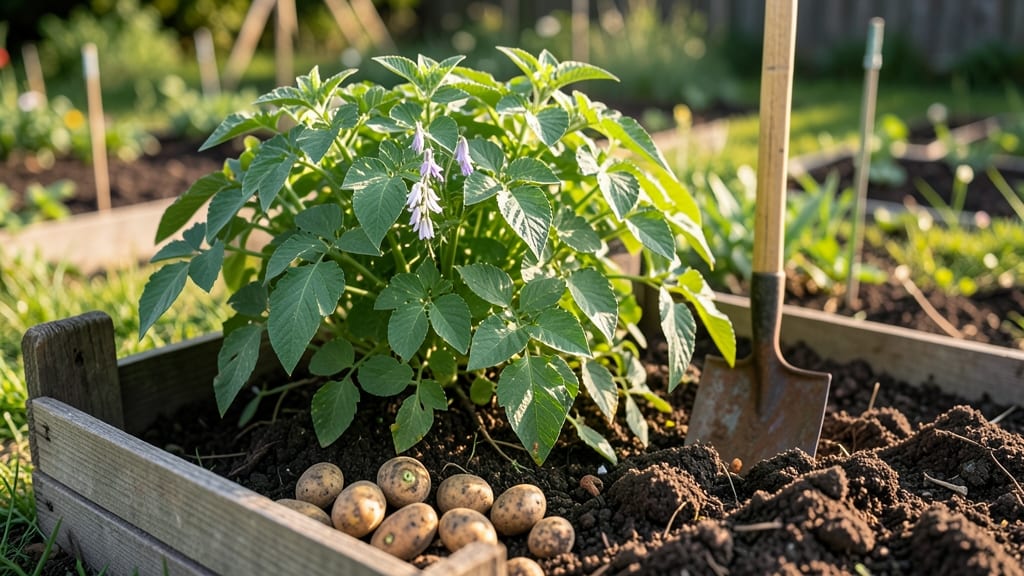
Planting potatoes in Kentucky can feel like a high-stakes game of timing—get it wrong, and you risk frost damage or blight, leaving you with zero harvest. But here’s the good news: with the right schedule, you can grow thick, crisp 🥔 tubers that outperform store-bought any day.
The ideal window for Kentucky’s Zone 6a-7a is early March to mid-April, when soil warms to 45°F and the last frost looms. This ensures your sprouted seed potatoes have time to establish roots before summer’s heat sets in.
Miss this window, and you’ll either face late frosts or invite early blight—a common enemy in Kentucky’s humid climate.
In this guide, I’ll break down the exact dates to plant by variety, how to prep your soil for maximum yield, and pro tips to stretch your season without risking disaster.
Whether you’re a first-timer or a seasoned gardener, these insights will help you grow potatoes that rival Kentucky’s famous restaurant-quality harvests.
Ready to dig in? Let’s get your potatoes in the ground at the perfect moment—so you can enjoy a bumper crop by summer’s end.
Kentucky potato planting deadlines by Zone 6a/7a: exact dates to avoid frost damage
Getting your potatoes in the ground at the right time is critical in Kentucky’s Zone 6a/7a. The average last frost date hovers around mid-April, but this can shift by 2-3 weeks depending on elevation and microclimates.
Plant too early, and frost will blacken your sprouts; too late, and late blight (a common Kentucky nemesis) will cut your harvest short.
For spring planting, aim to get seed potatoes in the soil 2-4 weeks before your expected last frost. This typically means early March to mid-April for most of Kentucky.
For fall planting, your window narrows to September to early October, giving tubers time to mature before the first frost hits around mid-October.
Soil temperature is just as important as calendar dates. Potatoes thrive when soil reaches 45°F. Use a soil thermometer to confirm—cold soil delays sprouting and invites rot.
In Zone 7a (warmer southern Kentucky), you can push planting slightly later, but Zone 6a (northern Kentucky) demands earlier action to avoid frost.
Here’s a quick reference for Kentucky’s two zones, including variety-specific planting windows and key deadlines:
For early varieties like Red LaSoda, you can start as soon as soil is workable, even if it’s still chilly. These 60-day potatoes are perfect for Kentucky’s short growing season.
Meanwhile, late varieties like Kennebec need the full 110-day window to reach maturity, so plant them closer to your last frost date.
Pro tip: Use row covers or black plastic mulch to warm soil faster in early spring. This lets you plant 2 weeks earlier without risking frost damage. Just remove covers once sprouts emerge to prevent overheating.
Kentucky’s humidity also plays a role. After planting, maintain consistent moisture—especially in Zone 7a—to prevent scab disease. Water deeply in the morning to let foliage dry quickly, reducing blight risk. Avoid overhead watering once plants flower to keep tubers dry.
If you’re unsure about your exact last frost date, check the Kentucky Mesonet or local Cooperative Extension Service for updates. Their data is tailored to your county and can save your crop from a late freeze.
Timing isn’t just about dates—it’s about soil prep, variety choice, and weather patterns. Master these, and you’ll enjoy a bumper crop of golden Yukon Golds or crisp Russets straight from your Kentucky garden.
Best potato varieties for Kentucky’s climate: frost resistance and blight protection
Kentucky’s humid summers and variable frost dates demand potato varieties that thrive under pressure.
The wrong choice means blight losses or stunted growth—so I’ve narrowed it down to the top 5 varieties that excel in Zone 6a/7a. These picks balance disease resistance, yield potential, and adaptability to Kentucky’s short growing season and high humidity.
For early harvests (60–90 days), Yukon Gold and Red LaSoda shine—both tolerate light frost and resist early blight, which is critical in Kentucky’s damp springs. Their buttery texture makes them ideal for mashed potatoes, but they’re also disease-prone later in the season, so plant them first in your rotation.
Kennebec and Russet Burbank dominate the late-season market (100–120 days) with their thick skins and blight resistance. These are my go-to for storage potatoes—they keep for months in cool, dark conditions. However, they need warmer soil (50°F+) to sprout consistently, so hold off planting until mid-April in most of Kentucky.
Lastly, Adirondack Red is a hidden gem for Kentucky gardens. This heirloom variety matures in 85–90 days, resists scab and blight, and produces smooth, red-skinned tubers perfect for roasting. It’s my favorite for small farms because it handles Kentucky’s inconsistent rainfall better than most.
🌱 Top Potato Varieties for Kentucky
| Variety | Days to Maturity | Blight Resistance | Best For | Kentucky Tip |
|---|---|---|---|---|
| Yukon Gold | 60–90 | Moderate | Mashed potatoes | Plant early March to avoid blight. |
| Kennebec | 100–120 | High | Storage | Wait for 50°F soil to plant. |
| Adirondack Red | 85–90 | Very High | Roasting | Ideal for humid summers. |
| Russet Burbank | 110–120 | High | Baking | Needs well-draining soil. |
| Red LaSoda | 70–80 | Moderate | Salads | Great for early planting. |
💡 Pro Tip: Rotate varieties yearly to prevent soil-borne diseases like verticillium wilt.
If you’re new to growing potatoes, start with Yukon Gold or Red LaSoda—they’re forgiving and produce reliable yields even in Kentucky’s unpredictable springs. For long-term storage, Kennebec is my top pick, but be prepared to hilling soil regularly to protect tubers from late-season blight.
Avoid fingerling varieties like Purple Peruvian unless you’re in southern Kentucky (Zone 7a), where they can handle the extra heat. Their thin skins make them vulnerable to disease in Kentucky’s