
Plants
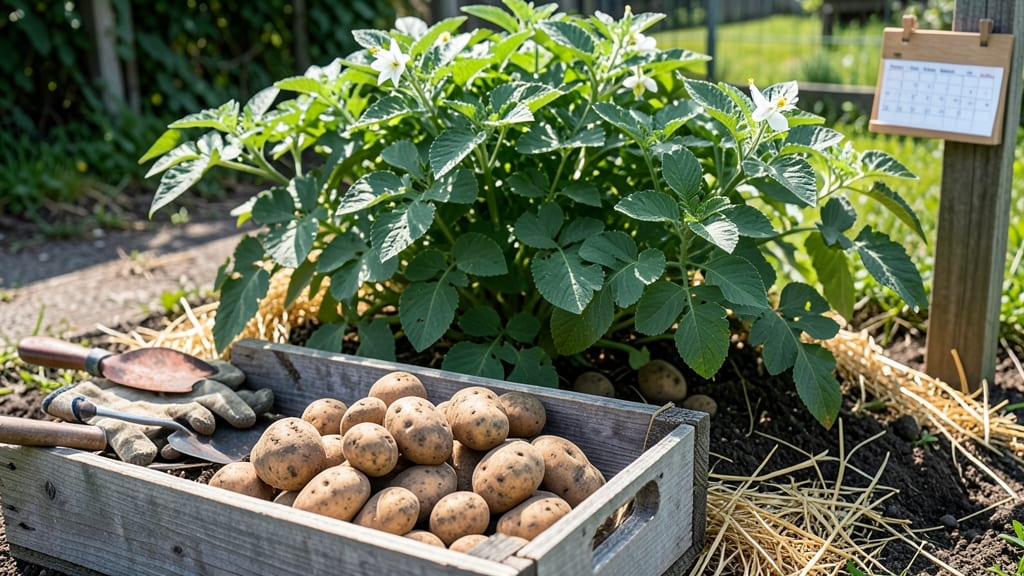
Planting potatoes in Zone 6 at the wrong time can turn your garden dreams into a flop—especially when you're just weeks away from a bountiful harvest.
The key to success lies in understanding your local frost dates and soil temperatures, which vary more than you might expect even within the same zone.
For most of Zone 6, the ideal window opens 2-4 weeks before your last frost date, typically around early April. This timing gives your 🥔 tubers enough cool weather to establish roots before the soil warms up.
But here's the catch: early varieties can sometimes be planted as soon as late February or early March if you're using row covers or cold frames.
Why does this matter? Planting too early risks frost damage to emerging sprouts, while waiting too long means your potatoes won't have enough time to mature before summer heat sets in. The solution? Start with properly chitted seed potatoes and monitor soil temperatures—aim for 45°F or warmer before planting.
In this guide, I'll walk you through exactly how to time your planting for maximum yield, including soil prep tips and variety recommendations that thrive in Zone 6's short but productive growing season. Let's get those spuds in the ground at the perfect moment!
Best planting weeks for potatoes in Zone 6: timing matters
In Zone 6, potatoes thrive when planted at the right moment—typically 2-4 weeks before your last expected frost date. This window usually falls between late March and mid-April, but exact timing depends on your specific microclimate.
For example, areas with earlier springs (like western Zone 6) may start as early as early March, while cooler eastern regions might wait until mid-April.
Potatoes are cold-hardy and can tolerate soil temperatures as low as 45°F, but they won’t sprout until the soil warms slightly. Planting too early in cold, wet soil risks rot, while waiting too long can shorten your harvest window.
The key is balancing frost risk with soil warmth—aim for when daytime temps consistently reach 50°F.
Here’s how to calculate your exact planting window: Check your average last frost date (Zone 6 ranges from April 15 in the north to March 20 in the south).
Subtract 3-4 weeks to land on your ideal planting date. For instance, if your last frost is April 20, plant between March 25 and April 5.
| Planting Window | Soil Temp Requirement | Variety Suitability | Frost Risk |
|---|---|---|---|
| Late March | 45-50°F | Early varieties (60-70 days) | High (late frosts possible) |
| Early April | 50-55°F | Mid-season (70-90 days) | Moderate (frost risk decreases) |
| Mid-April | 55-60°F | Late varieties (90-120 days) | Low (safe for most of Zone 6) |
*Adjust for your local frost dates—check with your local cooperative extension office for precision.
For early varieties, you can even plant as soon as soil is workable in late February if you use row covers or cold frames to protect young plants.
These varieties (like Yukon Gold or Red Norland) mature in 60-70 days, giving you a harvest before summer heat sets in. Meanwhile, late-season potatoes (such as Russet) need the full 90-120 days, so plant them closer to mid-April.
Pro tip: If you’re unsure about frost dates, use biodegradable planting pots to start potatoes indoors in early March. Once sprouts emerge (about 4-6 weeks), transplant them outdoors. This buys you extra time in case of late frosts.
Another strategy is to plant two successive crops: one in early April for a summer harvest and another in late May for a fall harvest. The second crop benefits from warmer soil and avoids early blight, a common Zone 6 potato disease that thrives in cool, wet springs.
Always plant potatoes in well-draining soil with a pH between 5.0 and 6.0. Amend heavy clay soil with compost or sand to prevent waterlogging, which can rot tubers. Work in a 2-3 inch layer of compost before planting to provide nutrients without overloading nitrogen, which can delay tuber formation.
Finally, mark your planting date on a garden calendar and track soil temps with a soil thermometer (available for under $10). Consistency is key—potatoes planted at the wrong time may produce small yields or misshapen tubers. With the right timing, you’ll enjoy bountiful harvests all summer long! 🥔
How to adjust planting for Zone 6’s unpredictable spring weather
Zone 6’s spring weather can be as unpredictable as a whimsical breeze—one day warm sunshine, the next a surprise frost. To protect your potato crop, I’ve learned to adapt planting strategies based on soil temperature, frost risk, and weather forecasts. The key is flexibility while sticking to a general timeline.
Start by monitoring soil temperatures—potatoes thrive when the soil reaches 45°F (7°C). Use a soil thermometer to check depths of 4 inches, where the tubers will sprout. If temperatures fluctuate below freezing after planting, you’ll need protective measures like row covers or cold-hardy varieties to prevent damage.
Here’s how I adjust my planting schedule for Zone 6’s quirks:
For early planting (late February to early March), choose cold-tolerant varieties like Yukon Gold or Red Pontiac, which can handle cooler soils. If you plant too early and face frost, mulch heavily with straw or leaves to insulate the soil and protect emerging tubers.
Another trick I swear by? Planting in containers or raised beds. These warm up faster than in-ground soil and give you control over drainage—critical for potatoes, which rot in soggy conditions. Fill containers with a mix of compost, peat moss, and perlite to improve warmth and aeration.
If spring drags on and you miss the ideal window, don’t despair—late planting is still possible in Zone 6! Opt for fast-maturing varieties (like Early Girl) and plant as late as May, but expect a smaller harvest.
Just ensure your plants get full sun and consistent moisture to compensate for the shorter growing season.
Pro tip: Set up a simple weather station or sign up for local frost alerts. In my experience, knowing your microclimate (e.g., low-lying areas frost later) can shave weeks off your planting timeline. With these adjustments, even Zone 6’s mood swings won’t derail your potato dreams. 🌱