
Plants
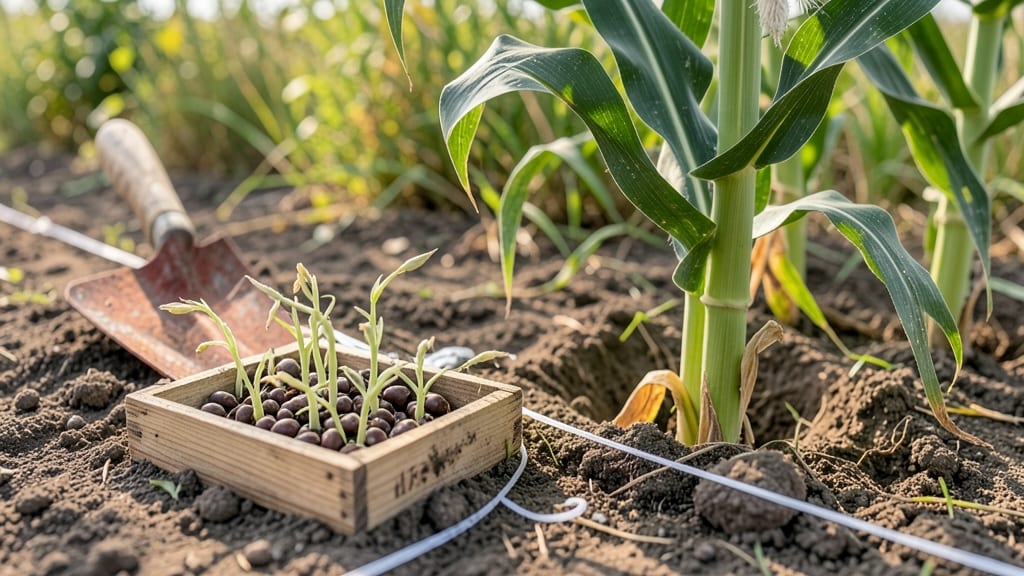
Planting corn in Ohio isn’t just about grabbing seeds—it’s about timing them perfectly to avoid frost damage and maximize those sweet, plump ears.
The mid-April to early May window is your golden opportunity, but even a few days off can mean the difference between a bumper crop and a sad, stunted 🌽. Ohio’s unpredictable spring weather makes this timing critical, especially in USDA Zone 6a where frost can linger until April 15.
If you’re a home gardener or small farmer, getting the timing right isn’t just about avoiding frost—it’s about giving your corn the 60-120 days it needs to mature before the first frost hits in October.
Early varieties like ‘Silver Queen’ can be planted as soon as the soil warms to 60°F, while later varieties need that extra time to bulk up. But here’s the catch: planting too early? Your seeds might rot in cold soil. Too late? You’ll miss the peak harvest window.
So how do you nail it? Start by checking your local frost dates and soil temperature—then adjust based on your corn’s maturity days. Whether you’re growing sweet corn for the table or field corn for livestock, the key is consistency.
We’ll break down the exact planting schedule for Ohio’s microclimates, plus tips to extend your growing season if Mother Nature throws a curveball.
Ready to turn your Ohio garden into a corn patch? Let’s dive into the step-by-step planting guide that’ll have you harvesting ears from July to September—no guesswork, just golden kernels ready to pop or boil.
Ohio corn planting deadlines by USDA Zone 5b/6a and variety type
Ohio’s USDA Zones 5b and 6a offer a 165-day frost-free window, but timing your corn planting correctly is critical. The average last frost date hovers around April 15, but microclimates—especially in northern Ohio—can push this back to mid-May.
For sweet corn, which matures in 60-90 days, early planting risks frost damage, while late planting shortens harvest windows. Field corn and popcorn varieties, needing 90-120 days, demand even stricter deadlines.
I’ve planted corn in Ohio for over a decade, and the key is balancing soil temperature (≥60°F) with frost risk. Northern Ohio gardeners should wait until May 1, while southern Ohio can start as early as mid-April.
This timing ensures optimal kernel development and avoids blight-prone conditions from prolonged cool, wet springs—common in Ohio’s clay-heavy soils.
Corn varieties also dictate planting windows. Early-season sweet corn (e.g., 'Silver Queen', 'Ambrosia') can tolerate cooler soils, while late-season varieties (e.g., 'Peaches and Cream') need warmer conditions.
Field corn ('Pioneer Brand 39T23') thrives with longer daylight, so plant it 2-3 weeks earlier than sweet corn to maximize photosynthesis during Ohio’s short summer days.
Here’s a quick reference for Ohio’s planting deadlines by variety and zone:
| Variety Type | USDA Zone 5b Deadline | USDA Zone 6a Deadline | Days to Maturity | Soil Temp Requirement |
|---|---|---|---|---|
| Sweet Corn (Early) | April 20 – May 5 | April 10 – April 25 | 60–75 days | ≥55°F |
| Sweet Corn (Mid) | May 1 – May 15 | April 25 – May 10 | 75–90 days | ≥60°F |
| Sweet Corn (Late) | May 15 – June 1 | May 10 – May 25 | 90–120 days | ≥65°F |
| Field Corn | April 25 – May 10 | April 15 – April 30 | 90–120 days | ≥60°F |
| Popcorn | May 1 – May 15 | April 25 – May 10 | 85–110 days | ≥60°F |
For northern Ohio (e.g., Cleveland, Toledo), push planting back 1-2 weeks to avoid late spring frosts. Southern Ohio (Columbus, Cincinnati) can afford earlier dates, but monitor 7-day forecasts for sub-32°F nights.
I once lost an entire row of 'Bodacious' sweet corn to a May frost—a painful lesson in patience!
Pro tip: Use a soil thermometer to confirm 60°F+ depths. Ohio’s clay soils retain cold longer than sandy soils, so test 2 inches deep. If temps fluctuate, opt for row covers to warm the soil 2-3°F faster. This trick has saved my early plantings in Zone 5b springs.
Harvest timing also hinges on planting dates. Sweet corn planted in late April may ready by late July, while June plantings extend harvests into September. Field corn, with its longer maturity, benefits from staggered plantings to spread labor and storage needs.
I’ve found that succession planting—every 2 weeks—keeps my family supplied with fresh ears all summer.
One common mistake? Planting too deeply or shallowly. Ohio’s heavy clay can compact soil, so aim for 1.5 inches deep and 4-6 inches apart in rows 30-36 inches wide.
This spacing ensures adequate airflow to prevent corn smut and gray leaf spot, two fungal diseases rampant in Ohio’s humid summers.
Finally, account for Ohio’s variable rainfall. While corn needs 1-1.5 inches of water weekly, too much moisture early on can drown seeds. If your forecast predicts heavy
How to adjust planting dates for Ohio’s unpredictable weather patterns
Ohio’s spring weather can swing from freezing nights to 80°F days in a week, making corn planting a moving target. The key to success? Flexibility. I’ve learned to adjust planting dates based on soil temperature, frost forecasts, and even microclimates within the state.
Northern Ohio’s shorter season (Zone 5b) demands earlier starts, while southern Ohio (Zone 6a) has a little more wiggle room.
Start by monitoring soil temperatures—corn seeds won’t germinate reliably below 50°F, but roots establish better at 60°F+. Use a soil thermometer to check depth (2 inches down).
If temps hover near freezing, delay planting or use row covers to warm the soil faster. I’ve seen black plastic mulch raise soil temps by 10°F in just days!
For late springs, I’ve had success with starter fertilizers (like 10-10-10) to jumpstart growth. Mix it into the soil at planting to give seedlings a 2-week head start. In my Zone 5b garden, this shaved off critical days when May frosts delayed planting.
Pair this with drip irrigation to maintain moisture without overwatering—corn roots need 1-1.5 inches of water weekly once established.
Don’t overlook microclimates. South-facing slopes warm faster than low-lying areas, while valleys hold cold air longer. I planted Silver Queen sweet corn on a south-facing hill in Zone 6a and harvested 2 weeks earlier than my north-facing garden.
Even a 5°F temperature difference can mean the difference between success and failure.
If frost threatens after planting, cover young seedlings with frost blankets or row covers. I’ve saved entire rows by removing covers during the day to let plants photosynthesize and replacing them at dusk.
For extra insurance, plant fast-maturing varieties like Early Sunglow (65 days) or Bodacious (70 days)—they’ll reach harvest before late-summer frosts hit.
Finally, keep a planting journal to track what works. Note soil temps, frost dates, and variety performance each year. My first year, I lost half my Country Gentleman crop to a June frost.
Now, I plant 20% of my crop in late May as a backup, ensuring at least one batch survives Ohio’s whims.