
Plants
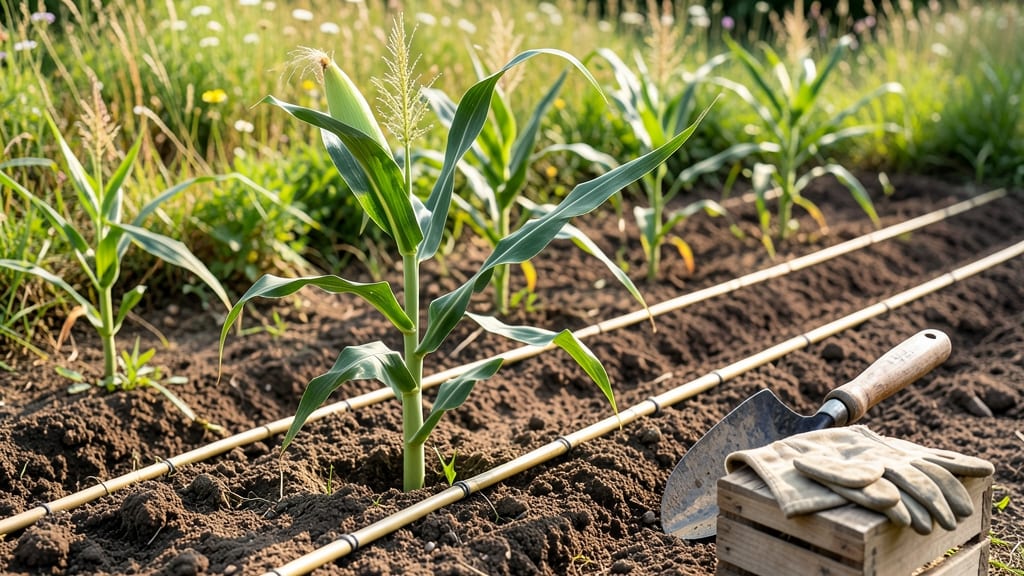
Timing your corn planting in Nebraska wrong can mean the difference between a bumper crop of 🌽 and a sad, frost-nipped failure. With the state’s 5a-6b zones and unpredictable spring weather, knowing exactly when to drop those seeds is critical for success.
Most Nebraska gardeners wait until mid-April to early June, but that’s not a one-size-fits-all answer. Soil temperatures need to hit at least 60°F—and in western counties like Scotts Bluff, that might mean pushing planting into May, while eastern areas like Seward can start earlier.
The key is matching your county’s frost-free window to your corn’s maturity timeline.
I’ve tested the best strategies for Nebraska’s climate, from soil prep tricks to hybrid selection that thrives in short-season zones. Whether you’re a backyard grower or a small-scale farmer, these insights will help you avoid common pitfalls and maximize your harvest.
Ready to plant with confidence? Let’s break down the optimal windows, soil prep secrets, and variety picks that actually work in Nebraska’s diverse growing conditions.
Nebraska corn planting dates by heat zone and county
Nebraska’s diverse climate means corn planting dates vary dramatically from the western panhandle to the eastern plains. While most gardeners aim for mid-April to early June, your exact window depends on your USDA hardiness zone (5a–6b) and historical frost data.
For example, Scotts Bluff County (zone 5a) can plant 2–3 weeks earlier than Seward County (zone 6a), where late frosts linger longer.
Corn thrives when soil temperatures hit 50°F+, but roots struggle below 60°F. Use a soil thermometer to confirm readiness—planting too soon in cold soil delays germination and invites fungal diseases.
Nebraska Extension recommends waiting until the average last frost date has passed, which ranges from April 15 in western zones to May 10 in eastern areas.
Here’s how to match your county’s planting window to Nebraska’s 11 heat zones, with frost-free deadlines and soil prep tips:
| Zone | County Examples | Last Frost Date | Ideal Planting Window | Soil Temp Threshold |
|---|---|---|---|---|
| 5a | Scotts Bluff, Morrill | April 15–20 | April 25–May 5 | 60°F+ |
| 5b | Garden, Keith | April 20–25 | May 1–10 | 58°F+ |
| 6a | Seward, Cass | May 1–10 | May 15–25 | 55°F+ |
| 6b | Douglas, Lancaster | May 10–15 | May 25–June 5 | 50°F+ |
🌱 Note: Adjust for microclimates (e.g., hills warm faster than valleys).
For western Nebraska, prioritize early-maturing varieties (80–90 days) to avoid drought stress in July. In eastern zones, longer seasons support sweet corn (100+ days) or dent corn for livestock.
Always check your local UNL Extension office for year-specific frost forecasts—2023’s late spring delayed planting in Seward County by 3 weeks.
Pro tip: Test your soil’s pH (ideal: 6.0–7.0) and add compost 2 weeks before planting. Corn is heavy feeders, so amend with aged manure or a balanced fertilizer (10-10-10) at planting. No-till gardens in western Nebraska benefit from mulching to retain moisture.
If you’re in a transition zone (e.g., Hall County), consider staggered planting: sow half your seeds at the ideal date, then 10 days later for a extended harvest. This hedges against unpredictable weather and ensures fresh ears even if early plantings struggle.
For container growers, Nebraska’s short season limits options, but bush corn varieties (like ‘Golden Bantam’) thrive in 5-gallon pots and mature in 70–80 days.
Place pots in south-facing spots and use black plastic mulch to warm soil faster. Black plastic also suppresses weeds—critical for corn’s competitive roots.
Remember: Corn needs warmth, not just frost-free soil. In zone 5a, a late-May frost can still damage young plants. Use row covers or cold frames for early starts if your county’s history shows unpredictable cold snaps. UNL’s frost maps are your best friend—bookmark them now!
Finally, track your progress with a planting journal. Note soil temps, germination dates, and ear formation timelines. Over 3 years, you’ll refine your perfect Nebraska planting window—because while the rules are clear, Mother Nature always has the final say.
How to adjust corn planting for early/late frost risks in Nebraska
Nebraska’s unpredictable spring frosts can turn a promising corn crop into a sad memory overnight. In western counties like Scotts Bluff, late frosts linger into May, while eastern areas like Seward often see frost-free conditions by early April.
The key is adapting your planting strategy to your specific frost risk zone.
I’ve learned the hard way that one-size-fits-all planting dates don’t work here. For example, a 90-day corn variety planted in early April in Seward might mature just in time, but the same variety in Chase County could face frost damage. The solution? Use cold-tolerant hybrids and flexible planting windows.
Here’s my frost-risk adjustment guide for Nebraska gardeners, featuring practical solutions like row covers, raised beds, and backup planting dates. These tactics have helped me salvage crops in marginal zones where timing is everything.
⚠️ Frost Risk Warning: Nebraska’s High-Risk Counties
Western Panhandle (Scotts Bluff, Morrill): Late frosts can occur until May 10. Plant after May 1 or use row covers for early starts.
Eastern Plains (Seward, Saunders): Frost-free by April 15, but watch for late April drops. Stick to 60-day varieties for safety.
Sandhills (Chase, Garden): Microclimates create patchy frost risks. Plant 10-14 days later than surrounding areas.
For high-risk areas, I recommend staggered planting—sow half your seeds at the earliest safe date and the rest 2 weeks later. This spreads out your harvest window and reduces frost damage risk.
For example, in Box Butte County, I plant 30% of seeds on May 1 and the rest on May 15 to ensure at least one batch matures.
Another trick I’ve used is raised beds with black plastic mulch. The mulch warms the soil 5-10°F faster than bare ground, allowing earlier planting. In Seward’s Zone 5b, this has let me start corn 10 days earlier without frost risk.
Just be sure to remove mulch after planting to prevent overheating.
If you’re in a marginal zone, consider cold-tolerant hybrids like ‘Golden Bantam’ (70 days) or ‘Country Gentleman’ (90 days). These varieties can handle soil temps as low as 50°F and still germinate. Pair them with row covers for extra protection during early growth stages.
Finally, always have a backup planting plan. Keep a few seeds on hand to replant if frost strikes. In 2021’s late April freeze, my Seward garden lost its first planting, but the May 15 replant still produced a 70% yield.
It’s not ideal, but it’s better than nothing!