
Plants
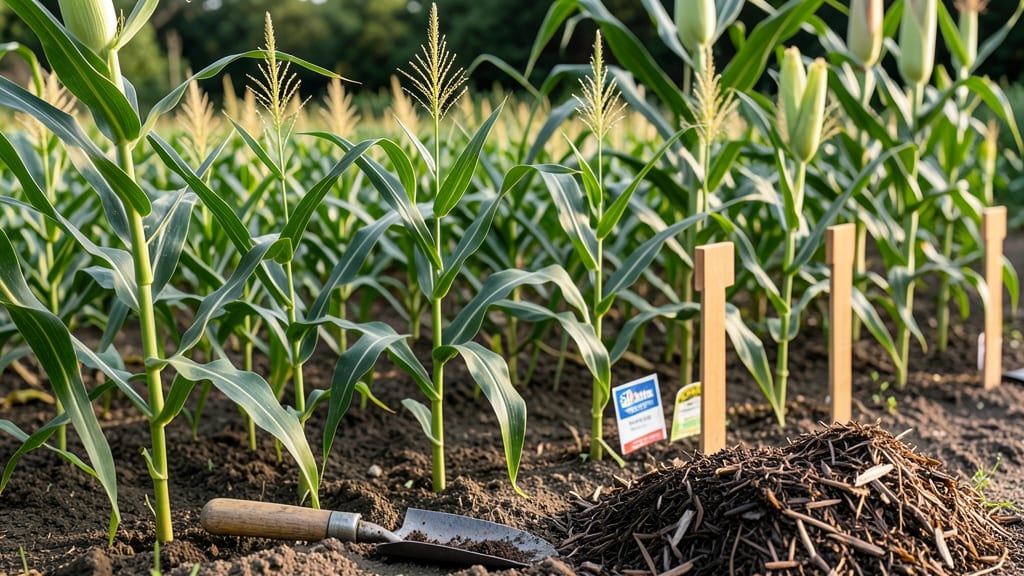
Planting sweet corn 🌽 in Michigan isn’t just about tossing seeds into the dirt—it’s about catching that narrow window between frost risks and summer heat.
Miss the timing, and you’ll end up with stunted ears or no harvest at all, especially in Zone 5b-6a where late frosts can still sneak in through mid-May.
I’ve learned the hard way that waiting for the soil to warm to 60°F (usually around mid-April) and planting after the last frost date is the key to success.
But here’s the catch: Michigan’s unpredictable weather means you might need to adjust your schedule based on whether you’re in the northern Lower Peninsula or the southern part of the state.
In this guide, I’ll break down the exact planting dates you should follow, plus pro tips for extending your season with row covers or succession planting.
Whether you’re a first-time gardener or a veteran grower, these strategies will help you avoid common pitfalls and maximize your harvest from July to September.
Ready to turn your backyard into a cornucopia? Let’s dive into the frost-free timeline that’ll give you the best shot at plump, sweet ears every season.
Michigan sweet corn planting dates by Zone 5b-6a: exact timelines & frost risks
Michigan’s Zone 5b-6a growing season is short but perfect for sweet corn—if you plant at the right time. The key is waiting until after the last average frost date (typically April 15 in most of the state) and ensuring soil temperatures stay above 60°F.
Cold soil slows germination, while late frosts can wipe out tender seedlings.
For northern Michigan (Zone 5b), aim to plant mid-May to avoid frost risks. Southern Michigan (Zone 6a) can start as early as late April, but always check your local frost-free date—it varies by 5-10 days across the state.
Urban areas may experience microclimates with later frosts, so monitor forecasts closely.
Here’s the golden window for planting sweet corn in Michigan:
| Zone | Last Frost Date | Ideal Planting Window | Soil Temp Threshold | Backup Date (Late Frost) |
|---|---|---|---|---|
| Zone 5b (North) | April 20–May 5 | Mid-May | 60°F+ | June 1 (if frost delayed) |
| Zone 6a (South) | April 1–April 15 | Late April–early May | 60°F+ | May 15 (if frost delayed) |
Use a soil thermometer to confirm temperatures—corn seeds won’t sprout below 50°F, and growth stalls under 60°F. If your soil is still cold in May, consider black plastic mulch to warm it faster. This trick can shave 1-2 weeks off your planting timeline.
For succession planting, repeat sowings every 2 weeks until June 15 to stretch your harvest. Late plantings won’t mature fully, but they’ll give you smaller ears for quick meals. Always choose fast-maturing varieties (under 80 days) for these later dates.
Pro tip: Check Michigan State University’s frost maps or use the National Weather Service’s Almanac for your specific county. Urban gardens in Detroit or Grand Rapids may frost 3-5 days later than rural areas, so adjust accordingly.
If a late frost hits after planting, cover seedlings with frost blankets or row covers until temperatures rise. Corn is tender until it reaches 4-6 inches tall, so protect it like you would tomato seedlings.
Remember: Direct sowing is best for sweet corn—it hates transplanting. Start seeds 1 inch deep, 12 inches apart, and thin to 8-12 inches when seedlings are 3 inches tall. Thin early to avoid competition and reduce disease risk.
With the right timing, you’ll enjoy crisp, sweet ears from July through September. Miss the window, and you’ll be left with dry, starchy corn—or worse, no harvest at all. 🌽
How to extend your sweet corn season in Michigan: cold soil, succession planting & frost protection
Michigan’s short growing season can feel like a race against time for sweet corn 🌽, but with the right strategies, you can push your harvest window by 3-4 weeks. The key? Understanding how to work with cool soil, protect tender seedlings, and time succession plantings for continuous harvests.
I’ve found that black plastic mulch and row covers are game-changers for early plantings. These tools warm the soil faster and shield young plants from late frosts, which can still hit northern Michigan through May.
For example, laying down mulch in mid-April can raise soil temps by 5-10°F, making it safe to plant 1-2 weeks earlier than usual.
Another trick is choosing cold-tolerant varieties like ‘Early Sunglow’ (70 days to maturity) or ‘Ambrosia’ (75 days), which can handle 50°F soil temps better than standard varieties.
Pair this with cloche tunnels or floating row covers, and you’ll extend your harvest into early October—just in time for fall feasts!
Lays in mid-April to warm soil faster; removes when plants are 6" tall.
Sow every 2 weeks from May to June for staggered harvests.
Use floating covers until plants are 12" tall; lifts off during pollination.
Pick 70-day varieties like ‘Silver Queen’ for faster harvests.
Use a soil thermometer; plant when soil hits 60°F.
For late-season extensions, focus on succession planting. After your first planting (around mid-May), sow additional seeds every 2 weeks until early July. This ensures fresh ears through September, even if early plantings bolt from heat.
Just remember: space rows 3 feet apart to avoid shading and poor air circulation.
One mistake I’ve seen gardeners make is overcrowding when trying to extend the season. Too many plants competing for sunlight and nutrients leads to small, underdeveloped ears. Instead, prioritize healthy spacing and consistent watering—aim for 1-2 inches of water per week during dry spells.
A drip irrigation system works wonders for keeping soil moist without fungal risks.
Finally, keep an eye on pollen shed when using row covers. Corn relies on wind or insects to pollinate, so remove covers during peak flowering (midday) for 2-3 hours. This small adjustment can mean the difference between plump ears and blanks.
With these strategies, you’ll turn Michigan’s 160 frost-free days into a long, productive harvest—no sad, shriveled ears in sight! 🌾