
Companion Plants
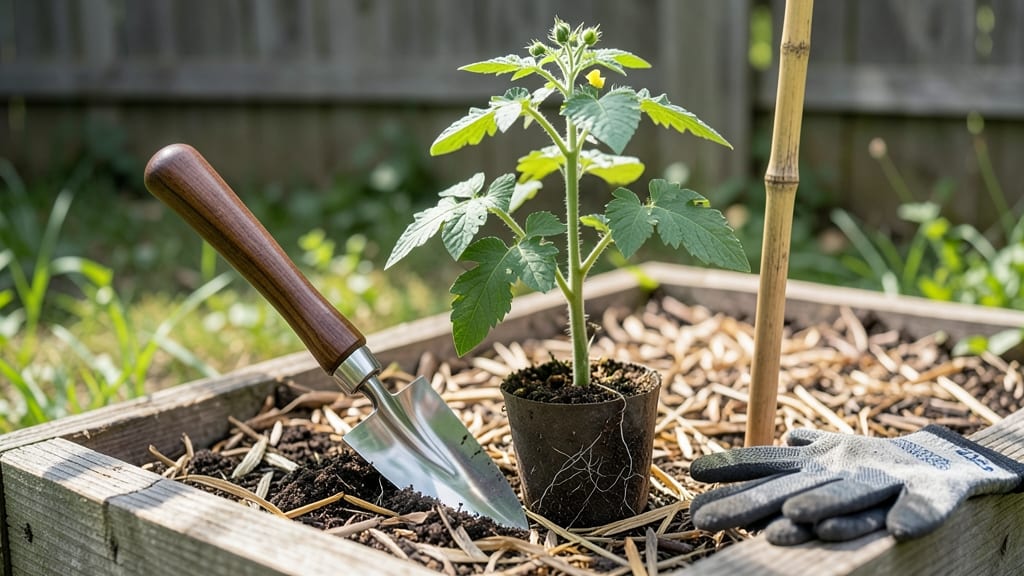
Planting your 🍅 tomatoes at the wrong time in North Carolina can mean the difference between a garden full of ripe fruit and a sad, shriveled disappointment.
The exact weeks before last frost vary dramatically across the state—from coastal Carolina’s milder winters to the mountain highlands’ lingering chills—so getting this right is the key to a successful harvest.
If you’ve ever wondered why some gardeners in Raleigh get early starts while those in Asheville wait until May, the answer lies in your specific heat zone.
I’ll break down the precise planting windows for your county, including soil temperature thresholds and frost-free date calculations, so you can time your seeds or transplants perfectly for maximum yield.
Whether you’re growing heat-loving varieties like ‘Celebrity’ or cooler-season favorites like ‘Stupice,’ knowing when to plant is everything. We’ll also cover how to adjust for NC’s microclimates—from coastal humidity risks to Piedmont heat spikes—and what to do if you miss the ideal window. Let’s get your tomatoes growing strong!
Ready to transform your garden? By the end of this guide, you’ll know exactly when to plant your 🍅 tomatoes in NC—down to the week—and how to protect your crop from unexpected frosts. Your next harvest starts with the right timing.
NC tomato planting schedule by heat zone: exact weeks before last frost
North Carolina spans USDA Heat Zones 5A through 8B, creating wildly different planting windows for tomatoes. In Zone 5A (mountain regions), last frost typically hits May 1-15, while Zone 8B (coastal areas) may see frost-free conditions as early as February 15.
This variation means planting 4-8 weeks before last frost for seeds or 2-4 weeks before for transplants, depending on your zone.
Tomatoes thrive when soil temperatures hit at least 60°F. Using a soil thermometer is key—cooler soils delay germination and stunt growth. In Zone 7A (Piedmont), for example, aim to plant seeds 4-6 weeks before last frost (mid-March) or transplants 2-3 weeks before (early April).
Coastal zones like Zone 8A can start seeds as early as February 1 for an earlier harvest.
Here’s how to calculate your exact planting window: Check your county’s average last frost date (NC State Extension provides county-specific data), then subtract 4 weeks for seeds or 2 weeks for transplants.
Add black plastic mulch 1-2 weeks before planting to warm the soil faster—this can shave off 7-10 days from your planting timeline.
| Heat Zone | Last Frost Date | Seed Planting Window | Transplant Window | Soil Temp Threshold |
|---|---|---|---|---|
| 5A (Mountains) | May 1-15 | April 1-15 | April 15-30 | 60°F+ |
| 6A (Western NC) | April 15-30 | March 15-April 1 | April 1-15 | 60°F+ |
| 7A (Piedmont) | March 15-April 1 | February 15-March 1 | March 15-April 1 | 60°F+ |
| 7B (Central NC) | March 1-April 15 | January 15-February 15 | February 15-March 15 | 60°F+ |
| 8A (Coastal Plain) | February 15-March 1 | December 15-January 15 | January 15-February 15 | 60°F+ |
| 8B (Outer Banks) | January 15-February 1 | November 15-December 15 | December 15-January 15 | 60°F+ |
*Adjust dates 1-2 weeks earlier if using black plastic mulch or row covers.
For fall harvests, aim to plant seeds July 15-August 15 (or transplants August 1-15) in all zones except Zone 5A, where you’ll need to start by July 1 to avoid early frosts.
Use cold-hardy varieties like 'Mountain Merit' or 'Celebrity' for mountain regions, as they tolerate cooler soils better.
Pro tip: If your last frost date is unpredictable, use biodegradable row covers to protect seedlings. These can extend your planting window by 2-3 weeks without stunting growth. Pair them with straw mulch to insulate roots from
How to adjust tomato planting for NC’s microclimates: coastal vs. Piedmont vs. mountains
North Carolina’s three distinct growing regions—coastal, Piedmont, and mountains—each demand unique adjustments for tomato planting. Coastal areas like Wilmington face humidity and salt spray risks, while the Piedmont’s Raleigh-Durham region battles heat spikes, and mountain zones like Asheville deal with cooler soil temperatures. Let’s break down the key differences so you can tailor your planting strategy to your microclimate. The soil temperature is your first clue: coastal zones warm faster in spring, but mountain soils stay cold longer. For example, coastal NC (Zone 8A) can plant tomatoes 2-3 weeks earlier than mountain NC (Zone 6B). Use a soil thermometer to confirm 60°F+ before planting—this is critical for germination and root growth.| Region | Key Challenge | Soil Prep Tip | Mulching Strategy | Frost Protection |
|---|---|---|---|---|
| Coastal (8A) | Humidity & salt spray | Rinse soil with fresh water to remove salt buildup | Straw mulch (prevents fungal diseases) | Row covers for late frosts (rare but possible) |
| Piedmont (7A-7B) | Heat spikes & drought | Add compost to retain moisture | Black plastic mulch (warms soil faster) | Shade cloth for extreme heat (95°F+) |
| Mountains (6A-6B) | Cooler soil temps | Plant in raised beds for faster warming | Straw + black plastic combo | Cold frames for early starts |
Don’t forget to monitor local weather patterns—coastal areas may experience unexpected late frosts, while mountain regions can see earlier cold snaps. Use frost cloth or row covers as a safety net, especially if your forecast predicts temperatures below 32°F.
With these region-specific tweaks, you’ll avoid common pitfalls and enjoy a bountiful tomato harvest no matter where you garden in NC. 🌱