
Plants
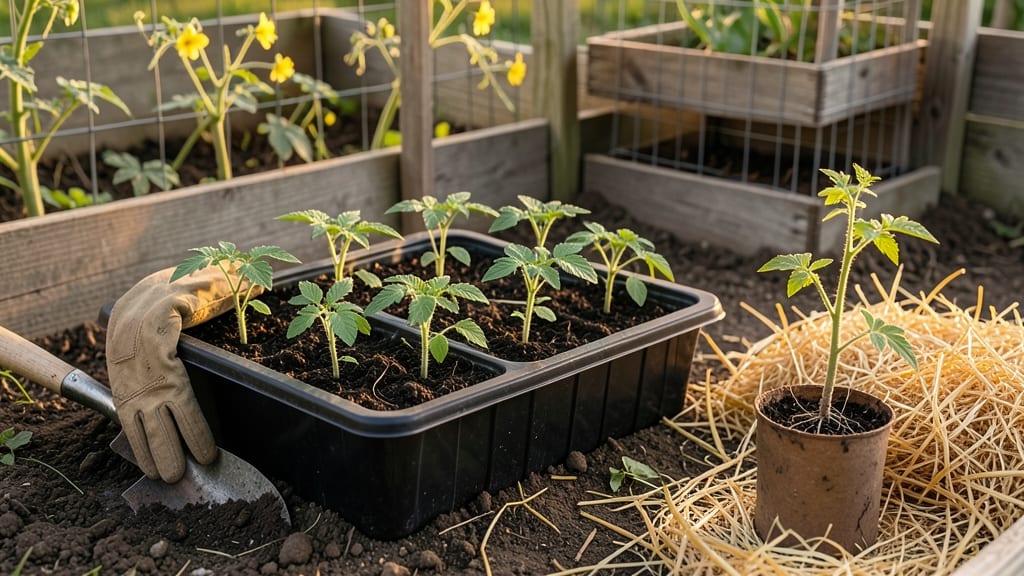
Planting your 🍅 tomatoes at the wrong time in Oklahoma can mean the difference between a garden full of ripe fruit and a sad, wilted disappointment.
The key to success isn't just waiting for spring—it's knowing your exact last-frost date for your county and matching it with varieties that thrive in Oklahoma's heat zones.
With USDA zones ranging from 6b to 8a, Oklahoma's climate offers both challenges and opportunities for tomato growers. I've spent years perfecting the timing, and what I'm about to share will help you avoid common mistakes that lead to stunted plants or early blight.
Whether you're a first-time gardener or a seasoned pro, these insights will give you the confidence to plant at the perfect moment.
We'll cover everything from soil temperature requirements to the best varieties for your specific zone, so you can start your tomatoes between mid-April and early June—just in time for a harvest that stretches from June to October. Ready to turn your garden into a tomato powerhouse? Let's get started.
You'll discover how to use county-specific frost dates to your advantage, which tomato types handle Oklahoma's summer heat best, and even how to extend your growing season with simple tricks. No more guessing—just a foolproof plan for the juiciest, most productive tomatoes you've ever grown.
Oklahoma last-frost dates by county: planting windows for tomatoes
Oklahoma’s last-frost dates vary dramatically across its 100+ counties, with northern regions like Woods County facing frost risks until April 20 while southern areas like Choctaw County often see their last frost by March 15.
These differences mean your planting window could shift by 4-6 weeks depending on where you live. Using county-specific data ensures you don’t plant too early and risk frost damage—or too late and miss Oklahoma’s 180-220 frost-free days for a full harvest.
For most Oklahoma gardeners, the safe planting window for tomatoes opens 2-4 weeks after your county’s last average frost date. This gives young plants time to establish roots before summer heat arrives.
For example, in Oklahoma City (USDA Zone 7b), where the last frost typically occurs around April 5, I start planting mid-April for early varieties and late April for heat-loving types like ‘Heatmaster’. In Tulsa (Zone 7a), I wait until April 15 to avoid late frosts.
Microclimates add another layer of complexity. Urban areas like Norman or Broken Arrow often experience warmer microclimates due to pavement and buildings, allowing for earlier planting by 1-2 weeks. Conversely, rural areas in Zone 6b (like Ponca City) may need to wait until May 1 for safety.
Always check local weather forecasts in late March to adjust your timeline.
Here’s how to use the USDA Plant Hardiness Zone Map to refine your timing: Start by identifying your Zone (6a-8a), then cross-reference with your county’s frost data.
For instance, Zone 7b (central Oklahoma) has a longer growing season than Zone 6a (northeast Oklahoma), so you can plant heirloom varieties like ‘Brandywine’ earlier in the former but should stick to early-maturing hybrids like ‘Better Boy’ in the latter to avoid bolting.
🌱 Oklahoma Last-Frost Dates & Tomato Planting Windows
| County | USDA Zone | Last Avg. Frost | Safe Planting Window | Notes |
|---|---|---|---|---|
| Choctaw (SE OK) | 8a | March 15 | March 30 - April 10 | Longest season; can plant early varieties |
| Oklahoma City | 7b | April 5 | April 15 - May 1 | Urban heat islands allow earlier planting |
| Tulsa | 7a | April 10 | April 20 - May 5 | Wait for soil to warm to 60°F |
| Woods (NE OK) | 6b | April 20 | May 1 - May 15 | Risk of late frosts; use row covers |
| Caddo (SW OK) | 8a | March 20 | March 25 - April 5 | Dry heat; mulch to retain moisture |
🌡️ Pro Tip: Use a soil thermometer to confirm soil temps are 60°F+ before planting—critical for seedling success.
If you’re growing heirloom tomatoes, which take 70-90 days to mature, aim to plant by mid-May in northern Oklahoma to avoid bolting. For hybrid varieties like ‘Early Girl’ (55-60 days), you have more flexibility and can plant as late as early June in Zone 6b.
Always account for your variety’s days to maturity when choosing a planting date—this ensures you’ll harvest before Oklahoma’s first frost in November.
For container gardening in Oklahoma, adjust your timeline by 1-2 weeks earlier since pots warm up faster than in-ground soil. Place containers in south-facing spots and use black plastic mulch to raise soil temperatures.
If you’re in Zone 7a or warmer, you can even attempt a fall planting of fast-maturing varieties like ‘Celebrity’ in early August for a late-season harvest.
Don’t rely solely on average frost dates—weather patterns shift yearly. I always check the Oklahoma Mesonet for real-time data in late March and early April. Sign up for local Cooperative Extension alerts to get frost warnings via email or text.
In my garden, I’ve lost entire ‘Cherokee Purple’ plants to unexpected late frosts, so I now use floating row covers as a precaution until mid-May in Zone 7b.
For succession planting, stagger your tomato plantings every 2-3 weeks from April through June. This ensures a continuous harvest from July through October.
In southern Oklahoma (Zone 8a), I plant ‘Sun Gold’ cherry tomatoes as late as June 15 for a fall crop, while in northern areas, I stick to early varieties planted by May 1.
Remember: Soil temperature matters more than air temperature. Tomatoes won’t germinate well in cold soil, even if daytime temps are warm. Use a soil thermometer to confirm 60°F+ before planting.
If your soil is too cool, consider using black plastic mulch or a cold frame to warm it up faster. In my Zone 7b garden, I’ve seen
Best tomato varieties for Oklahoma’s heat zones: early, mid, and late season Picks
Oklahoma’s USDA Zones 6b–8a mean you’ll need tomato varieties that handle 90°F+ heat without bolting, while also resisting fusarium wilt and early blight. The wrong pick can mean sad, shriveled fruit—so let’s focus on heat-tolerant, high-yielding varieties that thrive in your region.
For early spring plantings (Zone 6b areas like Enid or Altus), choose cold-tolerant varieties that mature in 55–65 days. In Zone 8a (like Tulsa or Lawton), prioritize heat-resistant types that handle 100°F+ without stress.
Here’s my top-tier variety breakdown for Oklahoma, ranked by heat tolerance, disease resistance, and yield potential:
Start with 'Heatmaster'—a heat-loving beefsteak that thrives in Zone 8a and resists cracking. For early harvests in cooler zones, 'Mountain Merit' (a cherry tomato) matures in just 65 days and handles light frosts better than most.
If you’re in Zone 7a/b (like Oklahoma City), 'Celebrity' is my go-to—it’s disease-resistant, high-yielding, and tolerates heat waves without wilting. For container gardening, 'Tiny Tim' (a dwarf variety) stays under 2 feet tall and produces all summer long.
Pro tip: Succession plant heat-tolerant varieties like 'Solar Fire' every 2–3 weeks from May to June to ensure a continuous harvest through October. Avoid large heirlooms like 'Brandywine' unless you’re in Zone 7a with afternoon shade—they struggle in 100°F+ heat.
For late-season extensions, try 'Super Sauce'—a paste tomato that ripens slowly and handles fall temperature drops better than most. Pair it with mulch to keep roots cool, and you’ll still be harvesting in November.