
Plants
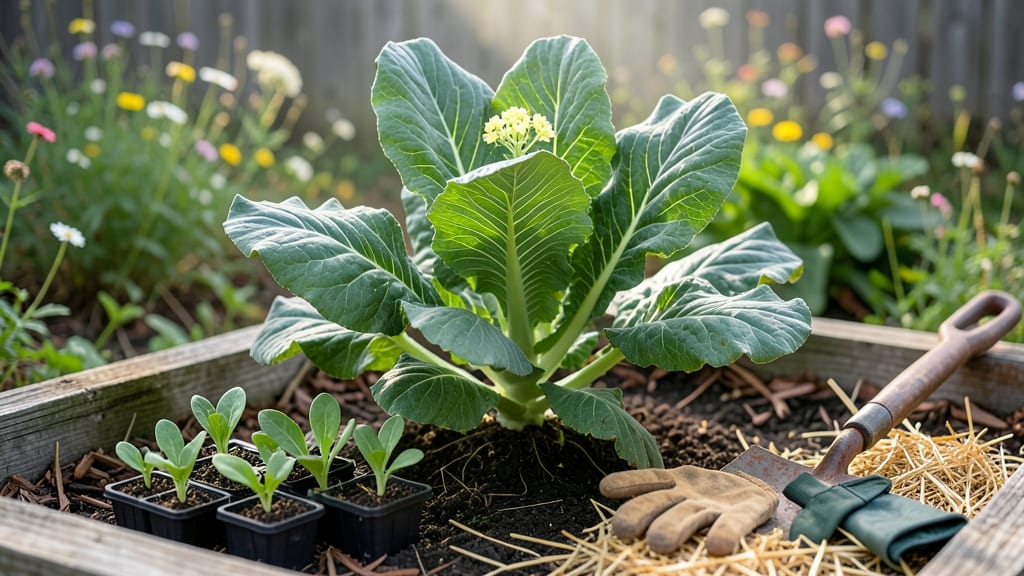
Planting collards 🥬 in North Carolina might seem straightforward, but getting the timing right is the difference between a bumper harvest and a bitter disappointment.
Unlike some crops, collards thrive in cool weather, so planting them too early or too late can leave you with tough, stringy leaves—or worse, no harvest at all.
If you’ve ever wondered why your collards bolted in the heat or wilted under early frost, the answer lies in understanding North Carolina’s unique growing zones and frost patterns.
From the Piedmont’s milder winters to the Coastal Plain’s extended growing season, each region has its own ideal window for planting these hardy greens.
In this guide, I’ll break down the exact months to plant collards in your specific part of the state—whether you’re in Raleigh, Charlotte, or the Mountains—plus how to stretch your harvest through succession planting.
No more guessing: just proven strategies for fall and spring plantings that work in NC’s climate.
Ready to grow collards that stay tender and flavorful? Let’s dive into the frost dates, soil prep, and planting tricks that’ll have your garden producing homegrown greens all winter long—even in Zone 7a.
North Carolina frost dates & best collard planting windows by region
North Carolina’s diverse climate zones mean collard planting times vary dramatically from the Coastal Plain to the Mountains. The state spans USDA zones 5A-8B, with frost dates shifting by weeks between regions.
For example, Raleigh (7B) averages its last frost around March 15, while Asheville (6B) holds onto frost until April 1. Coastal areas like Wilmington (8A) enjoy earlier starts, often by 2-3 weeks.
Collards thrive as a cool-season crop, but they also tolerate light frosts—making them perfect for fall planting. The ideal window is 4-6 weeks before your first frost date, ensuring mature leaves before winter.
In NC, this translates to late July through mid-August for most regions. Spring planting should begin as soon as soil warms to 40°F (around mid-March in zone 8B and late March in zone 7A).
For continuous harvests, many NC gardeners plant two batches: one in early spring and another in mid-summer. This strategy works because collards bolting risk increases when days grow too long—so timing your second crop to avoid June heat is key.
Use NC State Extension’s frost maps to pinpoint your exact zone and adjust accordingly.
Here’s how to align your planting with NC’s microclimates:
| Region | USDA Zone | Last Frost | Spring Planting | Fall Planting |
|---|---|---|---|---|
| Coastal Plain (Wilmington) | 8A-8B | March 1-15 | Feb 15 - Mar 15 | Jul 15 - Aug 15 |
| Piedmont (Raleigh) | 7B-8A | March 15-30 | Mar 1 - Apr 1 | Jul 1 - Aug 10 |
| Mountains (Asheville) | 6B-7A | April 1-15 | Apr 1 - May 1 | Jun 15 - Jul 15 |
| Charlotte | 7B-8A | March 20-25 | Mar 10 - Apr 5 | Jul 10 - Aug 10 |
If you’re in zone 8B (coastal), you can even experiment with winter collards—they’ll survive light frosts and taste sweeter after a 20°F dip. For higher elevations (zone 6B), focus on fall crops only unless you use row covers to extend the spring season.
Always check soil temperature with a probe; collards won’t germinate well below 40°F.
Pro tip: Direct sowing works best in NC’s warm soil, but transplants give you a head start. Buy 6-week-old seedlings from local nurseries in late February for spring planting.
For fall, start seeds indoors 6-8 weeks before your target date to avoid bolting. Harden off seedlings for 7-10 days before transplanting to prevent shock.
One common mistake in NC is planting too early in spring—cool soil and cabbage worms can devastate seedlings. Wait until soil reaches 50°F and use floating row covers if pests are a concern. In fall, late August plantings risk bolting before frost, so aim for July in most zones.
For maximum yield, pair collards with radishes or carrots—they thrive in the same conditions and deter pests. Mulch with straw or shredded leaves to retain moisture and regulate soil temp.
In humid NC summers, avoid overhead watering to prevent downy mildew. Drip irrigation is your best friend here.
🌱
How to extend your collard harvest: succession planting & fall strategies
North Carolina’s long growing season gives collards a second chance—fall plantings often yield the sweetest, most tender leaves. The key is timing: if you miss the spring window, don’t despair. With the right strategy, you can harvest collards until first frost in November—or even longer with protection.
For extended harvests, focus on two windows: late July to early August for fall crops and September succession plantings for a winter harvest. These timing adjustments let you beat the first hard frost (typically mid-November in most of NC) while avoiding summer’s heat stress.
🌱
Direct sowing vs. transplanting makes a big difference in fall success. For July/August plantings, I recommend transplants (4-6 weeks old) to give them a head start against late-summer pests. For September plantings, direct sowing works well—just keep soil temps above 50°F for germination.
Protecting young seedlings from late-season pests like cabbage worms is critical. Use floating row covers or apply neem oil every 7-10 days. In Zone 7B and warmer (e.g., Raleigh, Fayetteville), you can often harvest through December with minimal protection.
For winter harvests, choose cold-hardy varieties like 'Blue Max' or 'Vates'. These tolerate light frosts (20°F) and actually sweeten after frost. Just remember: mulch heavily (4-6 inches of straw) to protect roots from freeze-thaw cycles.
✂️