
Plants
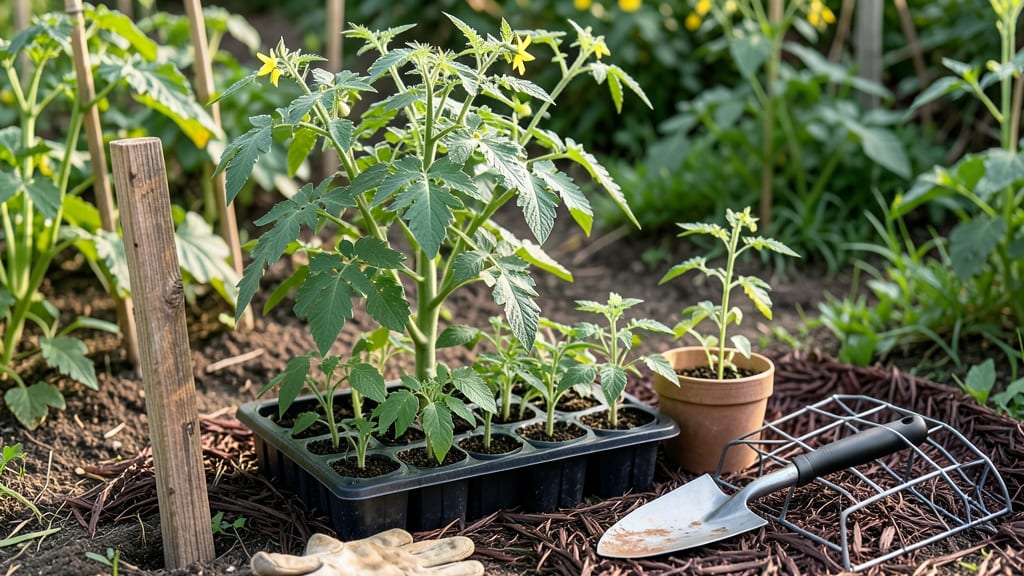
Planting tomatoes in Florida isn’t just about timing—it’s about beating the heat without sacrificing your 🍅 harvest. Unlike cooler climates, Florida’s frost-free zones (9a-11) let you grow year-round, but summer’s scorching sun can turn your plants into crispy snacks if you’re not careful.
Most gardeners know spring (January-March) is prime time, but did you know late summer (August-September) offers a second chance for a fall harvest? The key is starting seeds early or choosing heat-tolerant varieties that won’t bolt in the first real heatwave.
In this guide, I’ll break down the exact windows for North vs. South Florida, including soil temperature tricks and when to pull out shade cloth. Whether you’re a first-timer or a seasoned grower, these tips will help you avoid common pitfalls like blossom drop or sunscald.
Ready to turn your backyard into a tomato powerhouse? Let’s dive into the heat zone timeline that actually works for Florida’s unique climate.
Florida heat zone planting timeline for tomatoes: best months by region
Florida’s unique climate—spanning 11 heat zones (A1–B3)—lets you grow tomatoes nearly year-round, but timing is everything. Unlike northern states, Florida’s frost-free growing season means no traditional "last frost" date, but soil temperature and humidity still dictate your planting windows.
In North Florida (Zones 8a–9a), cooler winters allow early spring planting, while South Florida (Zones 10a–11) can grow tomatoes in every season with proper care.
For most Floridians, the ideal planting windows are January–March for spring harvests and August–September for fall yields. However, South Florida gardeners can plant tomatoes in December or even November for winter harvests.
The key is avoiding peak summer heat (June–July), when temperatures often exceed 90°F+, stressing plants and causing blossom drop or sunscald.
Here’s a breakdown of your region-specific planting timeline, including soil temperature thresholds and harvest expectations:
| Heat Zone | Best Planting Months | Soil Temp Threshold (°F) | Harvest Window | Key Considerations |
|---|---|---|---|---|
| A1–A2 (North FL) | Jan–Feb, Aug–Sep | 60°F+ | Mar–Jun, Oct–Dec | Cool winters; use shade cloth in summer |
| B1–B2 (Central FL) | Dec–Feb, Aug–Sep | 65°F+ | Feb–May, Sep–Nov | Humidity spikes in summer; mulch heavily |
| B3 (South FL) | Year-round (peak: Jan–Mar, Aug–Sep) | 70°F+ | Feb–Jun, Sep–Dec | No frost risk; focus on heat-tolerant varieties |
If you’re planting in North Florida (Zones 8a–9a), aim for January–February to avoid late-winter cold snaps, even though frost is rare.
For Central Florida (Zones 9b–10a), December planting is safe, but August–September is ideal for fall harvests before humidity drops. South Florida (Zones 10b–11) gardeners enjoy the most flexibility—plant in January–March for spring tomatoes or August–September for fall yields, with minimal risk of heat stress.
Pro tip: Use a soil thermometer to confirm temperatures are 60°F+ before planting. In North Florida, wait until soil warms to 65°F+ in spring to prevent stunted growth. For summer planting, focus on heat-tolerant varieties like ‘Heatmaster’ or ‘Solar Fire’ and provide afternoon shade to avoid sunscald.
For container gardening, adjust your timeline by 2–4 weeks earlier since potted soil warms faster. Place containers in full sun and water daily to maintain moisture.
If you’re growing heirloom varieties, start seeds indoors 6–8 weeks before transplanting to give them a head start in Florida’s competitive growing season.
Remember, Florida’s humidity and heat can accelerate tomato growth, so monitor plants closely for pests like aphids or diseases such as early blight. Rotate crops annually to prevent soil-borne issues, and always mulch with straw or black plastic to retain moisture and regulate soil temperature.
With the right timing, you can enjoy homegrown tomatoes every season—from sweet spring varieties to heat-resistant summer picks and robust fall harvests. Start with your zone’s best months, and adjust based on weather patterns for maximum success.
How to adjust tomato planting for Florida’s humidity and heat stress
Florida’s humidity and intense summer heat can turn your tomato plants into a disease magnet or cause blossom drop. The key is adjusting your approach based on microclimates—coastal areas stay muggier, while inland zones hit 100°F+ faster.
I’ve learned the hard way that ignoring these factors leads to stunted growth or fungal infections. Let’s fix that.
Start by monitoring soil temperature. Tomatoes thrive when soil hits 60°F+, but Florida’s summer soil can overheat to 105°F in exposed beds.
Use a soil thermometer—if it’s above 90°F, delay planting or use black plastic mulch to regulate temps. Morning planting (before 9 AM) reduces heat stress on seedlings.
Here’s the critical adjustment for Florida’s humidity: Water deeply but infrequently. Shallow watering encourages root rot in the 90% humidity we face. Instead, soak roots 1-2 feet deep every 2-3 days (daily in peak summer).
Use drip irrigation or soaker hoses to avoid wetting leaves—fungal spores thrive in damp foliage.
⚠️ Heat Stress Warning: 3 Signs Your Tomatoes Are Suffering
- Sunscald: White/yellow patches on sun-exposed fruit (common in Zone 10+). Fix: Use 30-50% shade cloth during 12-4 PM.
- Blossom Drop: Flowers fall off before fruiting (caused by temperature swings or drought stress). Fix: Mulch heavily and water consistently.
- Wilting Leaves: Even with wet soil, leaves droop (root damage). Fix: Reduce humidity with spaced plants and good airflow.
🌡️ Pro Tip: If temps hit 95°F+, move containers to shade or use whitewash paint on stakes to reflect heat.
For container growers, Florida’s heat adds extra challenges. Black pots absorb heat—switch to light-colored containers or wrap them in reflective bubble wrap. Elevate pots on bricks or cinder blocks to improve airflow.
If you’re in South Florida (Zones 10-11), succession plant every 2-3 weeks from August to November to avoid heat exhaustion in mature plants.
Don’t overlook mulching—it’s your secret weapon against Florida’s heat and humidity. Use 3-4 inches of straw or wood chips to retain moisture, cool roots, and suppress weeds.
In sandy soil (common in Central Florida), add compost to the mulch layer for extra nutrients. Avoid plastic mulch—it traps too much heat.
Finally, prune strategically. In Florida’s heat, over-pruning stresses plants, but light pruning improves airflow. Remove suckers (side shoots) only up to the first flower cluster to balance growth and fruiting. For determinate varieties (bush tomatoes), prune minimally—they handle heat better than indeterminate types.
With these adjustments, your tomatoes will thrive year-round—even in Florida’s sweltering summers. Start with shade cloth, deep watering, and mulch, and watch your plants outperform the heat. 🌿