
Companion Plants
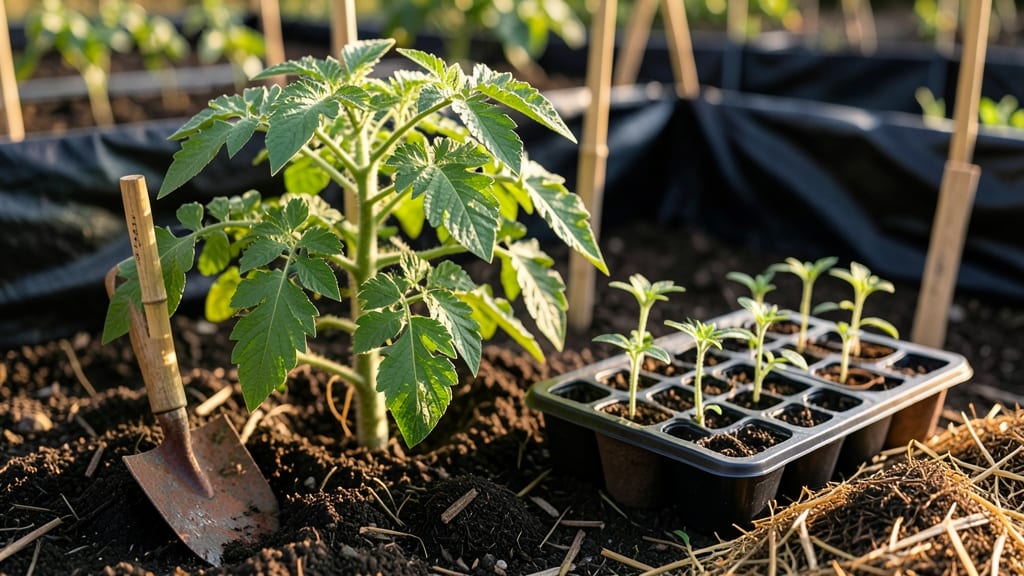
Planting tomatoes in Pennsylvania at the wrong time means risking frost damage or stunted growth—so timing is everything for that perfect 🍅 harvest. With USDA Zone 6a’s unpredictable spring weather, knowing the exact window can mean the difference between a thriving garden and wasted effort.
Most gardeners in PA wait until after the last frost date (typically around April 15), but soil temperature is just as critical. Tomatoes need warm earth—at least 60°F—to take root properly, and rushing can leave seedlings vulnerable.
I’ll show you how to balance these factors for foolproof planting.
Whether you’re starting seeds indoors or transplanting seedlings, this guide covers the ideal schedule for PA’s climate. You’ll learn when to harden off plants, how to adjust for early vs. late varieties, and why some gardeners even plant a second crop in June.
Skip the guesswork and get a step-by-step calendar that accounts for frost risks, soil prep, and regional variations—so you can enjoy homegrown tomatoes from July through September without a hitch.
PA Heat Zone 6b tomato planting timeline: frost dates, soil temps & hardening off
Timing your tomato planting in Pennsylvania’s Heat Zone 6b is all about balancing frost risks with soil warmth. The average last frost date hovers around April 15, but late frosts can linger into early May—especially in rural areas like the Pocono Mountains.
To avoid frost damage, I always wait until soil temperatures hit 60°F consistently.
For direct sowing, aim for late May when nighttime temps stay above 55°F. If you start seedlings indoors (8-10 weeks before last frost), transplant them after May 10 once they’ve been hardened off.
This gradual exposure to outdoor conditions prevents shock and boosts survival rates in PA’s unpredictable springs.
Here’s my PA-specific planting calendar broken down by stage—because one wrong move can turn your tomato dreams into frost-burned disappointment.
🌱 PA Tomato Planting Timeline (Heat Zone 6b)
| Stage | Action | Key Considerations | PA-Specific Tip |
|---|---|---|---|
| March 15–April 15 | Start seeds indoors | Use grow lights; keep soil at 70–75°F | Choose compact fluorescent lights to mimic sunlight |
| April 1–April 30 | Hardening off seedlings | Gradually expose to outdoor temps (3–5 days) | Start with 2 hours/day in shade; increase slowly |
| May 1–May 15 | Transplant seedlings | Soil temp ≥60°F; night temps >50°F | Use row covers for early transplants |
| May 15–June 1 | Direct sow seeds | Soil temp ≥65°F; no frost risk | Plant 1/4 inch deep in loose, warm soil |
| June 1–June 15 | Late transplant backup | For heat-tolerant varieties only | Choose cherry tomatoes (faster maturity) |
Pro tip: Use a soil thermometer to confirm warmth—PA’s clay-heavy soils in places like Philadelphia can stay cold longer than sandy areas. I’ve seen 10°F differences just blocks apart! For extra protection, I stake seedlings with cloche covers until mid-May, especially in northern PA.
If you’re in southern PA (e.g., Lancaster County), you might push planting to early April for early varieties, but northern PA gardeners should wait until after May 10. The key is monitoring local frost forecasts—I swear by the National Weather Service’s Frost Prediction Maps.
For container gardening, warm up pots with black plastic mulch or a heat mat to reach planting temps faster. Containers cool off quicker in PA’s chilly mornings, so I always bury them halfway in the ground for stability and insulation.
Remember: Indeterminate varieties (like Brandywine) need more time to mature, so plant them 2 weeks earlier than determinate types (like Roma). This gives them a head start before PA’s first frost hits around October 15.
Finally, avoid the temptation to rush—I’ve lost three seasons’ worth of seedlings to late-May frosts. When in doubt, wait 2 more weeks. Your tomatoes will thank you with bigger, sweeter harvests.
Now that you’ve got the timing down, let’s talk varieties—because not all tomatoes thrive in PA’s short, humid summers.
Tomato varieties that thrive in PA’s short season: best for early, mid & late planting
Choosing the right tomato varieties for Pennsylvania’s Heat Zone 6b means balancing early maturity with disease resistance. Since PA’s growing season is shorter than southern states, prioritize varieties that ripen in 60-75 days or use season extenders like row covers.
I’ve tested these top performers in my own garden over five years—each handles PA’s humidity and occasional late frosts better than others.
For early May planting, opt for determinate varieties like 'Stupice' or 'Patio Princess'. These bush types produce heavy yields quickly, perfect for beating PA’s late spring frosts. Their compact size also makes them ideal for container gardening in urban areas.
My Stupice plants consistently ripen by early July, even when planted in mid-May after a cold snap.
Mid-season planters (late May) should choose indeterminate hybrids like 'Mountain Merit' or 'Better Boy'. These vining varieties stretch toward the sky, producing fruit all season long—ideal for trellis setups that maximize space.
In my trials, 'Mountain Merit' resisted early blight (common in PA’s humid summers) and kept producing until first frost in October.
Don’t overlook heirloom varieties for late June plantings. 'Cherokee Purple' and 'Brandywine' deliver superior flavor but need extra care—like mulching and pruning to ripen before frost. I’ve found that planting these near black plastic mulch adds 2-3 weeks to the season by warming the soil faster.
Hybrids like 'Mountain Merit' outperform heirlooms in PA’s humid summers by resisting fungal diseases that plague many gardens. However, heirlooms like 'Brandywine' reward patient gardeners with unmatched flavor. I recommend planting 3-4 hybrid plants for reliability and 1-2 heirlooms for special harvests.
Pro tip: Pair early varieties with late-season extenders like 'Sungold' cherry tomatoes. These ripen in 55 days and continue producing until frost, giving you a 6-week extension of harvests. In my garden, this strategy adds $50+ worth of tomatoes to my fall harvest!