
Plants
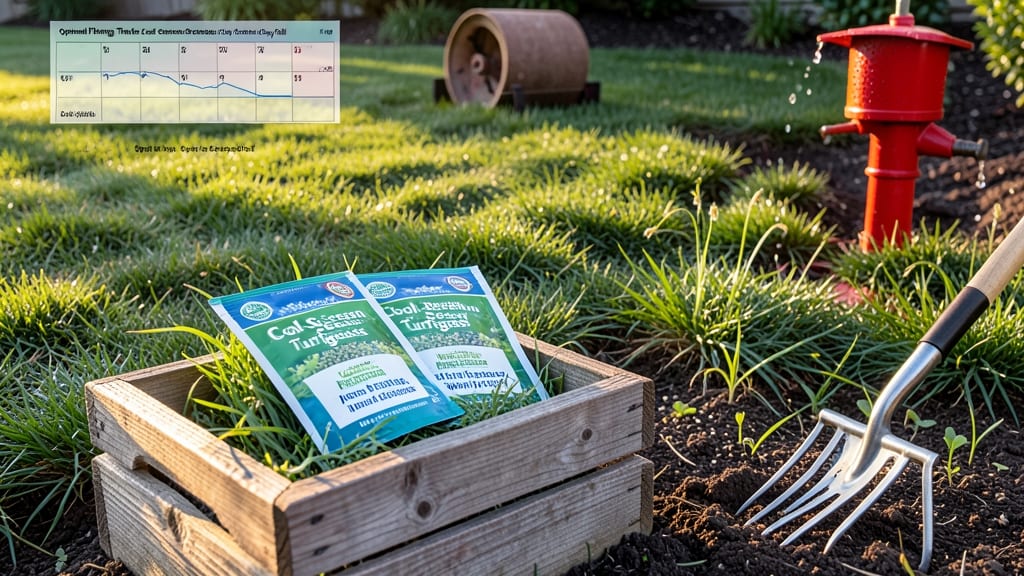
Timing your grass seed planting in Minnesota isn't just about the calendar—it's about beating the frost while giving your 🌱 roots the perfect chance to take hold.
With last frosts creeping in as late as mid-April in northern zones, and first frosts arriving by October, you've got a tight window to get it right.
Planting too early means risking frost damage to tender seedlings, while waiting too long can leave your lawn vulnerable to summer weeds. The key is understanding your local frost-free timeline and soil temperatures—both of which vary dramatically from the Twin Cities to the Iron Range.
I'll walk you through the exact planting windows for Minnesota's climate zones, plus soil prep tips that actually work in our heavy clay and unpredictable weather.
Whether you're tackling a new lawn or overseeding an existing one, these strategies will help you avoid common mistakes and grow grass that survives our winters.
Ready to transform your yard? Let's dive into the best months, seed varieties, and care routines that'll give you that lush, resilient lawn Minnesota homeowners dream about—without the guesswork.
Minnesota’s ideal grass seed planting windows: frost-free zones and soil temperatures
Timing your grass seed planting in Minnesota is all about soil temperatures and frost-free windows. The state’s USDA zones 3b-5b mean your planting schedule should align with local frost dates, which vary dramatically from northern Minnesota to the Twin Cities metro.
For most regions, the ideal planting window is either early spring (April) or early fall (September), when soil temperatures hover between 50-65°F.
Cool-season grasses like Kentucky bluegrass and fescue thrive when planted in these windows. In southern Minnesota, where last frosts typically arrive by mid-April, you can start as early as late March.
Meanwhile, in northern Minnesota, wait until late April to early May to avoid frost damage to tender seedlings.
Fall planting offers a second chance, especially in September, when soil remains warm enough for germination but temperatures drop before winter. Aim to plant 4-6 weeks before the first frost, which usually hits mid-October in most areas. This timing ensures roots establish before dormancy sets in.
🌱
| Region | Spring Planting Window | Fall Planting Window | Soil Temp Requirement |
|---|---|---|---|
| Southern MN (Zones 4b-5b) | Late March - Early May | Mid-August - Mid-September | 50-65°F |
| Central MN (Zones 4a-4b) | Early April - Mid-May | Late August - Early September | 50-65°F |
| Northern MN (Zones 3b-4a) | Late April - Early June | Early September - Mid-October | 55-65°F |
| Twin Cities Metro | Mid-April - Early May | Late August - Early September | 50-60°F |
To check your local frost dates, use the USDA Plant Hardiness Zone Map or resources like the Minnesota Department of Agriculture. For urban areas, microclimates can delay frost by 1-2 weeks, while rural or elevated regions may experience earlier frosts.
Always verify with a soil thermometer—planting when soil reaches 50°F ensures strong root growth.
Early spring planting requires patience: seedlings may struggle if nighttime temperatures dip below 40°F. For faster germination, consider mulching with straw to retain heat and moisture. In contrast, fall planting benefits from cooler air temperatures, which reduce weed competition and stress on young grass.
One common mistake is planting too early in spring, when soil is still cold and frosts linger. Seedlings may sprout but then die back, wasting your effort.
Conversely, planting too late in fall risks seedlings not establishing roots before winter dormancy. Aim for that sweet spot of 6-8 weeks before the first frost.
For northern Minnesota, where growing seasons are shorter, focus on fast-germinating varieties like perennial ryegrass, which can establish in 10-14 days. In southern regions, you have more flexibility to experiment with fine fescue blends, which offer better shade tolerance and drought resistance.
🌿
Pro tip: If you’re unsure about your local frost dates, set a reminder for mid-April to test your soil. Use a soil thermometer (available at garden centers) to confirm temperatures are consistently above 50°F before planting.
This small step can mean the difference between a thin, patchy lawn and a lush, resilient turf.
How to prepare Minnesota soil for grass seed: pre-planting steps to avoid common mistakes
Minnesota’s clay-heavy soils and unpredictable frost can sabotage grass seed germination if you don’t prep properly. The key? Testing soil pH (6.0-7.5) and removing weeds before planting—skipping these steps means battling competition and poor root growth from day one.
Start by testing your soil 4-6 weeks before planting using a DIY kit or local extension office. Minnesota’s northern regions often have acidic soils, while southern areas may need lime to raise pH. Adjusting now prevents nutrient lockout later.
Planting too early (soil temps below 50°F) causes seeds to rot. Wait until consistent daytime temps reach 55-65°F—use a soil thermometer to confirm. Northern MN should wait until late April/early May, while southern MN can start in March/April.
Clear existing vegetation with glyphosate (3-4 weeks before planting) or manual removal. Minnesota’s perennial weeds like quackgrass thrive in disturbed soil—smother them first with cardboard or black plastic for 4 weeks. Rake away debris to expose fresh topsoil for seed contact.
Loosen soil to a 4-inch depth using a rototiller or broadfork. Avoid over-tilling—Minnesota’s clay soils compact easily. Mix in 2-3 inches of compost to improve drainage and organic matter. For sandy soils, add peat moss to retain moisture.
Level the soil with a rake or lawn roller to create a smooth seedbed. Press seeds lightly into soil (¼ inch deep max) for consistent germination. In windy MN areas, use a straw mulch layer to hold seeds in place until sprouting.
Water lightly daily (not deeply) until seeds sprout—keep soil moist but not soggy. Once grass reaches 3 inches tall, reduce to 1-1.5 inches per week. Avoid walking on new seedlings for 4-6 weeks to prevent root damage.