
Plants
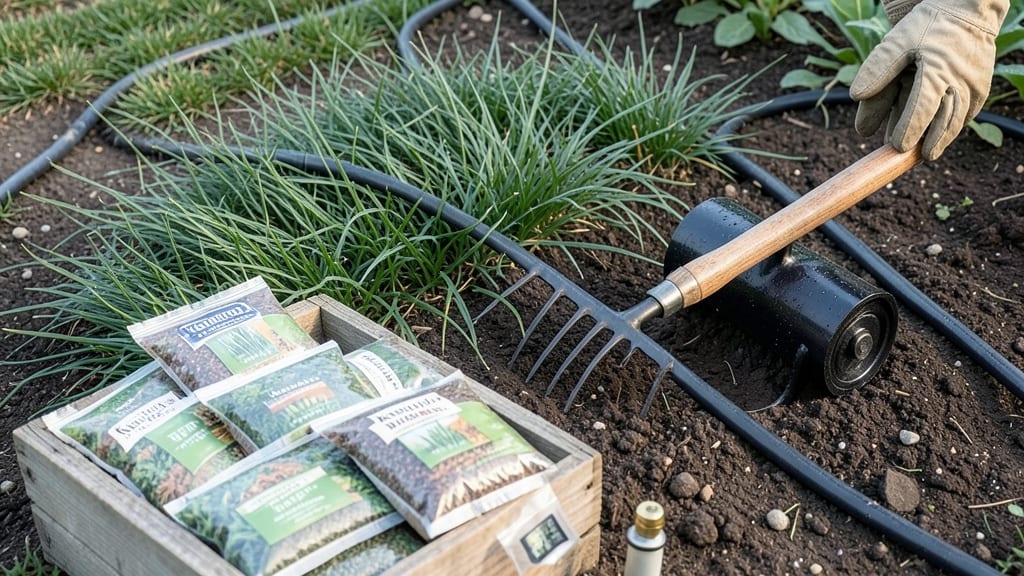
Planting grass at the wrong time in spring can leave you staring at bare soil for weeks—or worse, a lawn that never quite takes hold.
The exact window to plant 🌱 depends on your USDA zone, but getting it right means the difference between a thick, green carpet by summer and a frustrating patchwork of dirt and weeds.
Most gardeners assume "spring" is a broad enough term, but the truth is far more precise. In Zone 6a (like much of the Midwest), you should aim for 4–6 weeks before your last frost—typically mid-March to early April—when soil temperatures climb above 50°F but haven’t yet hit 75°F.
This narrow window gives seeds time to germinate without the risk of frost damage.
Why does timing matter so much? Cool-season grasses (like Kentucky bluegrass) need consistent moisture and cooler air to establish roots, while warm-season types (like Bermuda) thrive when the ground warms up.
I’ll break down the exact week-by-week schedule for your zone, plus how to prep your soil for success—so you can skip the guesswork and start enjoying that lush lawn sooner.
Even if you’ve planted before, there’s a common mistake most people make that sabotages their efforts. Let’s fix that first—so you can plant with confidence and watch your lawn transform in just a few weeks.
Spring grass planting timeline by USDA zone: exact weeks to plant cool-season vs warm-season grass
Planting grass at the right time in spring sets the stage for a thick, healthy lawn all season. The key is understanding your USDA zone and whether you're planting cool-season or warm-season grass.
Cool-season types like Kentucky bluegrass and tall fescue thrive when soil temps are 50–65°F, while warm-season grasses like Bermuda and Zoysia need 65–75°F soil.
Most gardeners in the Northern US (Zones 3–6) should plant cool-season grass 4–6 weeks before the last frost date. For the Southern US (Zones 7–10), warm-season grasses are best planted in late spring after soil warms consistently. Let’s break it down by zone to pinpoint your exact planting window.
| USDA Zone | Cool-Season Grass (Best Time) | Warm-Season Grass (Best Time) | Soil Temp Threshold | Last Frost Date |
|---|---|---|---|---|
| Zones 3–4 | Mid-April to early May | Late May to June | 50–60°F | Mid-May |
| Zones 5–6 | Late March to April | Early May to June | 55–65°F | Early April |
| Zones 7–8 | September–October (fall) | April–May | 65–75°F | Mid-March |
| Zones 9–10 | N/A (fall only) | March–April | 70–80°F | January–February |
For example, if you’re in Zone 6, aim to plant cool-season grass between late March and April, about 4–6 weeks before your last frost. Use a soil thermometer to confirm temps are above 50°F—this prevents seed from rotting in cold soil.
In Zone 9, warm-season grasses like St. Augustine should go in by March when soil hits 65°F.
Pro tip: Check your local extension office for precise frost dates. Even within a zone, microclimates (like hilltops or valleys) can shift planting by 1–2 weeks.
If you’re unsure, err on the side of planting later—grass seeds won’t sprout in freezing soil, but they can handle brief cool snaps after germination.
Once you’ve nailed the timing, focus on soil prep. Loosen the top 4–6 inches of soil, remove debris, and level the area. A light raking creates ideal seed-to-soil contact for even germination.
For best results, water lightly daily (about ¼ inch) until the grass reaches 2–3 inches tall.
Remember, warm-season grasses planted too early will struggle in cooler temps, while cool-season types planted too late may not establish before summer heat. Adjust for rainfall patterns too—drought-prone areas may need overseeding in fall for better coverage.
If you’re in a transition zone (Zones 6–7), consider planting cool-season grass in fall and warm-season grass in spring for year-round green. This two-step approach ensures your lawn stays vibrant regardless of seasonal shifts.
For northern exposures, plant 1–2 weeks earlier than the table suggests, as these areas stay cooler longer. Southern exposures can delay planting by 1 week since they warm faster. Always monitor 7-day forecasts for frost warnings after planting.
Now that you’ve got your zone-specific timeline, the next step is verifying your soil’s readiness. Check for pH balance (6.0–7.5), drainage, and moisture retention—these factors can override even the perfect planting date.
5 Critical factors that determine the best week to plant grass in your region
Planting grass at the wrong time can leave you with patchy growth or even total failure. Beyond checking your USDA zone, five key factors will help you pinpoint the perfect week to plant in your area.
These variables often override broad zone guidelines, so pay close attention to your local conditions.
First, the last frost date is your starting point—cool-season grasses like Kentucky bluegrass need to go in 4-6 weeks before the final frost, while warm-season types like Bermuda grass thrive when soil warms to 65°F+. Check your local weather averages (not just zone maps) for accuracy.
🌱
Cool-season grasses: 50–65°F
Warm-season grasses: 65–75°F
Plant 4–6 weeks before the average last frost for cool-season types.
Aim for 1 inch of rain weekly or supplement with irrigation.
South-facing slopes warm faster; north-facing areas stay cooler longer.
Ideal pH: 6.0–7.5. Test and amend before planting.
Your local microclimate can shift planting windows by 2–4 weeks. For example, a south-facing yard in Zone 5 might be ready 2 weeks earlier than a north-facing one. Use a soil thermometer ($10 at garden centers) to confirm temperatures—this is more reliable than guessing.
Rainfall is another game-changer. If your spring is typically dry, schedule planting for April or early May when rains increase. In arid regions like Arizona or Nevada, irrigation schedules may dictate planting in late spring to avoid drought stress.
Finally, soil preparation can’t be overlooked. Compacted or cold soil will stunt germination, so loosen the top 4–6 inches and wait until the ground feels warm to the touch. A simple trick: press your hand into the soil—if it’s cool but not icy, it’s likely ready for seeding.
By combining these five factors, you’ll narrow down the exact week to plant grass in your yard—no more guesswork. Start with your last frost date, then adjust for soil temp, rainfall, and microclimates. Your lawn will thank you with faster, fuller growth from day one! ✂️