
Plants
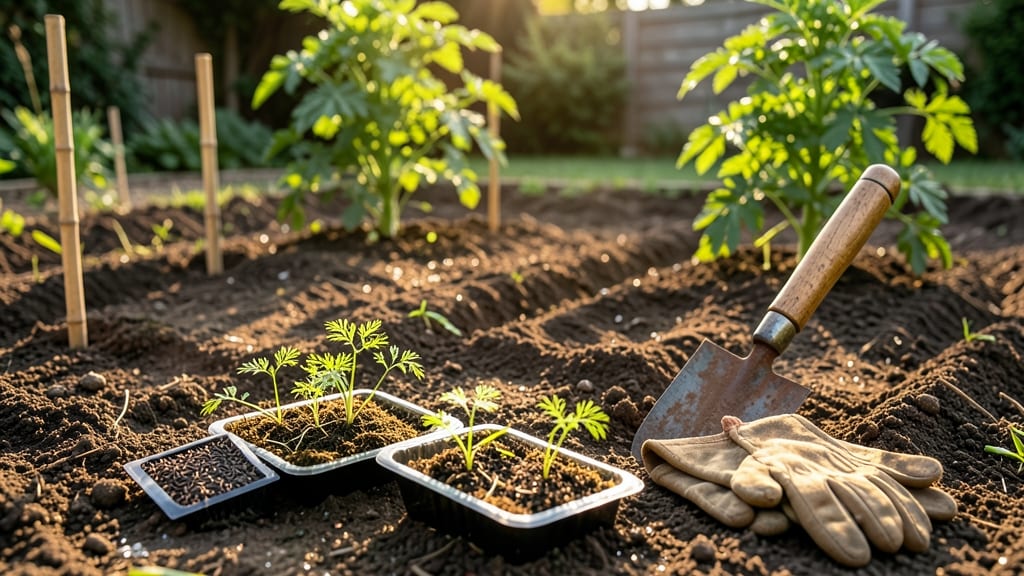
If your 🥕 carrots keep turning bitter or stunted in Zone 7a, you might be planting them at the wrong time—here’s the exact schedule to finally grow those sweet, crisp roots you crave.
Zone 7a’s unpredictable spring frost and summer heat make timing everything. Plant too early, and your carrots bolt before reaching full size. Too late, and they’ll struggle with heat stress. The key is knowing when soil warms to 50°F—that’s your green light to start seeds.
For spring plantings, aim for 4-6 weeks before your last frost date (typically mid-March). But don’t stop there—fall plantings in late July can extend your harvest until November. I’ll show you how to adjust for your specific microclimate, whether you’re in the Piedmont or Appalachians.
Ready to unlock perfect carrots every season? Let’s break down the exact weeks to plant, soil prep secrets, and how to avoid common pitfalls—so you’re harvesting crisp, flavorful roots in no time.
Best planting windows for carrots in Zone 7a: weeks before last frost explained
In Zone 7a, timing is everything when growing crisp, sweet carrots. The last average frost date for most areas falls around March 15, but soil temperature matters more than air temperature.
Carrot seeds need soil to warm to at least 50°F (10°C) before planting—cold soil causes slow germination or rot.
For spring plantings, aim to sow seeds 4-6 weeks before your last frost. In Zone 7a, that means mid-February to early March. This gives carrots 70-80 days to mature before summer heat stresses them.
A second planting in late July to early August ensures a fall harvest before the first frost in mid-November.
Here’s the critical detail: Carrots planted too early in cold soil may rot, while those planted too late in hot soil often bolt (flower prematurely), turning bitter.
Zone 7a’s variable spring temperatures make this timing tricky—especially in regions like the Piedmont or Southern Appalachians, where nights stay chilly longer.
To nail the perfect planting window, use a soil thermometer—not just an air thermometer. In my Zone 7a garden, I’ve found that March 1st is the safest bet for spring plantings, but I always test soil temps first.
If it’s below 50°F, I wait another week or use black plastic mulch to warm the soil faster.
For fall carrots, focus on late July plantings to avoid the August heat spike that triggers bolting. In my experience, Danvers varieties handle heat slightly better than Nantes, but neither loves temperatures above 80°F (27°C). Shade cloth can help if your summer stretches into 90°F+ (32°C+).
Pro tip: Succession planting every 2 weeks from March to July gives a continuous harvest. Even if your first planting bolts, later ones will still produce. Just avoid planting after July 15—carrots need 60+ days to mature, and frost hits by mid-November in Zone 7a.
Remember, carrots hate disturbed soil. Work in 2 inches of compost before planting and avoid tilling after seeds go in. In my garden, I use a straw mulch to keep soil moist and prevent forked roots from uneven moisture.
If you’re in a cooler microclimate (like higher elevations in the Appalachians), push spring plantings to early April. Warmer microclimates (like urban heat islands) can start as early as late February. Always check your local frost dates—they can vary by 1-2 weeks even within Zone 7a.
For container growing, plant in 12-inch-deep pots and use a lightweight potting mix. Containers warm up faster, so you can plant 1-2 weeks earlier than in-ground. Just ensure pots get full sun—carrots need 6-8 hours daily to stay sweet.
Start with small batches if you’re new to carrots in Zone 7a. Test your soil’s drainage and texture—carrots need loose, rocky-free soil. If your soil is heavy clay, mix in sand or coconut coir to prevent forking.
My first year, I planted in raised beds filled with 50% compost, and the difference was night and day.
Best planting windows for carrots in Zone 7a: weeks before last frost explained
In Zone 7a, timing your carrot plantings to align with soil temperatures and frost dates is the secret to crisp, sweet harvests. The ideal window starts when soil reaches 50°F—that’s your cue to sow seeds.
For most of Zone 7a, this falls between mid-March and early April for spring plantings, and again in late July for fall harvests.
Miss this window, and you risk bolting (premature flowering) or stunted growth from heat stress. For example, planting too early in cold soils can delay germination by weeks, while late spring plantings may not mature before summer’s peak heat. Let’s break down the exact weeks and soil conditions for success.
🌱 Zone 7a Carrot Planting Schedule
| Season | Planting Window | Soil Temp | Weeks Before Last Frost | Harvest Window |
|---|---|---|---|---|
| Spring | Mid-March to early April | 50°F+ | 4-6 weeks | June to August |
| Fall | Late July to early August | 60°F+ | 10-12 weeks before first frost | October to November |
For spring plantings, aim to sow seeds 4-6 weeks before your last frost date (typically mid-March in Zone 7a). Use a soil thermometer to confirm temperatures—carrot seeds won’t germinate below 50°F. In cooler microclimates (like the Appalachians), start seeds indoors 2-3 weeks earlier for a head start.
Fall plantings require more precision. Sow seeds in late July to ensure harvest before the first frost (usually mid-November). This timing balances heat tolerance and frost risk, giving carrots 80-90 days to mature. Use shade cloth in August to protect seedlings from extreme heat.
Pro tip: In Zone 7a, succession planting every 2 weeks from March to June keeps your harvest continuous. For fall, a single late-July planting is often enough, but check your local frost dates—some years allow for a second planting in early August.
Remember, soil type matters. Carrots need loose, well-draining soil to prevent forking. Amend heavy clay with compost or sand before planting. If your soil stays cold or wet, consider raised beds for warmer, faster germination.