
Plants
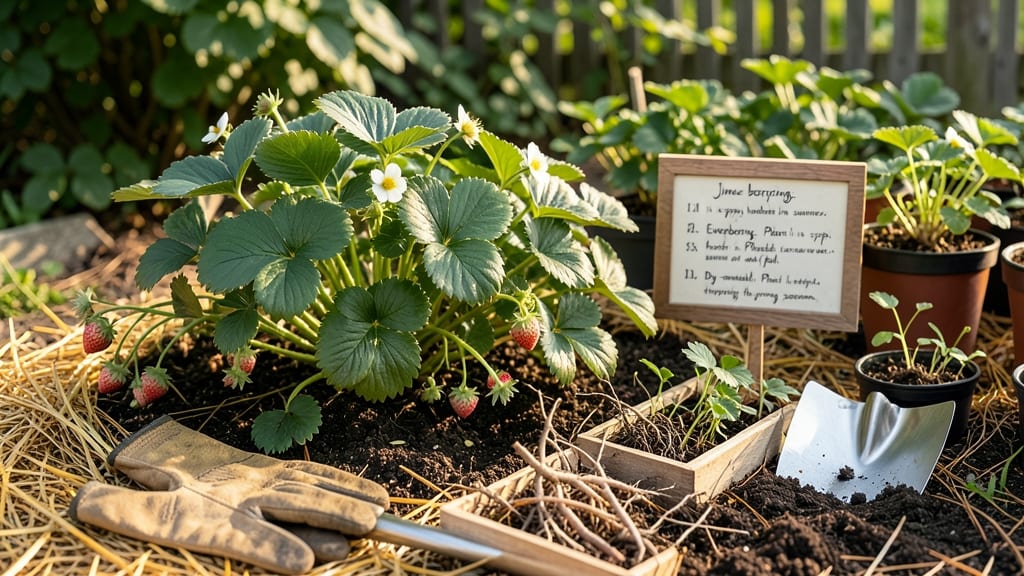
Planting strawberries in Zone 8 at the wrong time can mean the difference between a juicy, bountiful harvest and a disappointing patch of leaves. The key window opens in early spring or late summer—but timing matters more than you might think, especially when balancing frost dates and berry production cycles.
I’ve learned that Zone 8’s mild winters actually give you two prime chances to plant 🍓 strawberries: February-March for spring harvests or August-September for fall fruiting. Each season has its advantages, like avoiding pests or giving plants time to establish roots before winter.
Let’s break down the exact weeks to plant for maximum sweetness.
Whether you’re working with bare-root plants or potted varieties, the goal is the same: get those roots settled 4-6 weeks before the last frost (around March 15 in most of Zone 8). This ensures your strawberries have time to grow strong before the heat of summer—or the chill of winter—arrives.
Ready to grow strawberries that taste like summer all year? I’ll walk you through the best planting strategies, soil prep, and even which varieties thrive best in Zone 8’s climate. Let’s get those berries growing!
Zone 8 strawberry planting timeline: exact weeks before last frost
Zone 8 gardeners enjoy a longer growing season than many regions, but timing is everything for strawberries. Planting too early exposes young plants to unpredictable cold snaps, while waiting too long risks summer heat stress.
The ideal window focuses on soil temperatures and frost dates to ensure robust root establishment before fruiting.
Most of Zone 8's last frost occurs around March 15, but microclimates can shift this by 2-3 weeks. For June-bearing varieties, aim to plant 6-8 weeks before your last frost date—typically late January to early February.
This gives roots time to establish before active growth begins in spring.
For everbearing and day-neutral varieties, late summer planting (late August to early September) works best. These varieties benefit from established roots before winter, allowing them to fruit early the following spring and again in fall.
| Planting Window | Variety Type | Soil Temp Requirement | Key Benefit |
|---|---|---|---|
| Late January - Early February | June-bearing | 45-55°F (7-13°C) | Maximizes spring harvest |
| Late August - Early September | Everbearing/Day-neutral | 60-70°F (15-21°C) | Establishes roots for fall/winter harvest |
| Early March (bare-root only) | All types | 50-60°F (10-16°C) | Avoids late frost damage |
Soil temperature is critical—strawberries need consistent warmth to thrive. Use a soil thermometer to confirm temps are above 50°F (10°C) before planting. In Zone 8's mild winters, early spring planting often succeeds, but late winter cold snaps can still occur.
For bare-root plants, soak roots in water for 1-2 hours before planting to reduce transplant shock. Space plants 12-18 inches apart in rows 2-3 feet apart for airflow. This spacing prevents fungal diseases and makes harvesting easier.
Mulching with straw or wood chips after planting retains moisture and regulates soil temperature. In Zone 8's heat, mulch also protects shallow roots from summer drought stress. Remove mulch in late winter to allow soil to warm for spring growth.
Everbearing varieties like 'Seascape' or 'Albion' produce fruit in two cycles: early summer and fall. Planting them in late summer ensures they establish roots before winter, then fruit earlier the next spring and again in fall.
June-bearing varieties like 'Chandler' or 'Jewel' focus energy on one massive spring harvest. Plant them 6-8 weeks before last frost to align fruiting with peak daylight hours in spring, which boosts sugar production.
Always check your local frost dates—they can vary by 10-14 days even within Zone 8. Use resources like the National Weather Service or local Cooperative Extension offices for precise data tailored to your microclimate.
Zone 8 strawberry planting timeline: exact weeks before last frost
Zone 8 gardeners enjoy a longer growing season, but timing is everything when planting strawberries. The last average frost date in most of Zone 8 falls around mid-March, but soil temperatures matter more than air temps.
Aim to plant 6-8 weeks before your last frost for spring planting, or 6-8 weeks before first frost in late summer for fall planting.
For June-bearing varieties, focus on late winter (February-March) planting to align with their spring fruiting cycle. Everbearing and day-neutral varieties, however, thrive with fall planting (August-September) to produce berries in both spring and fall. This dual harvest extends your season and maximizes yield.
Soil temperature is your best guide—wait until soil reaches 40°F (4°C) for spring planting or 60°F (15°C) for fall. Use a soil thermometer to avoid planting too early when roots can’t establish properly. Cold soil slows root growth, while warm soil encourages pests like slugs.
| Planting Window | Variety Type | Soil Temp | Weeks Before Frost |
|---|---|---|---|
| February-March | June-bearing | 40°F (4°C) | 6-8 weeks |
| August-September | Everbearing/Day-neutral | 60°F (15°C) | 6-8 weeks |
Ever wonder why some gardeners swear by fall planting? Strawberries planted in late summer establish roots before winter, then burst into growth in spring. This head start means earlier fruiting and often larger berries. Plus, fall-planted strawberries face fewer pests since many insects are dormant by September.
For bare-root plants, soak roots in water for 1-2 hours before planting to revive them. If using potted strawberries, gently remove the container and tease apart roots to prevent circling. Both methods should be done within 1-2 weeks of purchase to avoid transplant shock.
Pro tip: Mark your planting dates on a garden calendar to track progress. Strawberries need 4-6 weeks to establish roots before producing flowers. Rushing this process leads to weak plants and poor yields. Patience pays off with juicy, sweet berries all season long!