
How To
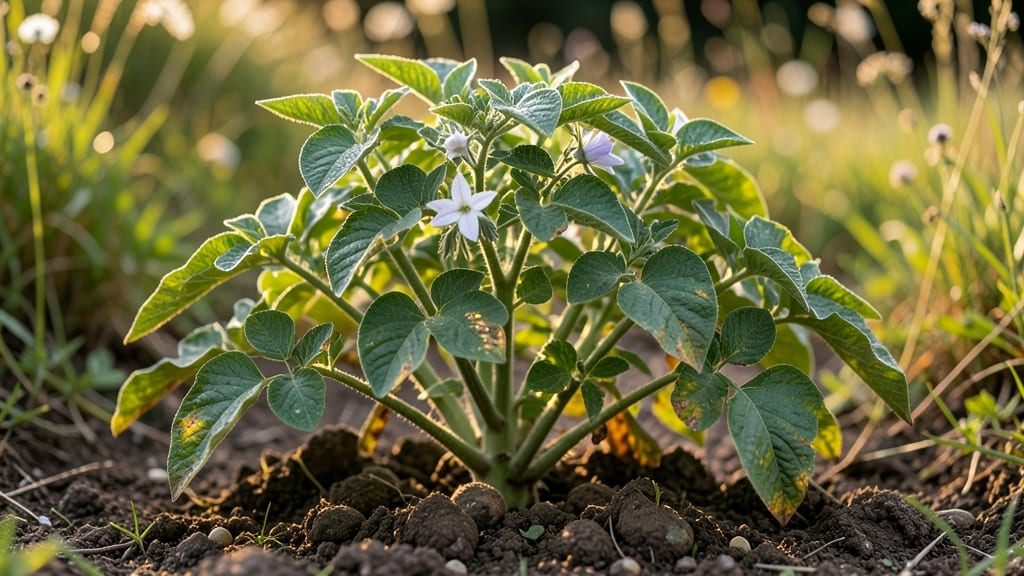
Potato plant height by variety: from dwarf to towering types
When planning your potato patch, knowing how tall your plants will grow is crucial for spacing, staking, and even choosing the right variety. Potato plants typically range from 1 foot to 3 feet tall at maturity, but this varies dramatically between types.
Understanding these differences helps you maximize yield and garden efficiency.
Ultra-dwarf varieties like ‘Rocket’ or ‘Yukon Gold’ stay under 12 inches, making them perfect for containers or small spaces. On the other end, standard varieties such as ‘Russet’ or ‘Idaho’ can reach 2-3 feet, requiring more room and support.
The right choice depends on your garden layout and growing goals.
Here’s how potato varieties break down by height, along with their ideal growing conditions:
| Variety Type | Height Range | Best For | Sun Needs | Spacing |
|---|---|---|---|---|
| Ultra-Dwarf | 6–12 inches | Containers, small gardens | Full sun | 8–12 inches apart |
| Dwarf | 12–18 inches | Raised beds, tight spaces | Full sun | 12–18 inches apart |
| Medium | 18–24 inches | Standard gardens, trellises | Full sun | 18–24 inches apart |
| Tall | 24–36 inches | Large plots, staking | Full sun | 24–36 inches apart |
For example, ‘Red LaSoda’ (a medium-height variety) thrives in 18–24 inches of space, while ‘Kennebec’ (a tall variety) needs 30+ inches to avoid crowding. Always check seed packets for variety-specific details, as even within categories, heights can vary.
Soil type also influences height. Sandy soils encourage faster, taller growth, while clay-heavy soils may stunt plants. Amending your soil with compost ensures balanced nutrition, helping plants reach their ideal height without overreaching.
If you’re growing in containers, opt for ultra-dwarf or dwarf varieties like ‘Adirondack Red’, which max out at 12 inches. These work beautifully in 5-gallon buckets or window boxes, provided you use well-draining soil and fertilize lightly.
For taller varieties, consider staking or caging to prevent lodging (when plants flop over). A simple tomato cage or bamboo stakes work well, giving plants the support they need to grow vertically without sprawling.
Height isn’t just about space—it also affects tuber yield. Taller plants often produce more tubers, but only if given proper care. Overcrowding or poor soil can lead to stunted growth, even in tall varieties.
Pro tip: If you’re short on space, choose early-maturing dwarf varieties. They reach harvest size faster, allowing you to replant the area for a second crop of shorter plants like lettuce or radishes.
Always monitor your plants’ growth habits. If a dwarf variety starts stretching beyond 18 inches, it may need more sunlight or nutrients. Adjust your care routine accordingly to keep them compact and healthy.
How potato plant height affects your garden layout and harvest
Understanding how tall your potato plants grow isn’t just about aesthetics—it directly impacts your garden’s spacing, yield potential, and even disease prevention. Taller varieties like Russet Burbank can reach 3 feet or more, while dwarf types like Red Pontiac stay under 18 inches.
This height difference means the space between plants should vary from 12 inches for dwarfs to 24 inches for tall varieties to avoid competition for nutrients.
Taller potato plants also need staking or trellising to prevent lodging (when stems flop over). Without support, taller varieties can sprawl, making tubers harder to harvest and increasing the risk of blight from damp foliage touching the soil.
Even medium-height plants like Yukon Gold benefit from a little hilling—adding soil around the stems—as they grow to encourage deeper tuber formation.
For container gardening, height matters even more. Dwarf varieties thrive in 5-gallon buckets, while taller types need at least 15-gallon pots to accommodate their roots and stems. If you’re short on space, consider bush varieties like Red LaSoda, which stay compact but still produce abundant harvests.
- Dwarf (12-18"): 12" apart, rows 24" apart
- Medium (18-24"): 18" apart, rows 30" apart
- Tall (24"+): 24" apart, rows 36" apart
- Remove suckers (side shoots) to focus energy on tubers
- Trim lower leaves to improve airflow and reduce disease
- Avoid heavy pruning late in the season to maintain foliage for photosynthesis
- Taller plants may need earlier harvesting to prevent tuber exposure
- Dwarf varieties often produce smaller but more uniform tubers
- Overcrowded plants lead to smaller, misshapen potatoes
Height also affects how you hill your potatoes. Taller varieties may need multiple hilling sessions to keep stems upright and encourage deeper tuber growth. For example, Kennebec potatoes, which grow 2-3 feet tall, benefit from hilling every 2-3 weeks until the plants flower.
This not only supports the plant but also protects newly formed tubers from sunlight, which can turn them green and toxic.
If you’re growing potatoes in small spaces, consider vertical gardening with tall varieties. Use cattle panels or tomato cages to train vining types like Purple Viking upward.
This saves space and makes harvesting easier, though you’ll need to monitor for aphids, which love the tender new growth at the top of tall plants.
Finally, remember that soil fertility and watering habits can influence height. Over-fertilizing with nitrogen can lead to excessive foliage at the expense of tuber development, while consistent moisture ensures steady growth without sudden height spikes. Balance is key—aim for healthy foliage without letting the plants outgrow their space.