
Plants
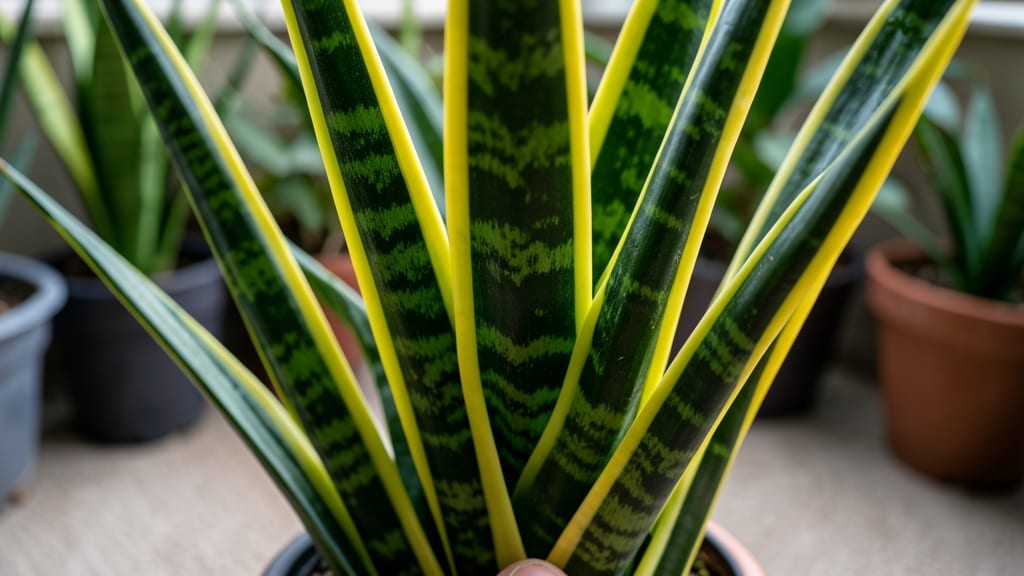
If you're wondering how tall will a snake plant grow, the answer might surprise you—especially if you're picturing a towering jungle plant.
Most varieties of this resilient 🌿 stay between 1 and 4 feet tall, but their final height depends on factors like variety, care, and even the pot size you choose.
Some snake plants, like the popular 'Moonshine' or 'Laurentii,' lean toward the shorter end, while others, such as 'Futura Superba,' can stretch closer to their maximum height. The key to controlling their growth lies in understanding their natural tendencies and how light, water, and pruning play a role.
Whether you're a beginner or a seasoned plant parent, knowing what to expect helps you plan your space—and maybe even decide if you want to encourage that vertical growth or keep things compact. Let’s break down the specifics so you can predict (and shape) your snake plant’s future height.
From the moment you bring it home to the day it reaches maturity, small adjustments in care can make a big difference. Ready to learn how to guide your snake plant’s growth? Let’s dive in.


Snake plant height by variety: growth expectations for common types
If you’ve ever wondered whether your snake plant (Sansevieria) will stretch toward the ceiling, the answer depends entirely on the variety you’ve chosen. While most mature plants cap out between 2 to 4 feet, some compact types stay under 1 foot tall.
Let’s break down the height expectations for the most popular snake plant varieties and how their growth habits differ.
For example, the classic Sansevieria trifasciata (often called 'Mother-in-Law’s Tongue') typically reaches 3 to 4 feet tall under ideal conditions. In contrast, the 'Hahnii' variety—also known as the 'Bird’s Nest' snake plant—stays compact, rarely exceeding 1 to 2 feet in height.
These differences mean your choice of variety directly impacts how much vertical space your plant will occupy.
Here’s a quick comparison of how these varieties grow over time. Understanding their mature sizes helps you plan for placement, whether you’re keeping your snake plant on a shelf, countertop, or floor.
| Variety | Mature Height | Growth Rate | Notes |
|---|---|---|---|
| Sansevieria trifasciata | 3–4 ft | Slow to moderate | Classic tall variety; upright leaves. |
| 'Futura Superba' | 2–3 ft | Moderate | Thick, blue-green leaves; great for mid-height spaces. |
| 'Hahnii' | 1–2 ft | Slow | Compact; rosette shape; ideal for small spaces. |
| 'Moonshine' | 2–3 ft | Moderate | Bright yellow-green leaves; taller than 'Hahnii'. |
| 'Laurentii' | 2–3 ft | Slow to moderate | Yellow-edged leaves; popular for its striking look. |
The 'Futura Superba' and 'Laurentii' varieties are great mid-height options, perfect for shelves or tables where you want a statement plant without overwhelming the space. Meanwhile, the 'Hahnii' variety is ideal for desk decor or small apartments where floor space is limited.
If you’re aiming for a dramatic look, the standard Sansevieria trifasciata will deliver, but be prepared for it to reach ceiling height in just a few years.
One thing to note is that snake plants grow vertically by producing new leaves from the base. Unlike some plants that branch out, they grow taller rather than wider, which is why their height becomes a defining feature over time.
This vertical growth habit also means you can prune older leaves to encourage thicker, bushier growth if you prefer a fuller look over extreme height.
For those with limited ceiling space, choosing a dwarf variety like 'Hahnii' ensures your snake plant will never become a ceiling hazard. However, if you’re working with a taller variety, consider placing it in a corner or against a wall to manage its vertical expansion.
The key is to match your variety choice with your space and aesthetic goals.
Another factor to consider is how quickly these plants grow. While snake plants are slow growers compared to tropical houseplants, they can add 6 to 12 inches per year under optimal conditions.
This means a 2-foot-tall plant could reach 3 feet in just 2 to 3 years, so planning ahead is essential if you’re concerned about height.
If you’re still unsure which variety to pick, think about your lighting conditions and space constraints. Taller varieties thrive in bright, indirect light and need more vertical room, while compact types adapt well to low-light conditions and smaller spaces. The right choice depends on your lifestyle and decor.
🌱
How care affects snake plant height: light, pot size, and pruning tips
Your snake plant’s height growth isn’t set in stone—it’s shaped by the care you provide. Light exposure, pot size, and even pruning habits can push your plant toward its maximum height or keep it more compact.
For example, a 'Futura Superba' in bright, indirect light may reach its full 4-foot potential, while the same plant in dim corners might stay under 2 feet.
Bright, indirect sunlight fuels vertical growth, while low light slows it down. If your plant stretches toward a window, it’s begging for more light—but avoid harsh direct sun, which can scorch those thick, upright leaves. A north-facing window is ideal for balanced growth.
Pot size plays a surprising role too. Root-bound snake plants grow faster because they’re forced to reach upward for resources. But if your container is too large, the plant may focus on filling the soil instead of growing tall.
Aim for a pot that’s just 1-2 inches wider than the plant’s base to encourage vertical growth.
- Place in bright indirect light for taller growth
- Use a snug pot to encourage upward reach
- Prune brown leaf tips to redirect energy
- Fertilize lightly in spring for steady growth
- Overwater to prevent root rot that stunts growth
- Use a huge pot that slows vertical growth
- Prune healthy leaves—only remove damaged ones
- Expose to direct midday sun that burns leaves
Pruning isn’t just for aesthetics—it’s a tool to control height. When you remove yellow or brown leaves, you’re telling the plant to focus its energy on new growth.
For a bushier, slightly shorter look, trim the taller leaves back by about 1/3—this encourages side shoots and a fuller shape.
If you’re aiming for a taller snake plant, give it the right conditions: bright light, a snug pot, and minimal interference. But if you prefer a compact plant, limit light slightly and prune regularly. The choice is yours—and your snake plant will adapt!
Remember, even with perfect care, most snake plants stop growing tall once they reach maturity, usually within 2-3 years. But with the right approach, you can guide their growth to fit your space and style.