
Plants
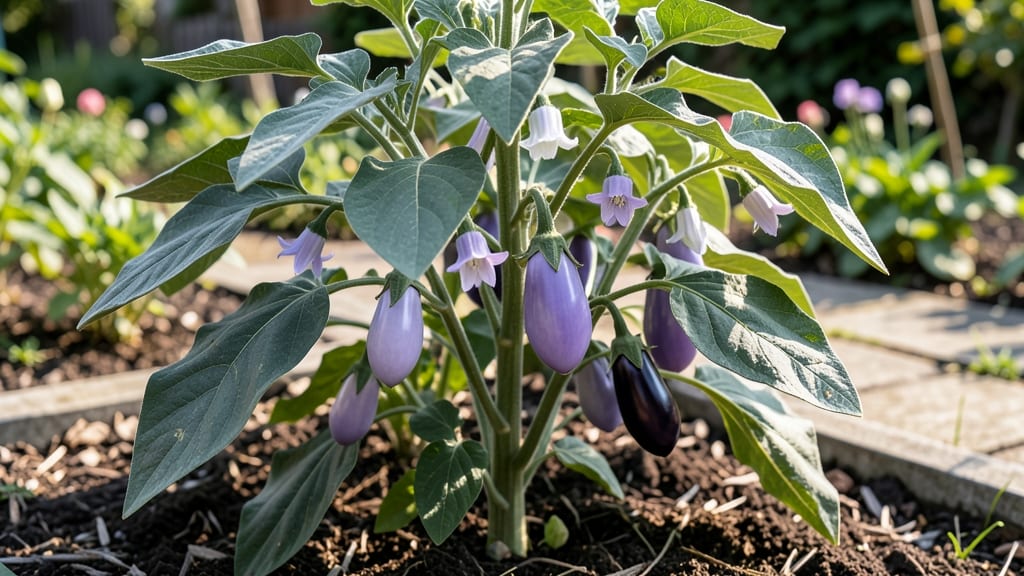
When you picture eggplant plants in your garden, do you imagine how tall they can grow—whether towering giants or compact bushes?
The truth is, how tall eggplant plants grow depends entirely on the variety you choose—and getting this right can mean the difference between a thriving harvest and a crowded mess. Some standard types stretch toward the sky, while dwarf varieties stay neatly contained, making them perfect for small spaces.
If you're planning your garden layout this spring, knowing these height differences is the key to smart spacing. Tall varieties like 'Black Beauty' can reach up to 4 feet, while compact 'Fairy Tale' types stay under 2 feet.
Without proper planning, your plants might compete for sunlight and nutrients, leading to smaller yields or even disease. Let me show you how to pick the right size for your space and garden style.
Beyond variety, factors like pruning, sunlight exposure, and even your USDA zone (like 6a) play a role in how much your eggplant plants will grow.
I’ll break down the best practices for managing height—whether you need to stake your plants or let them sprawl—so you can maximize your harvest without sacrificing space. Ready to grow like a pro?
Whether you're a seasoned gardener or just starting with 🍆, understanding these height guidelines will help you create a garden that’s both beautiful and productive. Let’s dive into the varieties, support needs, and tips to keep your eggplants happy—and your harvest bountiful.


Eggplant height by variety: compact vs. tall-growing types
When planning your garden, knowing eggplant height by variety helps you choose the right spot and avoid overcrowding. Most eggplants reach 2 to 4 feet tall, but some dwarf varieties stay as short as 1 to 2 feet, while tall types can stretch toward 5 feet.
Your selection directly impacts spacing, sunlight access, and even fruit yield.
Tall-growing varieties like Black Beauty or Ichiban need more vertical space and often benefit from staking or caging. In contrast, Fairy Tale or Patio Baby varieties stay compact, making them ideal for containers or small gardens. Let’s break down the height ranges and space requirements for popular varieties.
| Variety | Height Range | Space Needs | Best For |
|---|---|---|---|
| Black Beauty | 3–4 ft | 18–24 inches apart | Standard gardens, staking |
| Fairy Tale | 1–2 ft | 12–18 inches apart | Containers, small spaces |
| Ichiban | 4–5 ft | 24–36 inches apart | Large gardens, trellises |
| Rosa Bianca | 2–3 ft | 18–24 inches apart | Balconies, raised beds |
| Patio Baby | 1–1.5 ft | 12 inches apart | Containers, windowsills |
The Black Beauty variety is one of the most popular and grows 3 to 4 feet tall, making it a mid-sized option for most gardens. It thrives in full sun and produces large, glossy fruits.
If you’re short on space, Fairy Tale or Patio Baby are excellent choices, staying under 2 feet tall and perfect for containers or urban gardens.
For larger gardens or if you love giant eggplants, Ichiban can reach 4 to 5 feet tall and produces massive fruits weighing up to 2 pounds each. These varieties need extra space and may require support structures to prevent toppling.
Always check the seed packet or plant tag for specific height guidelines—it’s the best way to avoid surprises.
Height isn’t the only factor to consider. Sunlight exposure and soil quality also influence how tall your eggplants grow. For example, Rosa Bianca, a white-fruited variety, typically stays 2 to 3 feet tall but may grow taller in ideal conditions with plenty of nutrients.
Always plant in well-draining soil enriched with compost to encourage healthy growth.
If you’re growing eggplants in containers, choose dwarf or semi-dwarf varieties like Fairy Tale or Patio Baby. These stay compact and thrive in 5-gallon pots with proper drainage. Larger varieties will need bigger containers—at least 15 gallons—to accommodate their root systems and prevent stunted growth.
Pro tip: If you’re unsure about height, opt for indeterminate varieties like Ichiban. These can grow taller over time, but you can prune them back to control size and redirect energy into fruit production. Pruning also improves air circulation, reducing the risk of diseases like powdery mildew.
Remember, eggplant height isn’t set in stone—it’s influenced by your growing conditions. With the right variety, spacing, and care, you’ll have a thriving eggplant patch that fits perfectly in your garden layout. Happy planting!
Do eggplants need support? When and how to stake or cage them
Not all eggplant varieties need support, but some tall-growing types (like Black Beauty) benefit from staking or caging to prevent stem breakage and improve air circulation. Indeterminate varieties, which grow continuously, often require support to keep their heavy fruit off the ground.
If you're growing dwarf varieties (like Fairy Tale), they typically stay compact enough to support themselves.
Support isn’t just about height—it also helps maximize fruit production by keeping plants upright for better sunlight exposure. Without support, eggplants can sprawl, leading to poor air flow and higher risks of disease.
If your garden space is limited, using cages or stakes can also help save space while keeping plants organized.
Here’s how to decide if your eggplants need support and what options work best for your garden setup:
🪴 Support Needs by Eggplant Type
- Tall varieties (3–4 ft): Always use stakes or cages (e.g., Black Beauty, Ichiban).
- Medium varieties (2–3 ft): Optional but helpful in windy areas (e.g., Rosa Bianca).
- Dwarf varieties (1–2 ft): No support needed (e.g., Fairy Tale, Patio Baby).
Pro tip: Check seed packets for variety-specific recommendations!
For supported varieties, stakes (bamboo or metal) are the simplest solution. Drive a 3–4 foot stake into the soil next to each plant and gently tie the main stem with soft plant ties or old fabric strips. Avoid wire ties—they can damage stems as plants grow.
If you prefer a low-maintenance option, use cages (5–6 feet tall) made of wire or plastic. Place the cage over the plant at transplanting time to avoid disturbing roots later.
If you’re growing eggplants in containers, choose wide pots (at least 12–18 inches in diameter) and use small stakes or cages to keep plants stable. Containers dry out faster, so water consistently and monitor for root bound conditions, which can weaken stems and increase the need for support.
One common mistake is waiting too long to add support. If you notice stem bending or fruit touching the ground, it’s already too late for healthy growth. Start supporting plants early—right after transplanting—to give them time to adjust.
For heavy-fruiting varieties, consider double-staking (two stakes per plant) or using a trellis for extra stability.
Remember, proper support isn’t just about preventing breakage—it’s also about improving yields. Upright plants receive even sunlight and better air flow, reducing stress and encouraging more fruit production.
With the right support system, your eggplants will thrive, whether you’re growing them in a backyard bed or a balcony container.