
Plants
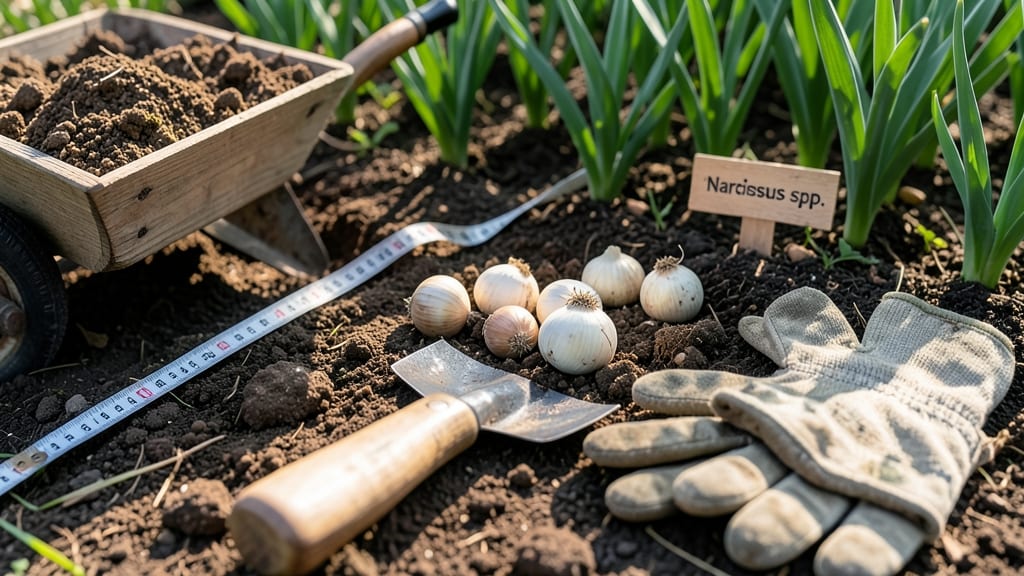
Planting your 🌼 daffodil bulbs in the fall is the game-changer for those cheerful spring blooms—but get the timing wrong, and you’ll be left with weak roots or no flowers at all.
The secret lies in that 6-week pre-frost window, a rule that ensures bulbs establish strong roots before winter sets in.
If you’re in USDA Zone 6a (like many gardeners), that means digging in your bulbs between mid-October and early November—just enough time for them to settle before the ground freezes.
Too early, and they’ll rot; too late, and they won’t root properly. I’ll show you exactly how to calculate your local window and avoid these common pitfalls.
Beyond timing, the right soil prep and planting depth make all the difference. We’re talking 4-6 inches deep, well-draining soil, and spacing that keeps bulbs happy without crowding. Skip these steps, and you might as well toss your bulbs in the compost bin.
Ready to set up your garden for next spring’s vibrant displays? Let’s break down the exact steps—from soil prep to post-planting care—so your daffodils burst into bloom right on schedule.
The 6-Week pre-frost rule: exact fall planting timeline for daffodil bulbs
Timing is the secret ingredient for daffodil success—plant too early, and your bulbs may rot in soggy soil. Plant too late, and they won’t establish strong roots before winter.
The 6-week pre-frost rule is your golden ticket to vibrant spring blooms, but it requires knowing your local frost dates and adjusting for your USDA hardiness zone.
Most gardeners in USDA zones 3-10 should plant daffodil bulbs between mid-September and mid-November, but exact dates vary wildly. For example, in zone 5, aim for late September to early October, while zone 8 gardeners have until mid-November.
The key is ensuring bulbs have 6-8 weeks of root growth before the ground freezes.
To calculate your window, check your average first frost date (use the USDA Plant Hardiness Zone Map) and count backward. For instance, if frost hits November 15, plant by October 1.
Pro tip: Use a soil thermometer—roots stop growing when soil temps drop below 40°F (4°C).
Regional adjustments matter! In northern climates (zones 3-4), start planting as early as late August to account for shorter growing seasons.
In southern zones (7-10), you might extend planting until December, but avoid planting when soil temps are above 60°F (15°C), as bulbs can sprout prematurely and rot.
Why does this rule work? Daffodil bulbs need cool soil (50-60°F / 10-15°C) to trigger root growth, but they’ll rot if soil stays too warm. Planting too early in warm climates can stimulate sprouting before roots form, while planting too late leaves bulbs vulnerable to winter desiccation.
🌼
What if you miss the window? Don’t panic. If you plant too early (e.g., July in zone 7), store bulbs in a cool, dark place (like a fridge) until soil temps drop.
If you plant too late (after frost), mulch heavily with straw or leaves to insulate bulbs until spring. Late-planted bulbs may bloom later or produce fewer flowers, but they’ll often recover.
For container gardening, the same rule applies, but use well-draining pots and plant deeper (6 inches) to accommodate root growth. Place containers in a protected spot (like a garage) if frost threatens before roots establish. Remember: Daffodils thrive on cold dormancy—it’s how they build energy for spring blooms!
Pro move: Mark your calendar with your local frost date and set a reminder for 6 weeks prior. Use a garden journal to track your success—note which varieties bloom earliest and adjust planting times for sequential color in spring.
With this timing mastered, you’ll enjoy bold, healthy daffodils year after year.
☀️
How to prepare daffodil bulbs for fall planting: soil, depth, and spacing secrets
Prepping your daffodil bulbs properly before planting ensures strong roots and vibrant spring blooms. Start by inspecting each bulb for soft spots or mold—discard any that look damaged. Healthy bulbs should feel firm and plump, with no signs of rot or drying.
If your bulbs arrive dry, soak them in lukewarm water for 1-2 hours to rehydrate before planting. This step is especially important if you’ve stored them in a dry place over summer.
Next, focus on your soil preparation. Daffodils thrive in well-draining soil with a slightly acidic to neutral pH (6.0-7.0). Amend heavy clay soil with compost or sand to improve drainage, while sandy soil benefits from a mix of organic matter like peat moss or leaf mold.
Work in a 2-3 inch layer of compost into the top 6-8 inches of soil to provide essential nutrients for root development.
| Prep Step | Action | Why It Matters |
|---|---|---|
| Bulb Inspection | Check for firmness, no mold | Prevents rot and ensures healthy growth |
| Soil Amendments | Add compost/sand to clay; peat to sand | Improves drainage and nutrient retention |
| Planting Depth | 3x bulb height (e.g., 6" for 2" bulb) | Protects from frost heave and pests |
| Spacing | 4-6 inches apart (6" for large bulbs) | Reduces disease risk and allows airflow |
When it’s time to plant, use the 3x rule for depth: multiply your bulb’s height by 3 to determine how deep to plant. For example, a 2-inch bulb should go 6 inches deep. This depth protects roots from frost heave and keeps bulbs secure in winter.
Space bulbs 4-6 inches apart, with larger varieties getting the extra room. If planting in containers, use a well-draining mix and leave 2-3 inches of space between bulbs and the pot’s edge.
After planting, water deeply to settle the soil and eliminate air pockets around the bulbs. Mulch with 2-3 inches of straw or shredded leaves to insulate roots and retain moisture. Avoid heavy mulch that could suffocate bulbs or attract pests.
In regions with early frosts, consider a light layer of straw mulch to provide extra protection without smothering the soil.
Finally, mark your planting spots with biodegradable flags or a simple garden map. Daffodils take time to establish, and you’ll want to avoid disturbing the soil in spring. This small step saves you from accidentally digging up your future spring blooms when prepping the garden for other plants.
With these prep steps, your daffodil bulbs will have the best possible start, setting the stage for bold, early spring flowers that brighten up your garden before most other blooms even appear. 🌼