
Plants
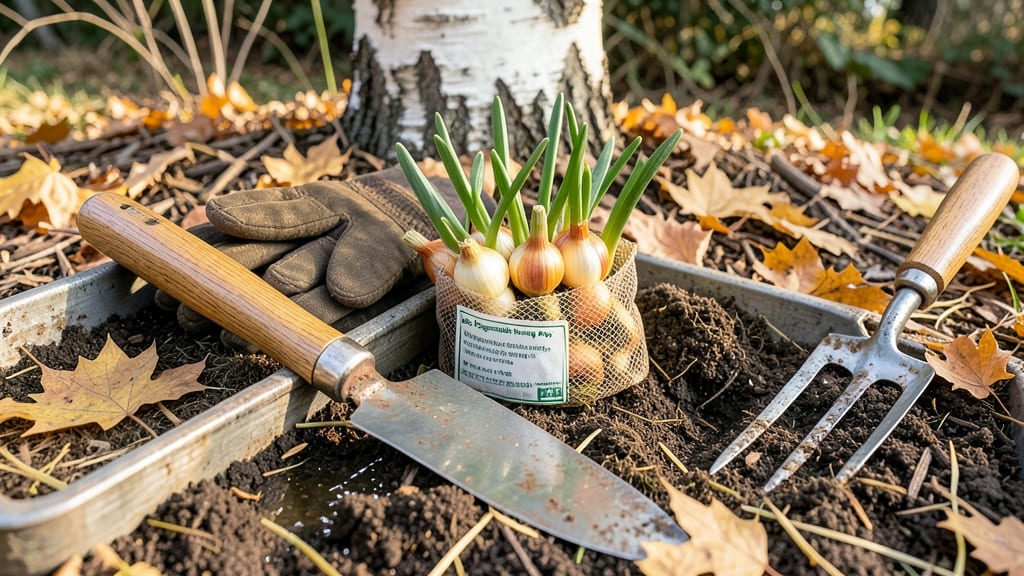
Planting daffodil bulbs at the wrong time in Virginia can mean the difference between a showstopping spring garden and a season of missed blooms. With chill-hour needs and frost dates varying by zone, timing matters more than most gardeners realize.
If you're in Virginia's 6a-8a zones, your best window is between October and November, when soil temperatures drop to 40-50°F—ideal for root establishment before winter. But rush it, and your bulbs won’t thrive; wait too long, and they’ll miss their growth window.
I’ll break down the exact dates for your zone, plus how to prep soil and protect bulbs from Virginia’s unpredictable fall weather. No guesswork—just clear, zone-specific guidance to ensure your 🌼 daffodils bloom like clockwork next spring.
Ready to plant with confidence? Let’s get your garden prepped the right way.
Virginia’s ideal planting dates for daffodil bulbs by USDA Zone
Planting daffodil bulbs in Virginia requires precise timing to ensure they establish roots before winter sets in. The ideal window spans from late September to mid-November, but exact dates depend on your USDA zone and local frost patterns.
Virginia spans zones 6a-8a, so I’ll break down the best times for each zone to maximize your spring blooms.
For gardeners in Zone 6a (northwest Virginia), aim to plant bulbs between October 1-15. This gives them enough time to root before the first hard frost, typically around October 15.
In Zone 7a (central Virginia), you have a slightly longer window—October 15-November 1—since frosts arrive later, usually around November 10.
Southern Virginia gardeners in Zone 8a (like Norfolk) can plant as late as November 15 because mild winters delay frost until December 1 or later. However, planting too late risks bulbs sprouting before winter dormancy, which weakens them. Always check your local frost dates to adjust timing accordingly.
Here’s how Virginia’s planting windows compare across zones, including soil temperature thresholds for optimal root growth:
Soil temperature is critical for daffodil bulb success. Bulbs need 40–60°F soil to establish roots before winter dormancy. In Virginia, soil temps drop below 50°F by early November in most zones, so plant before then. Use a soil thermometer if unsure—cool but not frozen soil is ideal.
If you miss the fall window, you can plant daffodils in early spring (March), but blooms will arrive later. Spring-planted bulbs often struggle to establish as deeply as fall-planted ones, leading to weaker stems. For the best results, prioritize fall planting and adjust based on your zone’s frost dates.
Pro tip: Mark your planting dates on a calendar and set reminders. Virginia’s unpredictable fall weather can shift frost timelines—don’t wait until the last minute! Planting too late risks bulbs sprouting before winter, which can damage tender shoots. Aim to finish by mid-November for all but the southernmost zones.
🌼
Virginia’s ideal planting dates for daffodil bulbs by USDA Zone
In Virginia, planting daffodil bulbs at the right time ensures they establish strong roots before winter’s chill sets in. The ideal window spans mid-September through mid-November, but your USDA zone determines the exact timing.
For Zone 6a (northern VA), aim for late September to early October—soil temps should be 50-60°F and frost-free for 4-6 weeks post-planting.
Gardeners in Zone 7a-8a (central/southern VA) can wait until October to early November, as milder winters allow bulbs more time to root. The key is planting 4-6 weeks before ground freezes, typically by November 15 across most of Virginia.
Late plantings risk bulbs sprouting too early, making them vulnerable to freeze damage.
| USDA Zone | First Frost Date | Planting Window | Soil Temp Goal |
|---|---|---|---|
| 6a (Northern VA) | Mid-October | Late Sept–Early Oct | 50–60°F |
| 7a (Central VA) | Late Oct–Early Nov | Oct–Early Nov | 55–65°F |
| 8a (Southern VA) | Mid-November | Oct–Mid-Nov | 60–70°F |
Use local frost date averages as your guide—check the National Weather Service for your county. In Zone 6a, early frosts can arrive by October 15, while Zone 8a may see first frost in November.
Planting too early (e.g., August) risks bulb rot from warm, moist soil, while late plantings (December+) may not root deeply enough before winter.
For container gardening, follow the same timeline but use well-draining pots and place them in protected microclimates (e.g., near south-facing walls). Containers warm faster in spring, so delay planting by 2-3 weeks compared to in-ground bulbs to match soil temps.
Pro tip: Mark your planting spots with stakes or flags—Virginia’s unpredictable fall weather can blur your memory! After planting, water deeply once to settle soil around bulbs, then let nature take over until spring. Mulch lightly (1-2 inches) with straw to insulate bulbs from temperature swings.
Missed the fall window? December plantings are possible if soil isn’t frozen, but growth will be slower. Prioritize Zone 8a gardeners—you have the longest window (until mid-December) to get bulbs in the ground before winter sets in.