
Plants
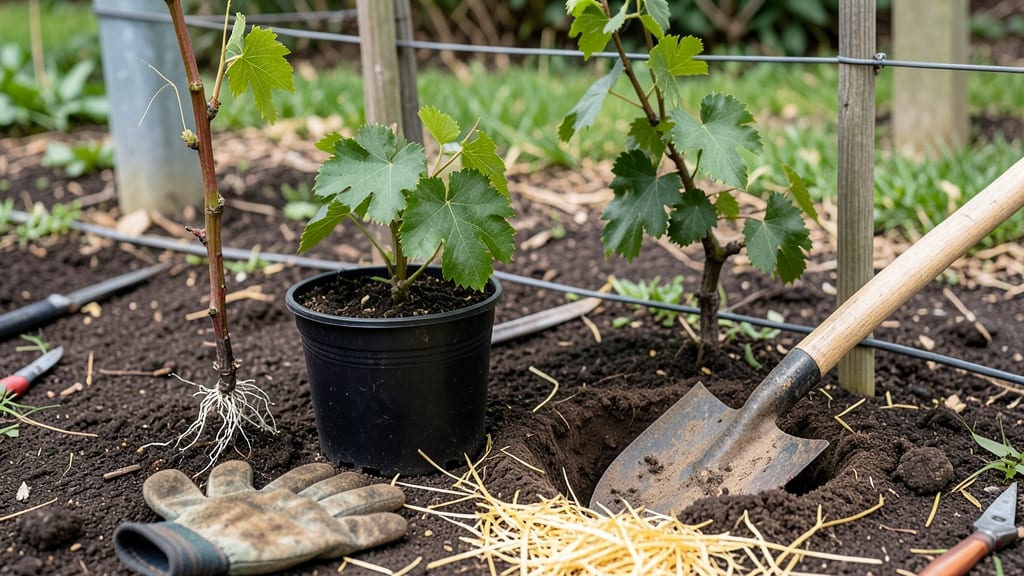
Planting grapes in Missouri at the wrong time can mean the difference between thriving vines and lost investments—especially when chill hours and frost dates collide.
The late winter to early spring window (February through April) is your golden opportunity to set up cold-hardy varieties like Marquette or Frontenac for success in Zone 5b-6b, but timing matters just as much as variety selection.
Missouri’s climate throws curveballs with late frosts creeping into April, so rushing to plant too early can leave young vines vulnerable. Meanwhile, waiting too long risks stunted growth before summer’s heat kicks in.
I’ll break down the exact chill hour needs for popular Missouri grapes and how to align your planting schedule with your county’s last frost date—because even a week can make or break your harvest.
Whether you’re dreaming of a backyard grape arbor or prepping for a small vineyard, this guide cuts through the guesswork.
You’ll learn how to prep your soil, choose the right varieties for your microclimate, and avoid the top 5 mistakes Missouri gardeners make when planting grapes—mistakes that cost them time, money, and sweet, juicy fruit.
Ready to turn your Missouri yard into a grape-growing powerhouse? Let’s get those vines in the ground at the perfect moment—so you can enjoy August to October harvests for years to come.
Missouri grape planting timeline: best months by variety and chill hours
Missouri’s Zone 5b-6b climate demands careful timing when planting grapes—especially since chill hours (0°F to 45°F temps) are critical for bud break and fruit production. Most cold-hardy varieties need between 100 and 1,000 chill hours, but Missouri’s average ranges from 600 to 1,200 hours, depending on your county.
For spring planting (the preferred method in Missouri), aim for late February to early April, after the last frost date but before soil temperatures exceed 50°F. Fall planting is riskier due to winter dieback, but some gardeners succeed with bare-root vines in October if the ground isn’t frozen.
Your choice of grape variety directly impacts planting success. Concord and Niagara (600-800 chill hours) thrive statewide, while Marquette and Frontenac (800-1,000 chill hours) excel in northern Missouri’s colder microclimates. Southern counties like St. Louis can even grow Cynthiana (1,000+ chill hours) with proper care.
When planting in spring, wait until soil temperatures reach 50°F+ (use a soil thermometer) and avoid weeks with frost warnings. Northern Missouri’s last frost date often falls in mid-April, while southern regions like Southeast Missouri may see frost as late as early April.
For fall planting, only attempt it in October if your ground isn’t frozen. Bare-root vines planted too late risk winter heaving (roots freezing/thawing). If you choose this method, mulch heavily with straw (4-6 inches) to insulate roots.
Pro tip: Soil temperature matters more than air temperature. In St. Louis, March soil temps often lag behind air temps by 2-3 weeks. Use a soil thermometer ($10 at garden centers) to confirm readiness—50°F+ is your green light.
Missouri’s humidity and summer heat (80°F+) mean grapes need well-draining soil and morning watering to prevent fungal diseases like black rot. Amend clay-heavy soils with compost or sand before planting.
Remember: Dormant vines (bare-root or potted) handle cold better than actively growing ones. If you miss spring planting, wait until next year—rushing leads to poor establishment and winter dieback.
Missouri grape planting timeline: best months by variety and chill hours
Missouri’s Zone 5-6 climate demands careful timing for grape planting, especially since chill hours (0-1,000+) dictate variety success. Most cold-hardy varieties like Concord and Marquette thrive when planted in late winter to early spring (February-April), aligning with frost-free dates and dormancy cycles.
Spring planting (March-April) is ideal for bare-root vines, giving roots time to establish before summer heat. Fall planting (September-October) works for container-grown grapes in southern Missouri, but risks frost damage in northern regions like St. Louis or Columbia.
Chill hours (cold temps below 45°F) are critical—100-300 hours for Niagara, 500-800 hours for Concord, and 1,000+ hours for Frontenac. Use the table below to match your Missouri county’s chill hours to the right variety.
For bare-root vines, plant in late winter (February) when soil is workable but before buds swell. Container-grown grapes can go in until April, but avoid late spring frosts (common in May in northern Missouri).
Always check your local frost dates—St. Louis averages last frost on April 15, while Kansas City can see frost until May 1.
Pro tip: Plant 2-3 vines for cross-pollination (unless you’re growing self-fertile varieties like Frontenac). Space them 6-8 feet apart with a trellis system to maximize airflow and sunlight—critical for disease prevention in Missouri’s humid summers.
After planting, mulch with wood chips (2-3 inches) to retain moisture and regulate soil temperature. Water deeply once a week for the first month, then taper to bi-weekly once established. Avoid overhead watering to prevent fungal diseases like powdery mildew, common in Missouri’s summer humidity.