
Plants
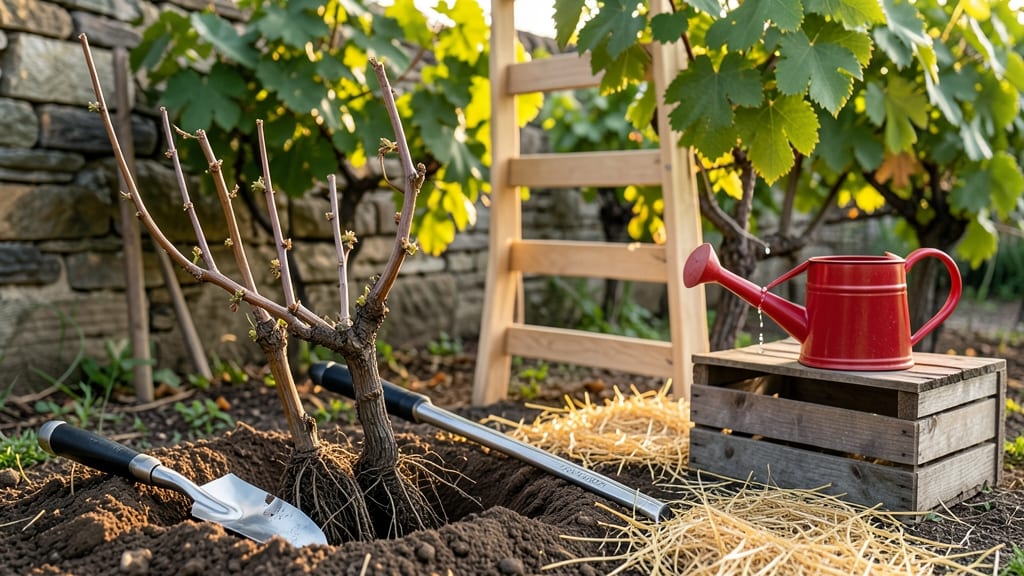
Planting 🍇 grapes in California at the wrong time can mean the difference between a thriving vineyard and a frost-killed disappointment.
The best window for strong root growth isn’t just about the calendar—it’s about matching your region’s microclimate, from the coastal fog of San Francisco to the scorching heat of the Central Valley.
If you’ve ever wondered why some grapevines struggle while others explode with vigor, the answer lies in timing. Too early, and frost zaps your young plants; too late, and root development stalls before summer’s heat kicks in.
I’ll break down the exact months that work for your specific zone—whether you’re in USDA 9b-10 coastal areas or 9a-10a inland valleys—so you can plant with confidence.
You’ll also discover how to prep your soil for maximum success, whether you’re planting in-ground or in containers. From dormant bare-root vines to the first signs of new growth, this guide covers everything you need to set your grapes up for a bountiful harvest—no guesswork required.
Ready to turn your backyard into a vineyard? Let’s get those 🍇 grapes in the ground at the perfect moment for your corner of California.
California grape planting calendar by region: optimal months for each climate Zone
California’s three distinct grape-growing regions—Northern Coast, Central Valley, and Southern California—each demand unique planting windows. The key is aligning your schedule with soil temperatures and frost-free periods to give vines the best start.
For example, Cabernet Sauvignon thrives in the Central Valley’s heat, while Zinfandel prefers Southern California’s Mediterranean climate.
In Northern California, coastal fog delays planting until late March to April, while inland areas like Sacramento can start as early as February. Southern California’s mild winters allow fall planting from September to October, ideal for dormant vines to establish roots before summer heat arrives.
Always check your local last frost date—coastal areas like San Francisco average frost by January 1, while the Central Valley sees frost as late as February 15.
Here’s how to match your region’s climate to the best planting window:
| Region | Best Planting Window | Soil Temp Threshold | Frost Risk | Top Varieties |
|---|---|---|---|---|
| Northern Coast (SF Bay Area) | Late March–April | 50–55°F (10–13°C) | Low (coastal fog protection) | Pinot Noir, Chardonnay |
| Central Valley (Sacramento/Fresno) | February–March | 55–60°F (13–16°C) | Moderate (late frosts common) | Cabernet Sauvignon, Zinfandel |
| Southern California (LA/San Diego) | September–October | 60–65°F (16–18°C) | None (frost-free year-round) | Syrah, Grenache |
For container-grown grapes, Southern California’s fall window is ideal because pots warm up faster in spring, reducing transplant shock. In contrast, in-ground plantings in the Central Valley benefit from February’s cooler temps, which curb early bud break and mildew risks.
Always soak bare-root vines for 2–4 hours before planting to rehydrate roots—this is critical for root establishment in California’s fast-draining soils.
If you’re in Zone 9b–10 (coastal areas), prioritize September planting to avoid summer heat stress. For Zone 9a (Central Valley), aim for late February to early March when soil temps stabilize above 55°F.
Pro tip: Use a soil thermometer to confirm readiness—grapes won’t thrive if planted in cold, wet soil.
Regional microclimates matter too. For example, Napa Valley’s foggy mornings can delay planting by weeks compared to drier inland areas. To adapt, monitor 7-day forecasts for frost warnings and adjust your timeline.
In Southern California, where winters are mild, fall planting lets vines develop roots before summer’s intensity. This strategy works especially well for heat-loving varieties like Grenache.
One common mistake? Planting too early in the Central Valley (before February 15) risks frost damage to new shoots. Conversely, delaying until April in coastal areas can stunt root growth due to cooler, wetter springs.
The sweet spot? Plant when soil temps hit 55°F and daytime highs exceed 60°F—this balance ensures vigorous root development without heat stress.
For container grapes, Southern California’s fall window is ideal because pots warm up faster in spring, reducing transplant shock. In contrast, in-ground plantings in the Central Valley benefit from February’s cooler temps, which curb early bud break and mildew risks.
Always soak bare-root vines for 2–4 hours before planting to rehydrate roots—this is critical for root establishment in California’s fast-draining soils.
If you’re unsure about your local frost dates, check the USDA Plant Hardiness Zone Map and local Cooperative Extension offices for region-specific data. For example, San Diego’s Zone 10a allows year-round planting, while Fresno’s Zone 9a demands precise timing to avoid frost.
With the right schedule, your grapes will thrive year after year—no matter where you’re growing in California.
Signs your California soil and climate are ready for grapes: 5 critical checks before planting
Before you dig in the dirt, your California soil and microclimate need to pass five key tests. Grapes are finicky about their environment—too much clay, and roots suffocate; too little sun, and vines stretch weakly.
I’ve planted 🍇 grapes in USDA 9b-10 zones and learned the hard way: skipping these checks means wasted effort (and money).
Start with a soil pH test. Grapes thrive in slightly acidic soil with a pH between 5.5 and 6.5. Use a digital pH meter or send a sample to your local UCCE Master Gardener program—they’re free and reliable.
If your soil is off, amend it with sulfur (to lower pH) or lime (to raise pH) 2-3 months before planting. 🌱
Test pH 5.5–6.5. Use sulfur or lime to adjust 2-3 months pre-plant. 📉📈
Next, check drainage. Grapes hate soggy feet—waterlogged soil leads to root rot and fungal diseases. Dig a 12-inch hole, fill it with water, and time how long it takes to drain.
If it’s still wet after 4 hours, amend with compost or sand to improve aeration. In clay-heavy soils (common in Central Valley), mix in 50% compost and 30% coarse sand.
Fill hole with water; drain in ≤4 hours. Add compost/sand if slow. 💧⏱️
Don’t overlook sunlight exposure. Grapes need 6+ hours of direct sun daily, but intense afternoon heat (like in the Central Valley) can scorch young vines. If your spot gets hotter than 95°F regularly, plant white grape varieties (like Thompson Seedless) or use shade cloth (30%) during peak hours.
Coastal areas? No worries—fog and breezes protect vines naturally.
6+ hours sun. Avoid >95°F spots; use shade cloth if needed. ☀️🌬️
Analyze your microclimate next. Grapes hate frost pockets and strong winds. If you’re in the Central Valley, plant on a south-facing slope to warm up faster in spring.
Coastal gardeners? Avoid low-lying areas where cold air pools. A windbreak (like a fence or hedge) protects young vines from drying winds.
Avoid frost pockets and windy spots. Use south-facing slopes (Valley) or windbreaks (coastal). 🌡️🌬️
Finally, test for existing pests. Grapes attract aphids, spider mites, and nematodes. Dig up a small soil sample and look for tiny worms (nematodes) or chewed leaves on nearby plants.
If pests are present, treat with neem oil or beneficial nematodes before planting. Pro tip: Plant marigolds nearby—they repel pests naturally. 🪴