
Plants
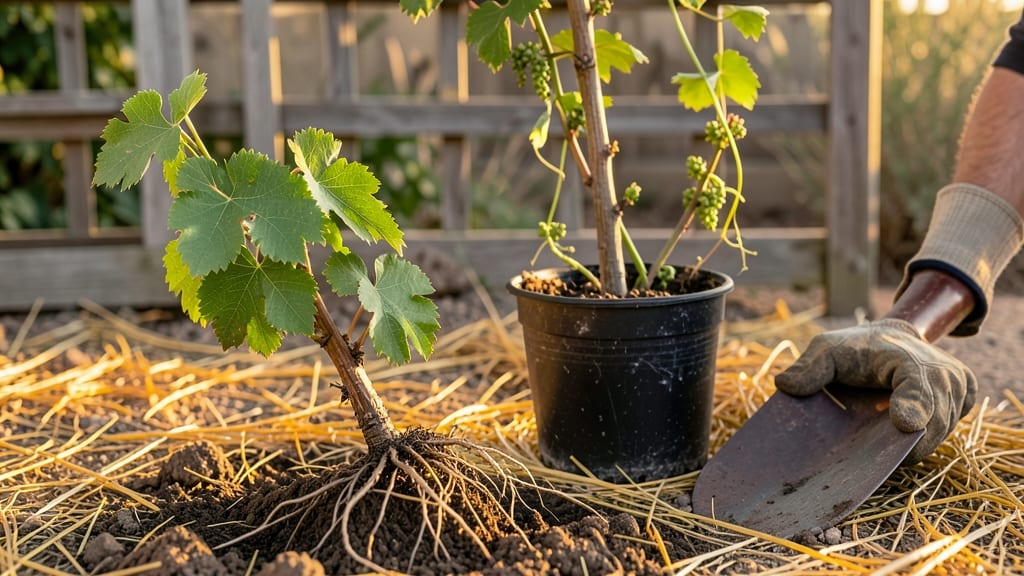
Planting grapes in Arizona isn’t just about picking a month—it’s about outsmarting the desert’s 270 frost-free days and brutal summer heat. Get the timing wrong, and your 🍇 vines either wither from early-season stress or fail to root before the monsoons hit.
The key? A narrow window between November and February when soil stays cool enough for roots to establish without battling extreme temperatures.
Why does this matter? Because Arizona’s USDA Zone 9b climate demands precision. Plant too early, and your vines may wake up from dormancy too soon, only to suffer when temperatures spike. Too late, and they’ll struggle to harden off before winter’s rare chill.
The solution? A strategic approach that accounts for your specific microclimate—whether you’re in Phoenix’s low desert or Flagstaff’s cooler high country.
I’ve tested the best planting schedules for Arizona’s heat zones, and what works for Thompson Seedless grapes won’t always suit Cabernet Sauvignon. The difference comes down to soil prep, irrigation timing, and even shade cloth use to protect young canes.
Let me walk you through the exact steps to give your vines the strongest start possible—no guesswork, just proven results.
Ready to avoid the common mistakes that kill grapevines before they even take hold? You’ll discover the heat-zone safe start dates, how to adjust for your local climate, and what to watch for if your timing goes off track. Let’s get those roots growing when they’ll thrive most.
Arizona grape planting calendar by heat Zone: best months for strong root establishment
Arizona’s USDA hardiness zones 7-11 create dramatic differences in grapevine success. In Zone 10b (Phoenix), for example, winter planting is critical—soil temps must stay above 50°F (10°C) for root growth, while Zone 7a (Flagstaff) vines need protection from late frosts.
The key? Planting during dormant season when vines aren’t actively growing.
For most Arizona varieties like Thompson Seedless or Cabernet Sauvignon, the optimal window runs from late November to February. This aligns with cooler soil temperatures (50-65°F) and lower evaporation rates, reducing transplant shock. Cold-sensitive varieties like Chardonnay should go in December-January to avoid early heat stress.
Here’s the breakdown by zone—soil temperature thresholds are non-negotiable for root establishment:
| Zone | Best Planting Months | Soil Temp Threshold (°F) | Key Varieties |
|---|---|---|---|
| 7a (Flagstaff) | December-February | 45-55°F | Concord, Flame Seedless |
| 9a (Tucson) | November-January | 50-60°F | Cabernet Sauvignon, Sangiovese |
| 10b (Phoenix) | December-February | 55-65°F | Thompson Seedless, Muscat |
| 11 (Yuma) | January-February | 60-70°F | Red Globe, Black Monukka |
🌱 Pro Tip: Test soil temps with a soil thermometer at 6-inch depth before planting.
Why these months? November-February avoids two critical pitfalls: summer heat stress (which causes wilting within days) and spring frost damage (which blackens new buds). For example, Phoenix’s Zone 10b sees 90°F+ days by April—planting too late means vines struggle to establish before the heat ramp-up.
Cold-hardy varieties like Flame Seedless can handle Zone 7a’s 30°F nights, but even they need mulch protection (4-6 inches of straw) during December-January. Heat-lovers like Thompson Seedless in Zone 11 must go in January-February to avoid transplant shock from 100°F+ soil.
Soil preparation is equally critical. Arizona’s calcareous soils (high pH) need amendments like compost or sulfur to reach the ideal pH 6.0-6.5. Work in organic matter 4-6 weeks before planting to improve water retention—critical for root zone hydration during Arizona’s dry winters.
One common mistake? Planting bare-root vines in March. By then, soil temps exceed 70°F, causing roots to desiccate within 48 hours. Instead, soak bare-root vines for 1-2 hours before planting and water deeply immediately after—this hydrates roots and kickstarts root establishment.
For container-grown vines, plant anytime roots fill the pot (typically October-March), but avoid summer due to container heat buildup. Use 5-gallon pots minimum for young vines, and bury 2/3 of the pot to stabilize the plant and encourage deeper roots.
Finally, prune canes to 18-24 inches at planting—this reduces water loss and focuses energy on root growth rather than foliage. In Zone 10b+, add shade cloth (30-50%) for the first 2-3 weeks to lower canopy temps by 10-15°F.
Timing isn’t just about months—it’s about microclimates. Next, we’ll dive into low desert vs. high desert adjustments to keep your vines thriving year-round.
How to adjust planting timing for Arizona’s microclimates: low desert vs. high desert strategies
Arizona’s microclimates create dramatic differences between the low desert (Phoenix, Tucson) and high desert (Flagstaff, Prescott). What works in Zone 10b can fail in Zone 7a, so adjusting your planting timeline is essential. Let’s break down the key differences and strategies to protect your grapevines.
In the low desert, where temperatures rarely drop below 30°F, you can plant grapes as late as early February and still avoid frost damage. However, the high desert requires planting by late October to allow roots to establish before winter freezes.
This 4-month difference highlights why local conditions matter more than general guidelines.
🌱
For low desert gardeners, focus on heat mitigation during those 110°F+ summer days. Use drip irrigation to keep roots cool and apply reflective mulch (like white gravel) to reduce soil temperatures. In contrast, high desert vines need insulating mulch and windbreaks to survive 20°F nights.
Another critical adjustment is pruning timing. In the low desert, prune in late winter (February) to avoid spring heat stress, while high desert vines should be pruned in early spring (March) to encourage new growth before the growing season peaks.
This 2-month shift can mean the difference between a thriving vine and a struggling one.
If you’re in a transition zone (like Sedona or Prescott Valley), err on the side of earlier plantingsoil temperatures with a probe. Aim to plant when soil is 55–60°F—this gives roots time to establish before extreme heat or cold sets in.
For extra protection, consider container growing in cooler microclimates, where you can move pots to shaded areas during heatwaves.
🌿