
Planting
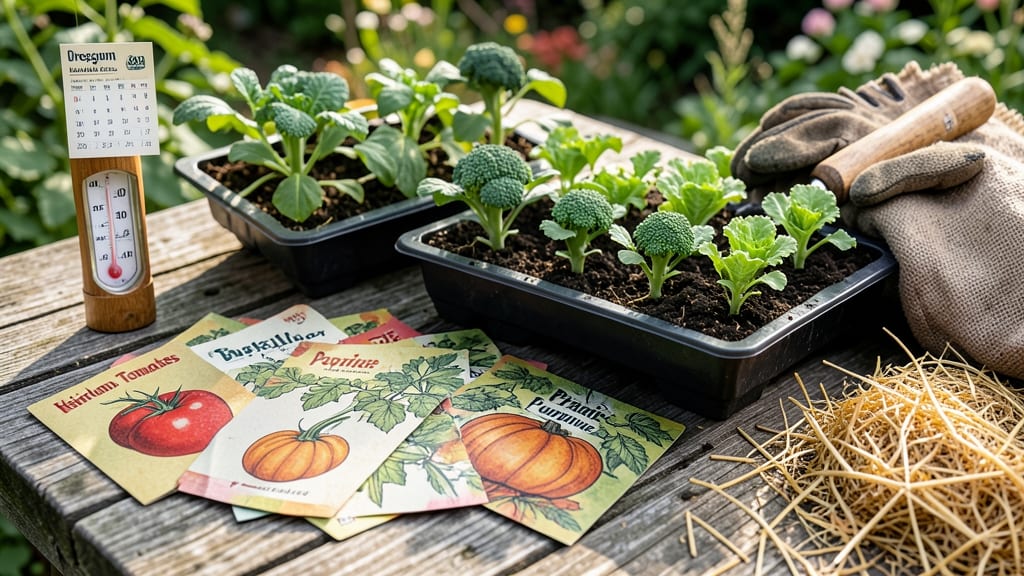
Planting your garden in Oregon at the wrong time can mean the difference between a thriving harvest and a sad pile of frost-bitten seedlings.
With coastal regions like Astoria enjoying milder springs and inland areas like Bend facing sudden freezes, timing is everything for zero-frost success—and local microclimates add another layer of complexity.
I’ve spent years growing everything from coastal kale to inland tomatoes, and the key isn’t just checking a calendar—it’s understanding how Oregon’s USDA zones 7–9 behave differently.
Whether you’re in Portland’s urban heat islands or the Willamette Valley’s fertile soils, knowing when to plant can save you from costly mistakes.
Let’s break down the exact planting windows for your region, including when to start seeds indoors and how to adjust for late frosts or early heat. You’ll learn which crops thrive in Oregon’s unpredictable weather—and how to protect your plants when Mother Nature throws a curveball.
Ready to grow a garden that actually produces? By the end, you’ll know the perfect timing for your zone, plus pro tips to extend your growing season. No more guessing—just a bountiful harvest.
Oregon planting zones: coastal vs inland last-frost dates
Oregon’s USDA planting zones range from 5-7 inland to 8-9 along the coast, creating dramatic differences in last frost dates.
Coastal areas like Astoria and Cannon Beach enjoy milder winters with frost-free periods starting as early as February, while inland cities like Bend and Medford often face late spring frosts until May or June. Understanding these zones helps you time your spring planting perfectly.
For example, in Portland (Zone 8), the average last frost date is around April 15, but in Eugene (Zone 7), it’s closer to May 1.
These differences can mean the difference between a thriving garden and a failed crop. Always check local microclimates—valleys and lower elevations tend to frost earlier than hillsides.
Here’s how to use this comparison table to plan your spring garden:
| Region | USDA Zone | Avg. Last Frost Date | Safe to Plant Warm Crops | Notes |
|---|---|---|---|---|
| Coastal (Astoria, Cannon Beach) | 8-9 | February 15 - March 15 | April 1 - April 15 | Humid, cooler summers |
| Willamette Valley (Portland, Salem) | 7-8 | April 1 - April 15 | May 1 - May 15 | Moderate rainfall year-round |
| Inland (Bend, Redmond) | 5-6 | May 1 - May 15 | June 1 - June 15 | Drier, hotter summers |
| Southern Oregon (Medford, Ashland) | 7-8 | March 15 - April 1 | April 15 - May 1 | Warmer microclimate |
If you’re planting cool-season crops like kale, spinach, or peas, you can start them 6-8 weeks before your last frost date. For warm-season crops like tomatoes, peppers, and cucumbers, wait until 2 weeks after your last frost date to avoid chilling injury.
In coastal areas, this might mean planting tomatoes in late April, while inland gardeners should hold off until mid-June.
Pro tip: Use Oregon State University’s frost maps or local CoCoRaHS weather stations for hyper-local data. These tools can help you adjust your planting schedule by 1-2 weeks based on recent trends.
For example, 2023 saw late frosts in the Willamette Valley, pushing back planting by 10 days in some areas.
For perennials and shrubs, timing matters too. Plant bare-root plants in early spring (March-April) or fall (September-October) to give roots time to establish before extreme heat or cold. In Zone 5-6 areas, like Bend, fall planting is especially critical to avoid winter dieback.
Don’t forget about first frost dates for fall planting! Coastal areas typically see their first frost in November, while inland regions can experience frost as early as October. Plan your fall crops like broccoli, carrots, and lettuce accordingly to maximize your harvest before winter sets in.
Start seeds indoors 6-8 weeks before your last frost date for a head start. Use grow lights to simulate 14-16 hours of daylight, which helps seedlings grow strong before transplanting.
For coastal gardeners, this might mean starting seeds in January, while inland gardeners can wait until March.
Finally, keep an eye on soil temperatures. Most vegetable seeds need soil that’s at least 40°F (4°C) for cool-season crops and 60°F (15°C) for warm-season crops. Use a soil thermometer to check—this is especially important in inland
Best months to plant vegetables in Oregon by region (with frost-free guides)
Oregon’s coastal and inland regions have wildly different planting windows. Coastal areas like Astoria or Cannon Beach can plant greens in January, while inland zones like Bend or Redmond wait until May for heat-loving crops. Understanding these timelines ensures your tomatoes, peppers, and kale thrive.
For coastal Oregon, the last frost typically arrives between March 15 and April 15, giving you a head start.
Inland areas face later last frosts—May 1 to June 1—so plan accordingly. Succession planting (sowing seeds every 2 weeks) maximizes yields for crops like lettuce or carrots.
🌱 Coastal Oregon Planting Guide (USDA Zones 8-9):
| Month | Coastal Crops | Inland Crops | Notes |
|---|---|---|---|
| January | Peas, Spinach, Kale | None (too cold) | Use row covers for frost protection. |
| March | Lettuce, Carrots, Broccoli | Onions, Garlic | Soil should reach 45°F for best germination. |
| May | Tomatoes, Peppers, Basil | Tomatoes, Peppers, Basil | Wait until after last frost (typically May 15 inland). |
| July | Succession Plant: Beans, Zucchini | Succession Plant: Beans, Zucchini | Harvest early crops to make space for fall plantings. |
| September | Kale, Radishes, Turnips | Kale, Radishes, Turnips | Cooler temps prevent bolting in greens. |
Inland Willamette Valley (Portland, Eugene) bridges coastal and high-desert zones. Plant cool-season crops like cabbage and brussels sprouts in late summer for fall harvests. Heat-sensitive crops like cucumbers need afternoon shade in July-August to avoid wilting.
For high-desert areas (Bend, La Pine), focus on drought-tolerant plants like squash or melons. Start seeds indoors in March and transplant after May 15. Mulch heavily to retain moisture—these zones can see 90°F+ temps by June.
Pro tip: Use Oregon State University’s Garden Guides for hyper-local advice. Check NOAA frost alerts weekly until June 1—late frosts can still hit inland areas. Succession planting every 2 weeks ensures continuous harvests of lettuce or bush beans.
🌿 Key Takeaway: Coastal Oregon plants 6-8 weeks earlier than inland zones. Adjust for microclimates—a sheltered south-facing slope may warm up 2 weeks faster than a shaded area.