
Planting
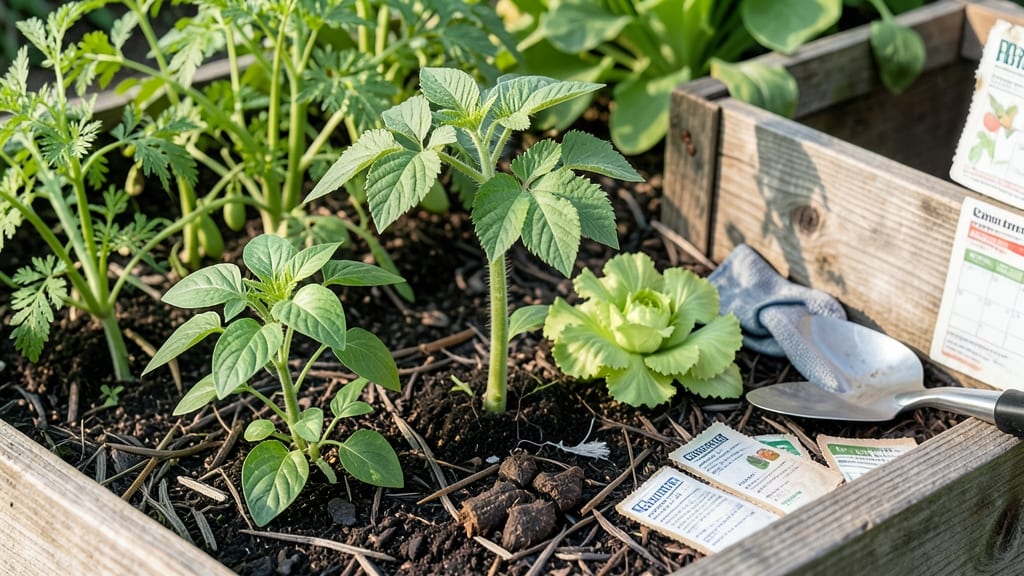
Timing your General Nebraska Garden planting just right can mean the difference between a bountiful harvest and wasted effort—especially in USDA Zones 5B and 6A where frost can strike unexpectedly.
If you’ve ever rushed to plant only to watch seedlings freeze overnight, you know how critical those early-season dates truly are.
Nebraska’s late April to mid-June window isn’t just a suggestion—it’s a science-backed rule for most vegetables and flowers. But here’s the catch: skipping soil temperature checks or ignoring local frost forecasts can turn your garden into a high-stakes guessing game.
I’ll break down the exact dates you need, plus how to adjust for Nebraska’s tricky microclimates.
You’ll discover which crops thrive when planted in August-September for a fall harvest, how to protect tender seedlings from mid-April frosts, and the 3 biggest mistakes Nebraska gardeners make with timing. Let’s get your 🌱 General Nebraska Garden off to the best possible start.
This isn’t just theory—it’s actionable advice straight from Nebraska Extension’s data, tailored to your zone. By the end, you’ll know precisely when to plant, what to watch for, and how to salvage your garden if Mother Nature throws you a curveball.
Nebraska planting calendar by month: exact dates for vegetables, flowers, and herbs
Nebraska’s USDA Zones 5B and 6A mean your planting timeline hinges on soil temperature and frost-free dates. The last average frost typically hits mid-April in western Nebraska and early May in the east, but always verify with your local Nebraska Extension office.
I’ve broken down the exact planting windows for cool-season and warm-season crops to help you time it perfectly.
For cool-season crops like peas, lettuce, and spinach, you can start seeds indoors 4-6 weeks before the last frost (late February to early March). These hardy plants tolerate light frosts and even thrive in 50°F soil.
Meanwhile, warm-season crops such as tomatoes, peppers, and cucumbers need to wait until the soil warms to at least 60°F—usually mid-May to early June—to avoid stunted growth.
| Month | Cool-Season Crops (Direct Sow) | Warm-Season Crops (Transplant) | Soil Temp Threshold |
|---|---|---|---|
| March | Peas, spinach, lettuce (hardened off) | Start tomatoes/peppers indoors | 45-50°F |
| April | Carrots, radishes, kale (after last frost) | Hardy transplants (cabbage, broccoli) | 50-55°F |
| May | Beets, Swiss chard (early May) | Tomatoes, peppers, cucumbers (after last frost) | 60°F+ |
| June | Late beans, potatoes | Sweet potatoes, eggplants | 65°F+ |
| August | Fall lettuce, spinach, peas | Broccoli, cabbage (for fall harvest) | 50-55°F |
🌱 Pro Tip: Use a soil thermometer to confirm readiness—don’t rely on air temperature alone!
In western Nebraska, where springs arrive earlier, you can push warm-season crops like beans and squash into the ground by late April. But in eastern Nebraska, wait until mid-May to avoid late frosts that can devastate tender seedlings.
I recommend planting cold-hardy varieties like ‘Early Girl’ tomatoes or ‘Sugar Ann’ peas for a head start.
For flowers and perennials, timing varies.
Plant bulbs like tulips and daffodils in fall (October) for spring blooms, while annuals like marigolds and zinnias can go in after the last frost. Herbs like parsley and cilantro thrive in cool weather, so sow them in early spring or late summer for a fall harvest.
Don’t forget about fall planting! Many crops like kale, carrots, and radishes can be sown as early as mid-August for a harvest before winter sets in. Aim to plant 6-8 weeks before the first frost (typically mid-October) to ensure maturity.
I’ve had great success with ‘Winterbor’ kale, which sweetens up after light frosts!
If you’re unsure about your specific microclimate, check the Nebraska State Climate Office for localized frost data. Urban areas like Omaha often experience heat islands, allowing for slightly earlier planting than rural zones. Adjust your timeline by 1-2 weeks if you’re in a warmer pocket.
For container gardening, warm-season crops can be planted 2-3 weeks later than in-ground planting since pots warm up faster. Just ensure containers have drainage holes and use lightweight potting mix to prevent overheating. My balcony tomatoes always thrive when moved outside by late May.
Finally, keep a planting journal to track what works in your yard. Note any unexpected frosts or drought spells—these records will help you fine-tune next year’s schedule. With Nebraska’s variable climate, flexibility is key to a bountiful harvest. 🌿
How to adjust planting times for Nebraska’s microclimates and frost risks
Nebraska’s variable climate between eastern and western regions means your planting dates should shift based on location. For example, Omaha (Zone 5B) often experiences earlier last frosts than Scottsbluff (Zone 6A), creating a 2-3 week difference in safe planting windows.
Always check the Nebraska State Climate Office for localized frost predictions.
Even within the same county, microclimates like south-facing slopes or urban heat islands can extend your growing season. I’ve seen tomato plants thrive two weeks earlier in a sunny, sheltered spot than in a windy lowland. Use these strategies to fine-tune your timing:
🌱 Adjust for elevation: Higher elevations (like Panhandle regions) have 10-14°F colder soil temps than eastern Nebraska. Wait until soil reaches 55°F for warm crops like peppers instead of the usual 50°F threshold.
🌿 Use row covers: Extend your spring planting window by 3-4 weeks using floating row covers. These protect cabbage, lettuce, and spinach from late frosts while allowing sunlight and water through. Remove covers when plants flower to prevent pollination issues.
Never plant warm-season crops (tomatoes, peppers, cucumbers) before May 15 in most of Nebraska. The 1996 late frost caught many gardeners off guard, killing 60% of early tomato seedlings in eastern counties. Use hardiness zone maps and local weather alerts to avoid this mistake.
Pro Tip: Plant cold-hardy varieties like 'Early Girl' tomatoes (tolerates 32°F) or 'Arctic King' cabbage (survives 15°F) to buffer against unexpected frosts.
For western Nebraska, where drought conditions are common, prioritize drought-tolerant crops like zucchini, Swiss chard, and black-eyed peas. These thrive with less frequent watering once established, reducing your risk if rains fail.
In eastern Nebraska, focus on moisture-loving crops like cucumbers and sweet corn that benefit from the region’s higher humidity.
Always monitor soil temperature with a soil thermometer—warm crops need soil at 60°F+, while cool crops like peas and spinach can handle 40°F+. I’ve had carrot seeds rot in cold, wet soil despite air temps being ideal, proving that soil warmth matters more than air temperature.
Finally, track your local frost dates for 3 years to identify patterns. While the USDA average last frost for Lincoln is April 20, my garden journal shows it’s actually occurred as late as May 5 in 2020.
Adjusting your planting timeline based on real data—not averages—will give you the edge every Nebraska gardener needs.