
Plants
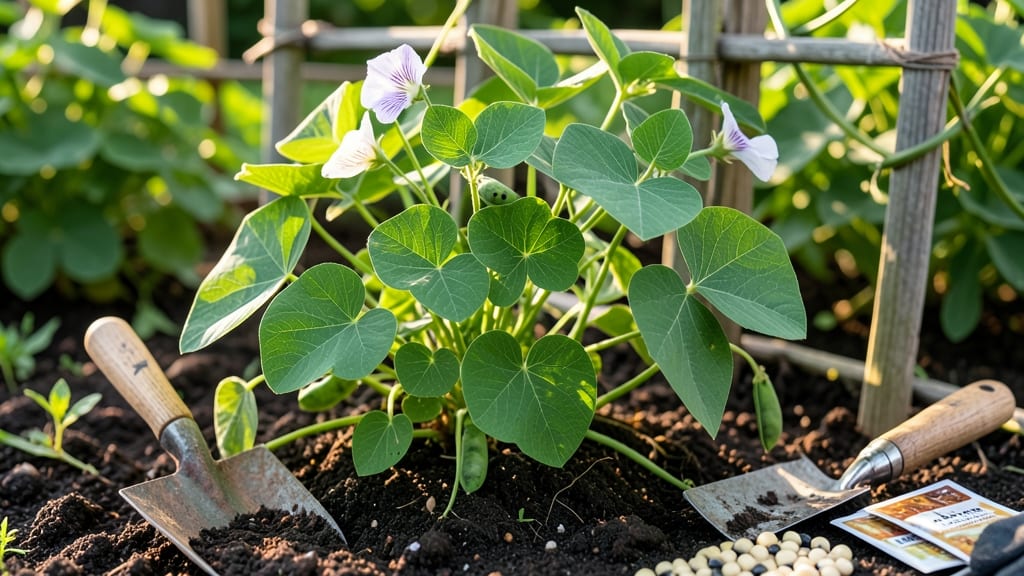
Planting black-eyed peas in Texas at the wrong time can mean waiting weeks for those first tender sprouts—or worse, watching your seeds rot in the soil.
The key to fast germination lies in waiting for soil temperatures to hit at least 60°F, a threshold that separates a thriving garden from a frustrating delay.
If you’ve ever wondered why some gardeners in North Texas plant in late February while those in South Texas wait until March, the answer is simple: soil warmth.
Texas’s varied climate means timing matters more than just calendar months. I’ll show you exactly when to plant in your specific region for the fastest, most reliable results.
Black-eyed peas love heat but hate cold soil, and that’s where most gardeners go wrong. We’ll cover how to test your soil temperature and adjust your planting schedule to match your local microclimate—because even a 5-degree difference can change everything.
From avoiding early frost risks to extending your growing season with mulch, these Texas-specific tips will help you get those little green shoots popping up in just 5-7 days. Let’s make sure your black-eyed peas grow fast and strong, not slow and sorry.
Best planting times for black eyed peas in Texas by region
Texas’s diverse climate means black-eyed peas can thrive in both spring and fall, but timing depends on your region. North Texas faces earlier frosts, while South Texas enjoys longer growing seasons. For fast germination and maximum yields, align planting with local frost-free dates and soil warmth.
In North Texas (Zones 7b-8a), aim for late March to early April for spring planting. Fall planting works from mid-August to early September to avoid early frost. Central Texas (Zones 8a-8b) can start as early as February and extend fall planting to late September.
South Texas (Zones 9a-9b) offers flexibility: plant January to March for spring or August to October for fall. These regions benefit from warmer soils earlier in the year, reducing germination delays.
🌱
| Region | Spring Planting | Fall Planting | Soil Temp Goal |
|---|---|---|---|
| North Texas | Late March–Early April | Mid-August–Early Sept | 60°F+ |
| Central Texas | February–Early April | Late August–Late Sept | 55°F+ |
| South Texas | January–March | August–October | 50°F+ |
For fall planting, prioritize varieties like 'Purple Hull' or 'Texas Cream', which mature quickly in cooler weather. In South Texas, consider 'Black Valentine' for extended harvests through winter.
Use a soil thermometer to confirm readiness—black-eyed peas need consistent warmth to sprout. In North Texas, wait until nighttime temps stay above 50°F to avoid frost damage.
Microclimates matter! Urban areas may be 5–10°F warmer than rural zones, allowing earlier planting. Observe your garden’s sun exposure and wind patterns to fine-tune timing.
🌿
Extend your growing season with row covers or mulch to protect young plants. In Central Texas, a black plastic mulch can warm soil by 10°F, speeding germination by 3–5 days.
Pro tip: Direct-sow seeds after the last frost—transplants struggle in Texas heat. Space seeds 3–4 inches apart in rows 18 inches apart for optimal airflow and sunlight.
🌡️
Soil temperature requirements for fast black eyed pea germination
Black-eyed peas won’t germinate until your soil hits at least 45°F, but they’ll sprout fastest when temperatures reach 60°F–75°F.
In Texas, this means waiting until late February in South Texas or early March in North Texas—unless you’re willing to use row covers or mulch to warm the soil faster.
Cold soil slows germination to a crawl, leaving seeds vulnerable to rot. I’ve seen black-eyed peas take 10+ days to sprout in 50°F soil versus just 5 days in ideal conditions. That’s why testing your soil temperature before planting is non-negotiable.
Use a soil thermometer (only $10!) to check temperatures at a 2-inch depth in the morning. If it’s below 60°F, delay planting or use black plastic mulch to raise soil temps by 5–10°F within days.
Here’s how Texas’s regions compare for soil warmth:
If your soil is too cold, try straw mulch (3–4 inches thick) to insulate the ground. I’ve had success planting in February in Central Texas by covering beds with mulch and clear plastic—this raises temps by 15°F+ in just 48 hours.
Pro tip: Plant seeds 1 inch deep in warm soil for the fastest results. Deeper planting can delay germination by 3–5 days in cooler conditions. Once sprouted, keep soil consistently moist but never soggy—black-eyed peas hate waterlogged roots.
For fall planting, aim for late summer (August–September) when soil temps start dropping toward 70°F–75°F. This gives seeds time to germinate before cooler weather sets in. Just watch for early frosts—black-eyed peas can’t handle temps below 25°F.