
Planting
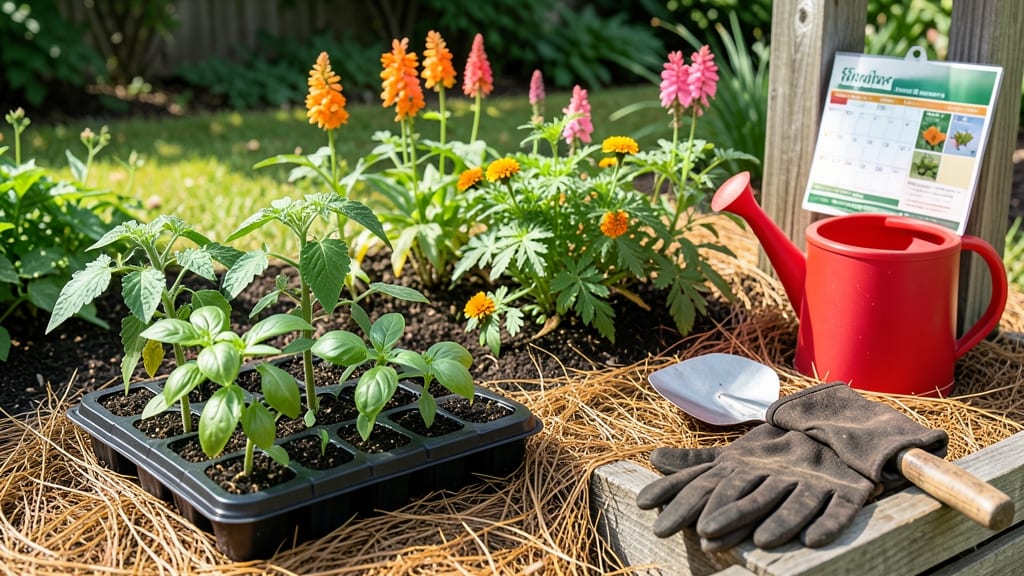
Planting a garden in Florida might seem simple—after all, frost is rare—but timing still makes all the difference between a thriving harvest and wasted effort.
Unlike northern states, Florida’s year-round growing season means you can plant almost anything, but knowing exactly when to start seeds or transplant matters for peak yields.
Whether you’re in North Florida’s 8a zone or South Florida’s 11, the right schedule avoids heat stress, pests, and even the occasional cold snap that sneaks in.
Most Florida gardeners assume they can just dig and plant whenever they feel like it, but the truth is, cool-season crops (like lettuce and broccoli) thrive in fall and winter, while warm-season favorites (tomatoes, peppers) need to go in after the last frost—even if that’s just a rare event.
I’ve seen beginners rush their tomatoes into the ground in May, only to watch them bolt in the heat. The key is matching your plants to Florida’s three distinct climate phases: cool, warm, and that magical transition window when temps are just right.
If you’re new to Florida gardening, you might be surprised by how much microclimates play a role—coastal areas stay warmer longer than inland spots, and humidity levels can shift overnight.
That’s why I’ve broken down the best planting months for everything from herbs to fruit trees, so you never miss a window. Plus, I’ll show you how to adjust for Florida’s quirks, like sudden rain or those pesky hurricanes that can throw off your schedule.
Ready to stop guessing and start growing? Let’s dive into the exact planting calendar for your county, so you can enjoy fresh produce year-round—without the stress.
Florida’s frost-free planting zones: county-by-county deadlines
Florida’s tropical and subtropical climate means most areas enjoy year-round gardening, but microclimates create big differences between North Florida’s cooler winters and South Florida’s frost-free zones.
While rare frost events can still occur in USDA Zones 8a-10, understanding your county’s last frost date helps you avoid risky planting times.
For example, Jacksonville (Duval County) averages its last frost around February 15, while Miami (Miami-Dade County) rarely sees frost at all. Even tropical plants like mangoes can struggle in North Florida’s occasional cold snaps, so knowing your zone is critical for long-term success.
Here’s a breakdown of county-specific planting windows for cool-season crops (like lettuce and broccoli) and warm-season crops (like tomatoes and peppers). These deadlines assume zero frost risk—but always monitor local weather forecasts for exceptions.
🌱
| Region | Last Frost Date (Avg.) | Best Planting Window for Cool-Season Crops | Best Planting Window for Warm-Season Crops |
|---|---|---|---|
| North Florida (Panhandle, Gainesville, Ocala) | Mid-February | September 15 – February 15 | March 1 – May 30 |
| Central Florida (Orlando, Tampa, Lakeland) | January 1 | October 15 – January 31 | February 15 – June 15 |
| South Florida (Miami, Fort Lauderdale, Key West) | None (rare frost) | Year-round (shade crops in summer) | Year-round (peak: March–October) |
🌡️ Note: Coastal areas (e.g., St. Petersburg) are warmer than inland zones (e.g., Gainesville). Adjust planting 1-2 weeks earlier for coastal microclimates.
In North Florida, cool-season crops like kale and carrots thrive from September to February, while tomatoes and peppers should wait until after March 1 to avoid late frost damage. Central Florida offers a longer window for cool-season planting, but heat-loving plants like okra and sweet potatoes perform best from February to June.
For South Florida gardeners, the rules change entirely. Tropical plants like bananas, papayas, and ginger can be planted year-round, but summer heat (above 90°F) stresses cool-season crops. Use shade cloth or drip irrigation to protect lettuce and spinach during June–August.
Even in frost-free zones, hurricane season (June–November) can disrupt planting. Pre-harvest crops like squash and beans should be planted before June 1 to avoid storm-related losses. Slow-growing plants like trees and shrubs are best transplanted in fall or early spring to establish roots before summer’s intensity.
🌿
Pro tip: Use mulch to regulate soil temperature. In North Florida, black plastic mulch warms soil for early spring planting, while straw mulch in South Florida keeps roots cool during summer heatwaves.
Always test your soil’s pH (aim for 6.0–7.0) and amend with compost before planting to ensure optimal growth.
🌡️
Best crops to plant by month: Florida’s 3-Phase planting calendar
Florida’s climate divides into three distinct planting phases: cool season (fall/winter), warm season (spring/summer), and year-round crops that thrive in our heat. Unlike northern states, you can grow tomatoes, peppers, and greens almost any month—if you pick the right varieties and timing. Here’s my month-by-month breakdown to maximize your harvests.
For cool-season crops like lettuce, broccoli, and carrots, focus on September through March. These plants handle Florida’s mild winters better than summer heat. In warm-season zones (April–August), prioritize tomatoes, okra, and sweet potatoes—they love our long, hot days.
Tropical plants like bananas, papayas, and hibiscus grow year-round in South Florida but need protection in North Florida’s rare cold snaps.
🌱
My top tip? Overlap planting seasons for continuous harvests. For example, sow bush beans in March for early summer harvests, then replant in July for a fall crop.
In South Florida, you can grow tomatoes year-round, but North Florida gardeners should stick to cool-season varieties from October to April to avoid heat stress.
For herbs, basil thrives in summer but bolts in spring/fall—plant it in May–September under shade cloth if needed. Cilantro, however, prefers cooler weather, so grow it in winter months. Tropical herbs like mint and lemongrass grow year-round but spread aggressively—contain them in pots!
🌿
Don’t forget Florida-friendly flowers like marigolds (year-round pest control) and hibiscus (heat-loving blooms). Time your spring bulbs like tulips for November–December planting—they’ll bloom just as winter cools down. With this schedule, you’ll enjoy fresh produce every month, even in Florida’s humid heat!