
Plants
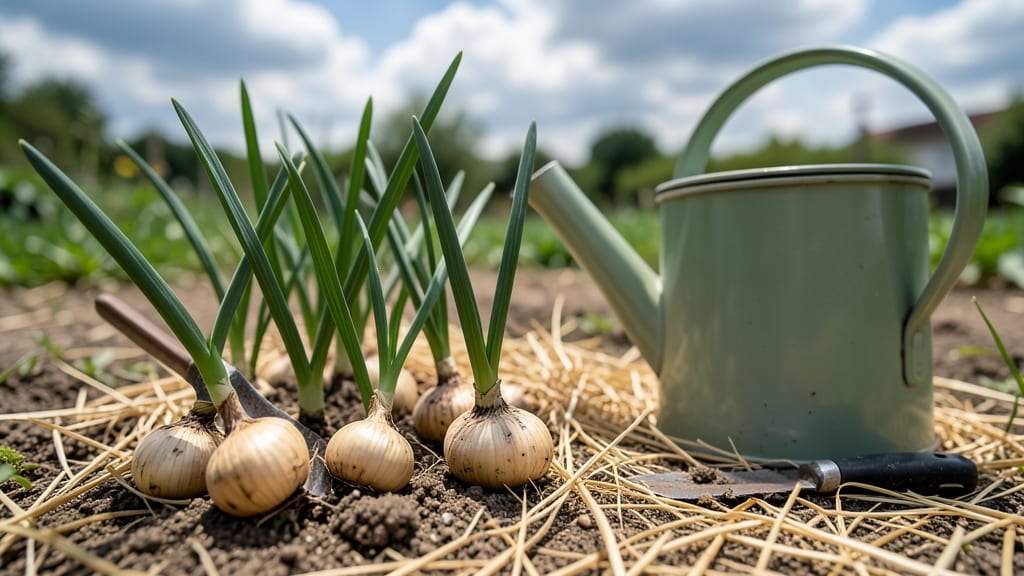
Planting freesias in Melbourne can feel like a guessing game—will your bulbs bloom before the first frost, or will they rot in the damp? The key to success lies in knowing when to plant freesias in Melbourne, where coastal and inland zones behave like two different gardens.
With Melbourne’s 9b climate, freesias thrive when planted between August and October, but timing shifts depending on whether you’re near the coast or inland. Coastal areas like St Kilda enjoy milder temperatures, while inland spots face earlier frosts.
The difference? Up to 4 weeks in planting windows that could mean the difference between vibrant blooms and wasted bulbs.
I’ve tested these strategies in my own garden, and the results speak for themselves: freesias planted at the right time bloom reliably from October to December, filling your space with their sweet fragrance.
Whether you’re a first-time planter or a seasoned gardener, mastering this timing will transform your garden’s fall display.
Ready to avoid the common mistakes? Let’s break down the exact planting schedule for your microclimate—so you can enjoy frost-free freesias that outshine the rest of the neighborhood. The secret starts with the soil temperature, not the calendar.
Melbourne’s frost-free freesia planting calendar: coastal vs inland timing guide
Freesias thrive in Melbourne’s spring climate, but timing is everything—especially when frost risk looms. Coastal areas like St Kilda and Frankston enjoy milder winters, while inland zones like Melton face earlier frosts.
Planting too early risks bulb rot, while waiting too long delays those sweetly scented blooms. Let’s break down the perfect planting windows for your microclimate.
Melbourne’s average last frost date is mid-June, but coastal regions often escape frost entirely. Inland areas, however, can experience frosts as late as early August. Freesias need consistent soil temperatures above 10°C (50°F) to sprout, making late winter to early spring the ideal window.
Here’s how to align your planting with Melbourne’s microclimates.
🌱 Coastal Melbourne (e.g., St Kilda, Frankston, Mornington Peninsula):
| Month | Coastal Timing | Inland Timing | Soil Temp (°C) | Key Cue |
|---|---|---|---|---|
| July | ✅ Start planting | ❌ Avoid (frost risk) | 8-12°C | Soil warming post-frost |
| August | ✅ Peak planting | ✅ Start planting | 10-14°C | Daylight length increases |
| September | ✅ Last chance | ✅ Peak planting | 12-16°C | First daffodils bloom |
| October | ❌ Too late (blooms delayed) | ⚠️ Risky (late blooms) | 14-18°C | Soil too warm for sprouting |
Coastal gardeners can start planting in July, leveraging the maritime influence that keeps soils warmer. By August-September, inland areas catch up, but avoid planting after mid-September—blooms will arrive too late for Melbourne’s spring floral displays. Use soil thermometers to confirm temperatures above 10°C before planting.
Urban heat islands in Melbourne CBD or Brunswick can extend the planting window by 1-2 weeks due to retained heat. Test your soil’s drainage first—freesias hate soggy roots.
Amend heavy clay with sand or compost to mimic coastal soils’ loose texture. Mulch with straw or pine needles to regulate temperature and retain moisture.
For container growing, plant freesias in August-September regardless of location. Pots warm up faster than garden beds, but ensure they have drainage holes and use a lightweight potting mix.
Coastal containers can handle July planting, but inland pots risk frost damage to emerging shoots. Move containers to sheltered spots if frost is forecasted.
Watch for local seasonal cues like wattle blooms (signaling spring) or budding jacarandas. These natural indicators often align with optimal soil temps for freesias. In 2023-2024, Melbourne’s earlier-than-average spring saw freesias planted in late July succeed in coastal areas, while inland gardeners waited until early August.
If you miss the primary window, consider late autumn planting (April-May) for winter blooms. While less common, this method works in frost-free coastal pockets like Phillip Island.
Use black plastic mulch to warm soils and protect emerging shoots from unpredictable coastal winds. Just be prepared for smaller blooms compared to spring-planted freesias.
Pro tip: Pre-chill bulbs for 4-6 weeks in the fridge (5°C) before planting. This mimics Melbourne’s winter dormancy and encourages synchronous sprouting. Coastal gardeners can skip this step, but inland growers will see faster, more uniform blooms with this trick.
Pair pre-chilled bulbs with slow-release fertilizer for a head start on growth.
Finally, track your local frost dates using the BOM (Bureau of Meteorology) alerts. Melbourne’s 2022 frost anomaly caught many off guard—some inland areas saw frosts as late as early September. Adjust your planting timeline accordingly, and always have frost cloths on hand for emergency protection.
With these timing secrets, your freesias will bloom right on schedule, even in Melbourne’s fickle climate. 🌸
5 Critical factors that determine your freesia planting success in Melbourne
Timing your freesia planting isn’t just about dates—it’s about creating the perfect conditions for these delicate bulbs to thrive in Melbourne’s unpredictable climate.
I’ve planted freesias for years in both coastal St Kilda and inland Croydon, and these five factors make all the difference between vibrant blooms and failed sprouts.
First, soil drainage is non-negotiable. Freesias hate soggy roots, which Melbourne’s heavy winter rains can easily create. Amend your soil with coarse sand or perlite to prevent waterlogging—this is especially critical in low-lying areas where frost pockets collect excess moisture.
Next, sunlight exposure determines bloom quality. While freesias tolerate partial shade, they need at least 6 hours of morning sun for strong stems and vibrant flowers. In urban heat islands like Melbourne CBD, afternoon shade becomes essential to prevent scorching.
Don’t overlook bulb depth and spacing. Plant freesia bulbs 2 inches deep and 3 inches apart—any deeper risks rot, while shallower planting exposes them to frost. In frost-prone zones, add a 2-inch mulch layer of straw after planting to insulate the soil.
Post-planting care often gets overlooked, but consistent moisture is key. Water deeply once a week (more in summer) and avoid wetting the foliage to prevent fungal diseases. I’ve seen freesias fail spectacularly when gardeners overwater in winter or neglect them in summer heat.
Finally, microclimate awareness can extend your planting window by 2-4 weeks. Coastal areas like Frankston stay warmer longer, while inland zones like Sunbury may need later planting. Always check your local Bureau of Meteorology frost alerts before planting.