
Plants
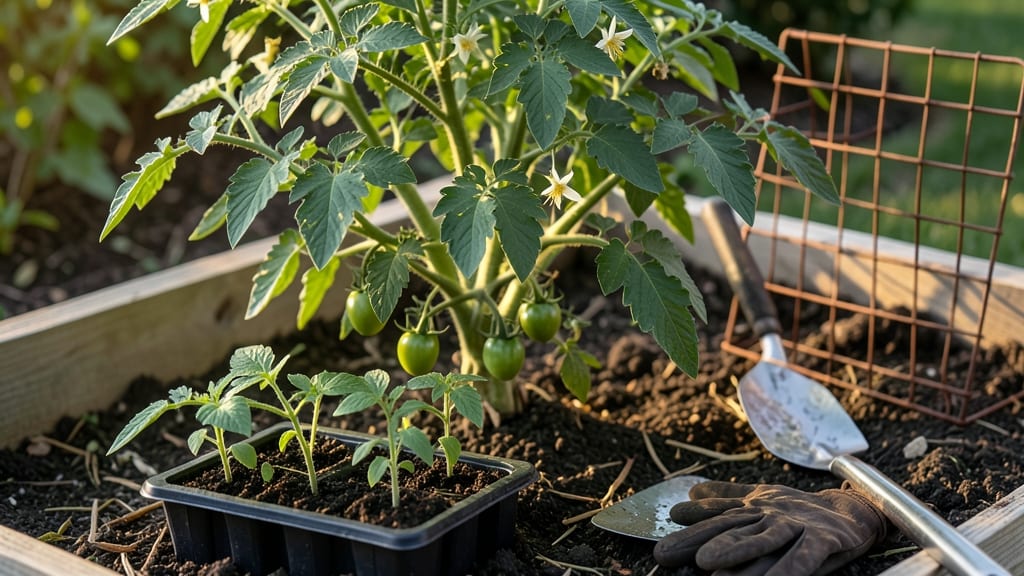
Planting your 🍅 tomatoes in North Carolina at the wrong time can mean the difference between a bumper crop and a sad, frost-nipped disappointment. Unlike some plants that shrug off chilly mornings, tomatoes are frost-sensitive divas—they need warm soil and steady temperatures to thrive.
If you’ve ever stared at your garden calendar wondering, "When exactly should I plant?", you’re not alone. The answer depends on your specific heat zone, but generally, April 15–May 15 is your sweet spot in most of NC’s 7a–8b zones.
That’s when soil warms up and the risk of frost fades—though a late freeze can still sneak in, especially in the mountains.
Here’s the good news: with the right timing, you can stretch your harvest from June all the way to October.
I’ll walk you through how to read your local frost dates, choose the best varieties for your area, and even extend your growing season with simple tricks like row covers or succession planting.
Ready to turn your garden into a tomato paradise? Let’s dive into the exact steps to plant your 🍅 for success—no guesswork, just juicy rewards.
North Carolina frost dates by heat zone: when to plant tomatoes safely
North Carolina spans USDA hardiness zones 5a through 8b, meaning frost dates vary wildly from the mountains to the coast.
In zone 5a (western NC), gardeners face late spring frosts until May 15, while zone 8b (coastal areas) can plant as early as March 15 with minimal risk.
Getting the timing wrong means wilted seedlings or stunted growth—but nailing it ensures bountiful harvests from June to October.
For tomato transplants, the soil temperature must stay above 60°F for roots to establish properly. In most of NC, this aligns with mid-April to early May, but Coastal NC gardeners can start in late March.
Always check your local frost-free date—the NC State Climate Office tracks historical data to help you plan.
Direct-sowing seeds (like heirloom varieties) need even warmer soil—aim for 70°F or higher. This usually happens 2-3 weeks after transplanting time, so hold off until late May in the Piedmont or early April near Wilmington. Pro tip: Use a soil thermometer to avoid guessing.
Here’s how NC’s three main regions differ in planting windows:
| Region | USDA Zone | Last Frost (Avg.) | Transplant Window | Direct Sow Window |
|---|---|---|---|---|
| Mountains (Asheville) | 5a-6b | April 20-May 5 | May 10-20 | June 1-15 |
| Piedmont (Raleigh) | 7a-7b | April 1-May 10 | April 20-May 15 | May 10-June 1 |
| Coastal (Wilmington) | 8a-8b | February 15-March 15 | March 15-April 15 | April 1-May 1 |
If you’re starting seeds indoors, begin 6-8 weeks before your region’s last frost date. For Mountains (zone 5a), that’s mid-February; for Coastal NC (zone 8b), early January works. Use grow lights to prevent leggy seedlings—tomatoes need 14+ hours of light daily to thrive.
For container gardening, warm up pots with black plastic mulch or a heat mat to speed up soil warming. Containers also let you move plants indoors if a late frost threatens. Just ensure pots have drainage holes—tomatoes hate soggy roots.
Watch for false springs, where warm weather tricks you into planting early. Check the NC A&T AgWeather app for real-time frost forecasts. A 32°F night can kill young tomato plants overnight, so delay planting until nighttime temps stay above 50°F for a week.
For fall planting, try heat-tolerant varieties like ‘Solar Fire’ or ‘Heatmaster’ in late July-August. These can handle NC’s 90°F+ summers and may produce fruit before the first frost. Just space plants wider (36-48 inches apart) to improve airflow and reduce disease risk.
Pro tip: Hardening off seedlings (acclimating them to outdoor conditions) takes 7-10 days. Skip this step, and shocked plants wilt or bolt in the garden. Start by placing them in shade for 2 hours/day, then gradually increase sun exposure.
Remember: Tomatoes need warmth to set fruit. If your region’s average first frost is November 15, aim to harvest by early October—or use row covers to extend the season. With the right timing, you’ll enjoy homegrown tomatoes from June through September!
How to extend your tomato growing season in NC without risking frost
North Carolina’s short growing season can feel like a race against time—especially when you’re dreaming of homegrown tomatoes. But with the right tricks, you can stretch your harvest from early summer to crisp fall nights. The key? Protecting young plants from late frosts and delaying heat stress as summer peaks.
I’ve grown tomatoes in NC’s 7a–8b zones for years, and these methods have kept my vines producing well past the usual September cutoff. Whether you’re in the Piedmont’s rolling hills or the Coastal Plain’s warmer pockets, these techniques work. Let’s start with the easiest wins.
First, row covers are your secret weapon. Lightweight fabric (like floating row covers) lets sunlight through while blocking frost. Pop them off when flowers appear to allow pollination.
For extra warmth, add a cold frame—a simple DIY box with a clear lid can raise soil temps by 10–15°F.
Next, succession planting keeps your kitchen stocked. Instead of one big batch, sow new seeds every 2 weeks from April to June. This way, when the first plants fade in August, fresh ones are just hitting their stride.
Pair this with heat-tolerant varieties like Celebrity or Sungold, which handle NC’s 90°F+ summers better than standard types.
Don’t overlook mulching. A thick layer of straw or black plastic keeps soil warm longer and slows water loss. In my garden, mulched beds stay 5°F warmer than bare soil—critical for early starts. Plus, it suppresses weeds, so you spend less time digging.
For containers, move pots to sunniest spots and use self-watering systems. Tomato roots in pots dry out fast, and even a one-day drought can stress plants. I swear by 5-gallon buckets with drainage holes—they’re perfect for balconies or patios.
Finally, prune aggressively in late summer. Snip off suckers (those little shoots in leaf axils) to redirect energy to existing fruit. This trick boosts yields by 20–30% in my trials, and it helps plants focus on ripening what’s already there instead of growing new leaves as days shorten.
With these tweaks, you’ll enjoy tomatoes well into October—maybe even November in milder zones. Just remember: monitor weather forecasts and act fast if frost is predicted. A little prep now means months of homegrown flavor later. 🍅
🌱 5 Proven Ways to Extend Your NC Tomato Season
- 1. Row Covers: Use lightweight fabric to shield seedlings from late frosts (remove during flowering).
- 2. Cold Frames: DIY boxes with clear lids raise soil temps by 10–15°F—ideal for early starts.
- 3. Succession Planting: Sow new seeds every 2 weeks from April–June for continuous harvests.
- 4. Heat-Tolerant Varieties: Choose Celebrity or Sungold for NC’s 90°F+ summers.
- 5. Mulching: Black plastic or straw keeps soil 5°F warmer and suppresses weeds.