
Plants
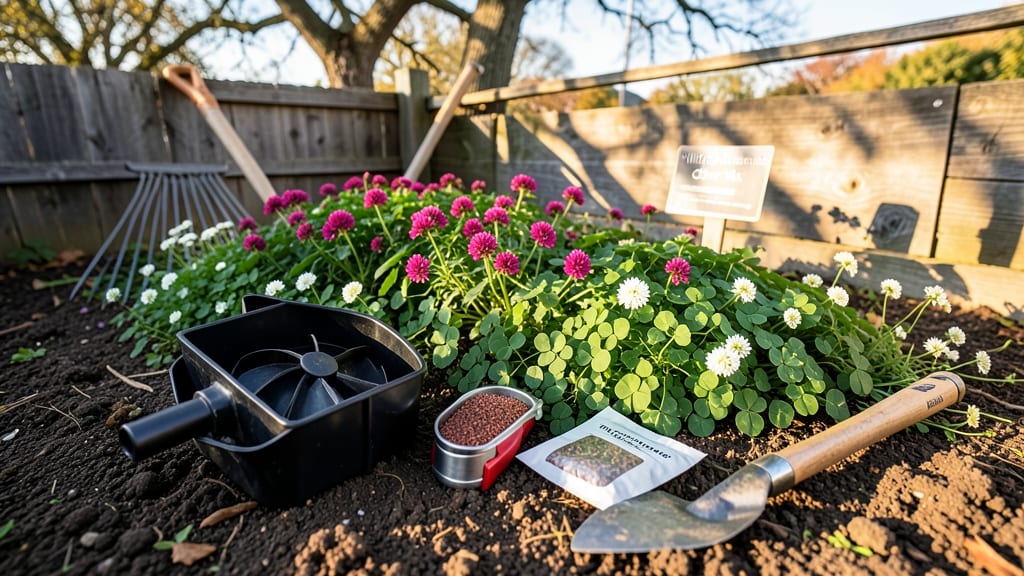
Planting food plots in Georgia at the wrong time could leave you staring at a frost-killed field by March—unless you know the exact windows that guarantee survival.
The difference between a lush deer magnet and a failed plot often comes down to timing, especially in zones 7b-8b where late frosts strike unpredictably.
Most Georgia landowners assume spring is the only time to plant, but the truth is fall offers a hidden advantage—especially for warm-season blends like sorghum-sudan.
I’ve tested both seasons across the state, and the best results come from planting late August to early September when soil temps stay above 60°F and frost risks drop below 10%.
Spring planting? Aim for February to early March—but only after checking your local frost-free date. A quick soil thermometer check (or calling your county extension office) can save you from wasting seed on a plot that’ll freeze before deer season even starts.
Ready to stop guessing and start growing? I’ll break down the precise month-by-month schedule, including backup strategies for when Georgia’s weather throws curveballs—so your food plots thrive, not just survive.
Georgia’s exact food plot planting windows by month (with frost risk zones)
Georgia’s USDA Zones 7b-8b create a unique challenge for food plot timing—late frosts can strike as late as mid-March in northern regions, while southern areas may see first frosts as early as mid-November. This means your planting window isn’t just about months—it’s about microclimates and soil temperatures.
For clover and brassicas, aim for February-March in southern GA or March-April in northern counties. Warm-season mixes like sorghum-sudan thrive when planted late May-early June after all frost risk has passed.
Don’t let Georgia’s unpredictable weather catch you off guard. The last frost date varies by 2-3 weeks across the state—check your local USDA frost map before committing to a planting schedule.
For example, Athens (Zone 8a) typically sees its last frost by March 15th, while Dalton (Zone 7b) may not clear frost until April 1st. This timing difference can mean 30+ days of growth advantage for early planners.
🌱 Key Takeaway: Georgia’s food plot success hinges on two critical windows—spring (Feb-Apr) for cool-season crops and late summer (Aug-Sep) for warm-season varieties. Miss these, and you risk frost damage or poor deer attraction during hunting seasons.
| Month | Best Crops | Frost Risk | Soil Temp | Planting Tip |
|---|---|---|---|---|
| February | Clover, Winter Rye, Brassicas | High (North GA) | 50-55°F | Plant early in South GA; wait until late Feb in North GA |
| March | Clover, Brassicas, Turnips | Moderate (Statewide) | 55-60°F | Ideal for all regions; monitor frost forecasts |
| April | Warm-Season Prep (Cover Crops) | Low | 60-65°F | Plant cover crops for summer soil prep |
| May | Sorghum-Sudan, Millet | None | 65-70°F | Wait until after last frost (typically mid-May) |
| August | Winter Rye, Clover | Low (Early) | 70-75°F | Plant for fall deer season; avoid late August in North GA |
| September | Brassicas, Turnips | Moderate (Late) | 65-70°F | Best for South GA; North GA may need frost cloth |
For northern Georgia (e.g., Dalton, Rome), March 15th-April 1st is your sweet spot for cool-season crops. In central Georgia (e.g., Macon, Columbus), you can push February 20th-March 15th for early clover establishment.
Meanwhile, southern Georgia (e.g., Savannah, Valdosta) gardeners can safely plant February 1st-March 1st without frost concerns. Always verify with your local Cooperative Extension for hyper-local advice.
Pro tip: Use a soil thermometer to confirm 60°F+ soil temps before planting warm-season mixes. Cold soil slows germination and invites fungal diseases. I’ve seen sorghum-sudan plots fail twice in April because the soil was still too cool—wait for consistency at 65°F+ for best results.
Georgia’s fall planting window (August-September) is just as critical. For winter rye and clover, aim to plant 6-8 weeks before your first frost. In North GA, that’s early September; in South GA, you can extend until mid-October.
This timing ensures peak forage during deer hunting seasons (November-February).
Don’t overlook microclimates—valleys and low-lying areas frost earlier than hills. I once planted brass
Georgia’s exact food plot planting windows by month (with frost risk zones)
Georgia’s food plot success hinges on planting at the right time—especially when late frosts can wipe out tender seedlings overnight. The Peach State’s USDA Zones 7b-8b offer two prime windows: late winter/early spring and late summer/early fall.
Miss these, and you risk stunted growth or total crop failure during hunting season.
Northern Georgia (e.g., Blue Ridge Mountains) faces earlier frosts (mid-November first frost), while southern regions (e.g., Savannah) may delay until December. Use the Almanac’s frost calculator to pinpoint your exact last frost date—this is your planting deadline for cool-season crops like clover and brassicas.
| Month | Best Crops | Soil Temp (°F) | Frost Risk | Planting Tip |
|---|---|---|---|---|
| February | Winter rye, clover, brassicas | 50-60°F | High (North GA) | Use frost cloth for seedlings |
| March | Chicory, turnips, winter peas | 60-70°F | Moderate (varies) | Plant after last frost date |
| April | Sorghum-sudan, millet, sunflowers | 70-80°F | Low | Ideal for warm-season mixes |
| August | Winter rye, brassicas, turnips | 65-75°F | Low (South GA) | Avoid late August in North GA |
| September | Clover, winter peas, chicory | 60-70°F | Moderate (North GA) | Best for fall deer season |
For warm-season crops like sorghum-sudan, wait until soil temperatures hit 70°F+—typically mid-April to May in most of Georgia. Use a soil thermometer ($15 at garden centers) to verify. Pro tip: Plant August-September for fall food plots, but avoid late August in North Georgia where frosts can sneak in.
Southern Georgia’s longer growing season lets you push boundaries—try early February plantings of winter rye with frost cloth for a head start. Just monitor 10-day forecasts for cold snaps. In North Georgia, stick to March-April for cool-season crops to avoid frost damage.
Remember: Deer season peaks in November and December, so time your fall plots to reach peak forage by then. A September planting of clover or brassicas will reward you with lush greens just as bucks hit their rut.
🌱 Key takeaway: Georgia’s two planting windows—spring (March-April) and fall (August-September)—align with deer activity. Use the frost-free date calculator to adjust for your microclimate, and always plant warm-season crops after soil warms to 70°F.