
Plants
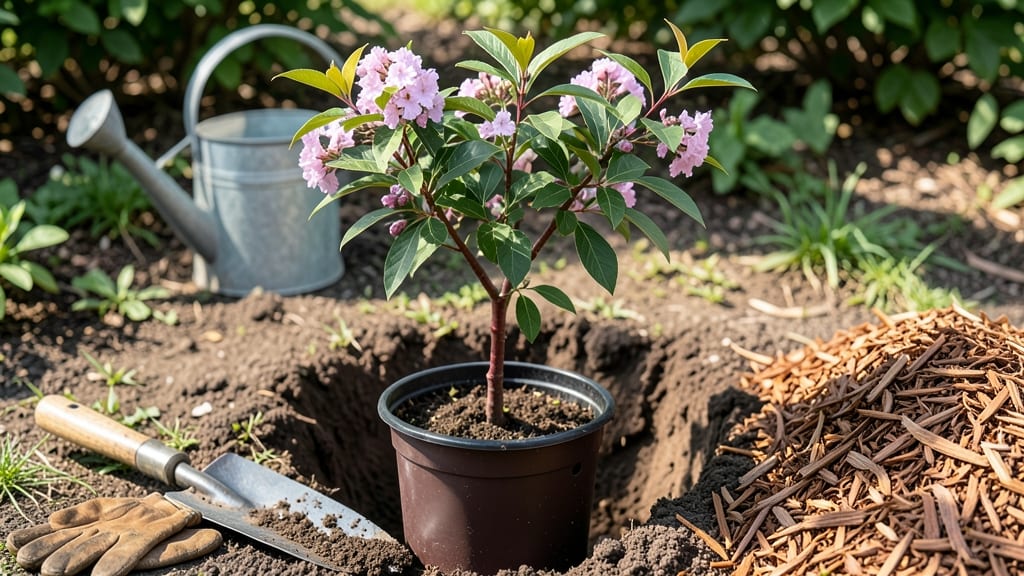
Planting your 🌸 crape myrtle at the wrong time in Texas could mean the difference between a thriving shrub and a sad, wilted sapling. The key to success?
Timing it right—either in the mild spring months or the cooler fall season—when your new plant can establish roots without battling Texas’s brutal heat or early frost.
If you’ve ever wondered why some crape myrtles flourish while others struggle, the answer lies in the calendar. Texas gardeners know that planting too early risks frost damage, while waiting too long exposes young roots to scorching summer temperatures.
But don’t worry—I’ll break down the best planting windows for your specific region, so you can enjoy vibrant blooms year after year with minimal stress.
The ideal time to plant crape myrtles in Texas is between February and April or September and November, depending on where you live. Whether you’re in North Texas with its chilly winters or South Texas with its extended growing season, knowing the right window makes all the difference.
Let’s dive into the details so you can get your 🌸 crape myrtle off to the best possible start.
Once you’ve got the timing down, the next step is preparing your soil and protecting your new plant from Texas’s extreme weather. I’ll share pro tips to ensure your crape myrtle thrives, from soil amendments to watering schedules that keep it happy all season long. Ready to plant with confidence?
Best months to plant crape myrtle in Texas for frost-free growth
Texas’s diverse climate zones mean your crape myrtle planting window depends on whether you’re in North Texas (Zone 7-8), Central Texas (Zone 8), or South Texas (Zone 9-10).
The sweet spot is after last frost but before summer’s brutal heat—typically February through April for spring planting or September through November for fall.
In North Texas, where frost lingers until mid-February, aim for late March to early April to avoid late-spring freezes. Meanwhile, South Texas gardeners can plant as early as January since frost is rare. Central Texas falls in between, with ideal dates from mid-February to early April.
Fall planting offers cooler soil temperatures and reduced transplant shock, letting roots establish before winter. However, avoid planting in late fall—November or December—as young crape myrtles may not harden off in time for winter freezes in colder zones.
Soil temperature is critical: crape myrtles thrive when soil is at least 60°F. Use a soil thermometer to confirm—below 55°F delays root growth. In North Texas, this usually means waiting until mid-April for spring plantings.
🌱Pro Tip: Check your local frost dates via the Texas A&M AgriLife Extension or National Weather Service. Planting 2-4 weeks after the average last frost gives your crape myrtle a head start.
| Texas Region | USDA Zone | Best Planting Window | Last Frost Date | Soil Temp Requirement |
|---|---|---|---|---|
| North Texas | 7b-8a | Late March–Early April (Spring) or September–October (Fall) | Mid-February | 60°F+ |
| Central Texas | 8a-8b | Mid-February–Early April (Spring) or September–November (Fall) | Mid-March | 60°F+ |
| South Texas | 9a-10b | January–March (Spring) or September–October (Fall) | Mid-January | 55°F+ (earlier planting) |
For container-grown crape myrtles, timing is more flexible—you can plant year-round in South Texas (Zone 9+) as long as soil temps are above 55°F. However, bare-root saplings still need soil warmth to thrive, so spring or fall remains ideal.
🌿Warning: Avoid late spring plantings (May–June)—Texas summers can hit 100°F+, causing transplant shock and root burn. If you miss spring, fall is your next best option.
Once planted, mulch heavily (3–4 inches) to retain moisture and regulate soil temps. In North Texas, add a lightweight frost blanket if unexpected late frosts threaten young plants.
🪴Key Takeaway: Spring (after frost) or early fall (before winter chill) are your best bets for Texas crape myrtle success. Plan ahead, and your vibrant blooms will reward you for years!
Best months to plant crape myrtle in Texas for frost-free growth
Texas’s diverse climate zones (7a–10b) mean one-size-fits-all planting advice won’t work for crape myrtles. In North Texas (Zones 7–8), frost lingers until mid-March, while South Texas (Zones 9–10) rarely sees frost after January.
Planting too early risks frost damage; too late, and summer heat shocks tender roots.
For zero-frost survival, aim for February–April (spring) or September–November (fall). Spring planting gives roots time to establish before summer’s 100°F+ heat, while fall planting lets them harden off before winter. Soil temperatures should stay above 60°F for root growth.
Here’s how Texas’s three main regions break down for optimal planting:
| Region | USDA Zone | Last Frost Date | Best Planting Window | Avoid Planting |
|---|---|---|---|---|
| North Texas | 7a–8b | Mid-March | February–April or September–October | May–August (extreme heat) |
| Central Texas | 8a–9a | Mid-March | February–April or September–November | June–July (peak heat) |
| South Texas | 9b–10b | January | January–April or September–December | May–August (drought + heat) |
If you miss the ideal windows, container planting offers flexibility—move pots to shade or cooler spots during heatwaves. Just ensure pots have drainage holes to prevent root rot from Texas’s intense summer downpours.
For fastest establishment, choose bare-root saplings (cheaper and hardier) over potted plants. Soak roots in water for 1–2 hours before planting to reduce transplant shock. Mulch heavily with 3–4 inches of organic mulch to retain moisture and regulate soil temps.
Remember: Crape myrtles hate wet feet. Amend clay-heavy Texas soil with compost or sand to improve drainage. In South Texas, prioritize drought-resistant varieties like 'Tonto' or 'Arapaho' to survive 100+°F summers with minimal water.