
Flowers
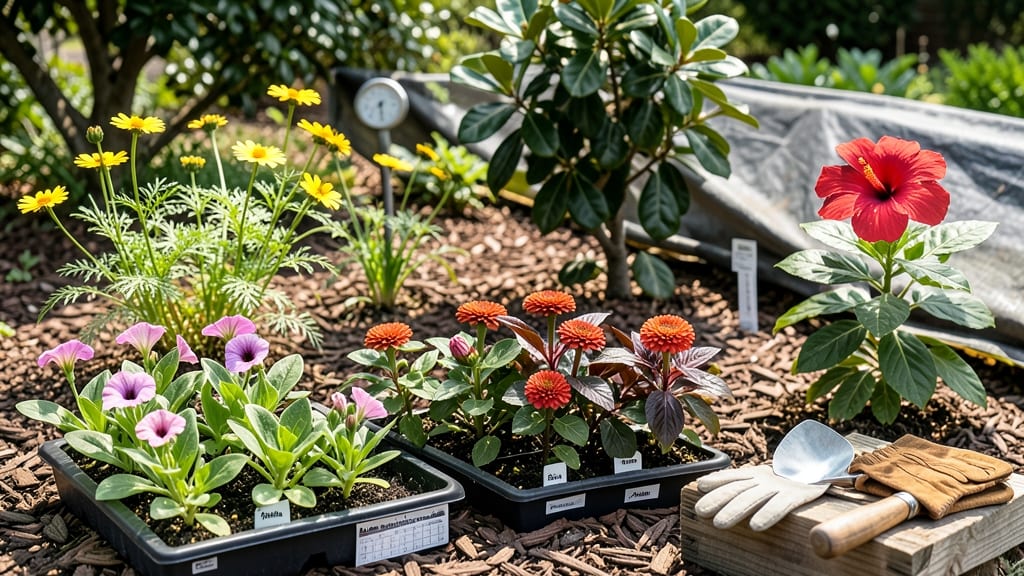
Planting flowers in Alabama at the right time means the difference between a garden bursting with 🌸 vibrant blooms and one that fades before summer’s heat even kicks in.
With USDA Zones 7b-8a offering two prime windows—late winter to early spring and late summer to early fall—you’ve got more opportunities than most gardeners, but timing still matters.
Skip the guesswork and avoid common mistakes like planting heat-sensitive annuals too early or missing the fall window for perennials. I’ll break down exactly when to plant everything from azaleas to petunias, so your garden stays lush from March’s first frost-free days through November’s crisp air.
Whether you’re a first-time gardener or a seasoned pro, this guide covers Alabama’s unique microclimates, soil prep secrets, and the best varieties for each season. Let’s turn your yard into a year-round floral show—without the trial and error.
Ready to dive in? You’ll leave here with a clear month-by-month planting calendar tailored for Alabama’s climate, plus pro tips to keep your flowers thriving through summer’s swelter and winter’s chill.
Alabama flower planting calendar by season: exact months for peak blooms
Alabama’s USDA Zones 7b-8a create a unique gardening paradise where flowers can bloom almost year-round—but knowing the exact planting windows is key to avoiding frost damage or heat stress.
Unlike northern states, Alabama’s last frost date typically falls around mid-March in North Alabama and even later in the South, while first frosts arrive in mid-November. This means you can push the limits of traditional planting schedules!
For cool-season flowers like pansies and snapdragons, start seeds indoors in January or plant outdoors in February to beat the spring rush. Warm-season favorites such as petunias and zinnias should wait until after the last frost, usually April in North Alabama and March in South Alabama.
This regional difference is critical—don’t let a late frost catch you off guard!
Bulbs like tulips and daffodils thrive when planted in fall (October-November) for spring blooms, while summer-blooming bulbs like dahlias should go in early spring (March-April). Perennials like black-eyed Susans and coneflowers can be planted in early spring or fall, giving you flexibility.
Tropical flowers like hibiscus and cannas love Alabama’s heat but need to be planted after May 1 to avoid frost.
Here’s your seasonal planting cheat sheet for Alabama’s microclimates, tailored to maximize blooms year-round:
🌸 Alabama Flower Planting Calendar
| Season | Planting Window | Best Flowers | Notes |
|---|---|---|---|
| Late Winter | February | Pansies, Snapdragons, Calendula | Cool-season annuals; mulch to protect from late frosts. |
| Early Spring | March-April | Tulips, Daffodils, Petunias, Zinnias | Plant bulbs in fall; annuals after last frost. |
| Summer | May-June | Marigolds, Sunflowers, Hibiscus, Canna Lilies | Heat-tolerant; mulch to retain moisture. |
| Fall | August-October | Chrysanthemums, Asters, Coreopsis, Dahlias | Extend season with shade cloth if needed. |
| Winter | December-January | Camellias, Hellebores, Winter Jasmine | Winter-hardy perennials; minimal care needed. |
Alabama’s humid subtropical climate means you can also experiment with succession planting—sow new seeds every 2-3 weeks in spring and fall to keep your garden blooming continuously. For example, plant cosmos seeds in March, April, and May for nonstop color from summer through fall.
Just be mindful of soil moisture; Alabama’s heat can dry out beds quickly, so mulch heavily to retain water.
Don’t overlook native Alabama flowers like black-eyed Susans, butterfly weed, and purple coneflowers, which thrive with minimal intervention and support local pollinators. These perennials can be planted in early spring or fall and will reward you with years of low-maintenance blooms.
For tropicals like plumbago or bougainvillea, wait until after Memorial Day to avoid frost damage, even in South Alabama.
Pro tip: Use shade cloth in summer to protect delicate flowers like impatiens or begonias from scorching. This simple trick can extend their bloom time by 4-6 weeks in Alabama’s intense heat. Pair it with drip irrigation to water at the roots, reducing fungal risks from overhead sprinklers.
Remember, Alabama’s microclimates vary wildly—even within 50 miles, frost dates can shift by 2-3 weeks. Check your local Cooperative Extension Service for precise frost data, and always have row covers on hand for unexpected cold snaps.
With this calendar, your garden will be a year-round floral spectacle, no matter where you are in the state!
Best flowers to plant in Alabama by growth habit: fast-bloomers vs. long-lasting perennials
Alabama’s extended growing season means you can enjoy annuals that bloom in 60 days alongside perennials that return year after year. The key? Matching your planting timeline to each flower’s growth habit.
Fast-blooming annuals like marigolds and zinnias thrive when planted in late spring or early fall, while hardy perennials such as black-eyed Susans and coreopsis establish roots in early spring or fall for winter resilience.
For heat-tolerant annuals that handle Alabama’s summer sun, prioritize varieties like petunias, salvias, and lantanas. These fast growers (30–60 days to bloom) are perfect for succession planting every 2–3 weeks to keep your garden vibrant all season.
Meanwhile, winter-hardy perennials like azaleas and camellias should be planted in fall (September–October) to give roots time to establish before winter.
🌸 Alabama’s Top Flowers by Growth Habit
- 🌱 Fast-Blooming Annuals (30–60 days): Marigolds, Zinnias, Petunias, Salvias, Lantanas
- 🌿 Long-Lasting Perennials (3+ years): Black-Eyed Susans, Coreopsis, Coneflowers, Azaleas, Camellias
- 🌷 Bulbs for Year-Round Color: Tulips (spring), Daffodils (spring), Crocuses (early spring), Fall-Planted Dahlias
- 🌺 Heat-Resistant Tropicals: Hibiscus, Plumeria, Canna Lilies (plant after last frost)
💡 Pro Tip: Pair annuals with short bloom cycles (e.g., pansies) with perennials that fill gaps (e.g., Russian sage) for continuous color.
Native Alabama wildflowers like purple coneflowers and butterfly weed are low-maintenance perennials that attract pollinators while requiring minimal water once established. Plant them in early spring (March–April) or fall (September–October) for best results.
For container gardening, opt for compact annuals like bacopa or calibrachoa, which thrive in partial shade and bloom nonstop with regular deadheading.
If you’re new to Alabama gardening, start with easy-care perennials like sedum or lavender, which tolerate poor soil and drought conditions once rooted. These drought-tolerant plants are ideal for North Alabama’s rocky soil or South Alabama’s sandy loam.
For shade gardens, impatiens and begonias are annuals that thrive in morning sun and afternoon shade, perfect for under trees or on porches.
Don’t overlook fall-blooming perennials like chrysanthemums and aster, which add autumn color when summer annuals fade. Plant them in early summer (June–July) for September–November blooms. For winter interest, hellbores and winter jasmine provide structure and subtle blooms even in USDA Zone 7b’s mild winters.
To maximize your Alabama garden’s potential, rotate annuals yearly to prevent soil depletion and mulch perennials with pine straw to retain moisture. With this growth-habit strategy, you’ll enjoy bold blooms from spring to frost—without the guesswork! 🌻