
Planting
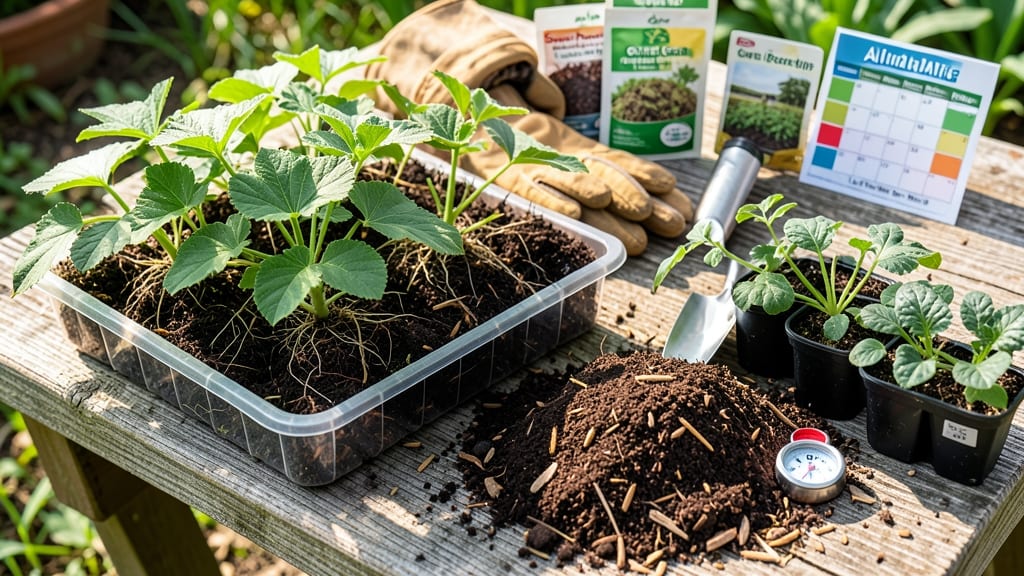
Knowing when to plant a garden in Alabama means the difference between a bumper crop and a sad, wilted disappointment—and the last frost date is your secret weapon.
Whether you're dreaming of juicy tomatoes or crisp lettuce, planting too early risks frost damage, while waiting too long cuts your harvest short. Alabama’s 7a-8b zones give you two prime windows: late winter through spring and late summer into fall, but the devil’s in the details.
I’ve spent years growing everything from 🌱 okra to zucchini in Alabama’s heat, and the biggest mistake I see is ignoring how frost dates shift from Mobile to Huntsville. Northern counties like Madison might still see frost in early April, while southern Mobile County could be frost-free by late February.
That’s why I’m breaking down exactly when to plant cool-season crops like spinach (plant them 4-6 weeks before your last frost) versus heat-lovers like peppers (wait until soil hits 60°F).
But here’s the kicker: even within those windows, your microclimate matters. Urban heat islands in Birmingham cook faster than rural areas, and coastal breezes in Gulf Shores extend the season.
I’ll show you how to adjust for your specific corner of Alabama—whether you’re in the mountains, the Black Belt, or the Wiregrass—so you can maximize every square foot of your garden.
Ready to stop guessing and start growing? Let’s dive into the exact planting schedule that’ll turn your Alabama garden from “meh” to “magnificent”—with county-specific frost dates, crop-by-crop timing, and pro tips to beat the heat or outsmart the cold. Your harvest is waiting.
Alabama’s frost dates by county: when to start planting cool vs warm season crops
Alabama’s USDA Zones 7a-8b mean we enjoy a 200-240 day frost-free season, but exact planting times vary wildly across the state. Northern counties like Madison or Marshall face earlier frosts (mid-October), while southern regions like Mobile or Baldwin can garden until early December.
These differences mean your cool-season crops like lettuce and warm-season crops like tomatoes need precise timing.
Understanding your last spring frost and first fall frost is critical. In northern Alabama, the last frost typically arrives March 15-April 1, while southern Alabama sees frost-free conditions by February 28-March 15.
For cool-season crops, this means starting seeds 4-6 weeks before your local last frost date, while warm-season crops should wait until soil temperatures hit 60°F+—usually 2-4 weeks after the last frost.
Here’s how to use this data: Cool-season crops like broccoli and spinach thrive when planted February-March in the north and January-February in the south. Warm-season crops such as tomatoes and peppers need to go in April-May in the north and March-April in the south. Fall planting for cool-season crops starts August-September, with a rush to harvest before the first frost.
| Region | Last Frost | First Frost | Cool-Season Planting | Warm-Season Planting |
|---|---|---|---|---|
| North (e.g., Huntsville, Decatur) | March 15-April 1 | Mid-October | Feb 15-Mar 15 | Apr 15-May 1 |
| Central (e.g., Birmingham, Montgomery) | March 1-March 15 | Late October | Feb 1-Mar 1 | Mar 20-Apr 15 |
| South (e.g., Mobile, Dothan) | Feb 28-Mar 15 | Early December | Jan 15-Feb 15 | Mar 1-Apr 1 |
| Coastal (e.g., Baldwin, Escambia) | Feb 15-Mar 1 | Mid-November | Jan 1-Feb 1 | Feb 20-Mar 15 |
For northern Alabama gardeners, focus on early spring planting (February-March) for cool-season crops and late spring (April-May) for warm-season varieties.
In southern Alabama, you can start warm-season crops as early as February and enjoy fall harvests until December. Urban gardeners in cities like Birmingham or Montgomery may experience microclimates with slightly earlier frosts, so monitor local weather closely.
Pro tip: Use row covers to extend your cool-season growing window by 2-4 weeks in early spring or late fall. This is especially useful for leafy greens like kale and spinach, which can bolt (go to seed) quickly in warm weather.
For warm-season crops, wait until soil temperatures are consistently above 60°F—cold soil can stunt growth and invite disease.
Don’t forget about fall planting! Many gardeners overlook the second planting season in Alabama. Cool-season crops like broccoli, cabbage, and carrots can be sown in August-September for a fall harvest.
In southern Alabama, you might even squeeze in a winter harvest of peas or lettuce before the first frost. The key is to plant 6-8 weeks before your expected first frost date.
If you’re unsure about your exact frost dates, check the Alabama Cooperative Extension System or use a frost calendar app like PlantMaps. These tools provide hyper-localized data that can save your garden from a late frost disaster. For example, Huntsville’s last frost might be April
Best months to plant specific vegetables in Alabama (from seed to transplant)
Alabama’s two distinct planting seasons—spring and fall—offer perfect windows for growing everything from tomatoes to broccoli. But timing varies wildly between cool-season crops (like lettuce) and warm-season powerhouses (like peppers). Here’s my month-by-month breakdown to maximize your harvests.
For cool-season crops, start seeds indoors 4-6 weeks before your last frost date. In northern Alabama, that’s often February for early varieties, while southern Alabama gardeners can begin as early as January. Transplant seedlings outdoors 2-3 weeks before the last frost—typically mid-March to early April.
- February-March: Start cool-season crops (spinach, peas, broccoli) indoors or direct-sow hardy varieties like kale and carrots.
- April-May: Transplant tomatoes, peppers, and eggplants after last frost when soil hits 60°F+.
- June-July: Direct-sow okra, sweet potatoes, and southern peas—these thrive in Alabama’s summer heat.
- August-September: Begin fall crops (lettuce, radishes, turnips) for a second harvest before frost.
Warm-season crops like tomatoes and peppers demand patience—wait until after your last frost date and only when soil temperatures exceed 60°F. In Mobile, that’s often mid-March, but in Huntsville, you might wait until mid-April.
Pro tip: Use black plastic mulch to warm soil faster in cooler regions.
Don’t overlook fall planting! Alabama’s mild winters allow for a second growing season. Start cool-season crops like broccoli and cabbage in August for harvests before the first frost (late October to November). Southern gardeners can even squeeze in spinach or radishes as late as October.
For herbs like basil and cilantro, timing matters too. Basil loves heat—plant after last frost, while cilantro bolts in summer. Try fall cilantro for a cooler-season crop that thrives in September-October plantings.
Container gardeners, take note: Potted plants warm up faster, so you can start warm-season crops 2-3 weeks earlier than in-ground gardens. Just ensure containers have drainage holes to prevent root rot in Alabama’s humid summers.