
Flowers
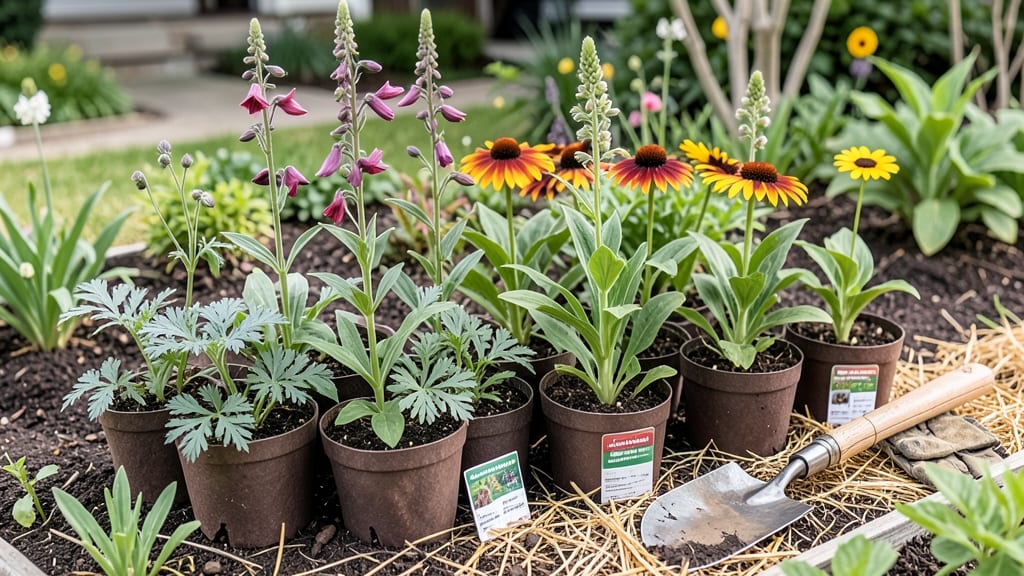
Timing your flower planting in Denver isn’t just about following a calendar—it’s about outsmarting the city’s tricky climate, where last frosts can linger until mid-April and sudden heat waves arrive by June. Get the timing wrong, and your 🌸 blooms might bolt before they even show off their colors.
I’ve learned the hard way that Denver’s USDA Zone 5b-6a demands precision: plant too early, and frost zaps your seedlings; too late, and summer’s relentless sun turns petals crispy.
The secret? Knowing whether to dig in during spring’s cool shoulders or fall’s crisp air—and which flowers play by Denver’s rules.
In this guide, I’ll break down the exact windows for planting annuals, perennials, and bulbs so you avoid the most common mistakes. Whether you’re dreaming of vibrant summer borders or year-round color, these seasonal strategies will help your flowers thrive—not just survive—Denver’s dramatic shifts.
Ready to turn your garden into a bold, long-lasting showstopper? Let’s get started with the timing that actually works for your 5,280-foot elevation.
Best spring planting timeline for Denver flowers: avoid last-freeze risks
Denver’s spring planting window is short but critical—getting flowers in the ground too early risks frost damage, while waiting too long means missed blooms. The average last frost date in Denver is April 15–May 1, but microclimates (like urban heat islands) can shift this by weeks.
To maximize success, I’ve broken down the ideal planting timeline for annuals, perennials, and bulbs, plus how to prep your soil for Denver’s alkaline, clay-heavy soil.
Start by testing your soil’s pH—Denver’s natural 7.4–8.4 pH can stunt nutrient uptake. Amend with compost or sulfur to lower pH for acid-loving plants like azaleas or hydrangeas. For most flowers, aim for a 6.0–7.0 pH.
Once soil temps hit 50°F (10°C) at 4 inches deep (usually late April), it’s time to plant. Use a soil thermometer to confirm—cold soil delays germination.
🌱
🌿 Denver Spring Planting Comparison
| Flower Type | Cold-Hardy Varieties | Heat-Loving Varieties | Ideal Planting Window | Denver-Specific Tip |
|---|---|---|---|---|
| Annuals | Petunias, Marigolds, Snapdragons | Zinnias, Sunflowers, Cosmos | May 1–June 15 | Use black plastic mulch to warm soil for heat-lovers. |
| Perennials | Coneflowers, Black-Eyed Susans, Lavender | Salvia, Russian Sage, Catmint | April 15–May 10 | Divide crowded perennials in early spring for better blooms. |
| Bulbs | Tulips, Daffodils, Hyacinths | Calla Lilies, Begonias | March 1–April 15 (after frost) | Plant tulip bulbs 6–8 inches deep to prevent rodent damage. |
| Vegetable Flowers | Nasturtiums, Calendula | Basil Flowers, Borage | April 20–May 10 | Let some basil flowers go to seed for pollinators. |
For heat-loving annuals like zinnias or sunflowers, consider starting seeds indoors in late March to give them a head start. Denver’s dry, windy springs can stress young plants, so use windbreaks (like cornstalks or mesh screens) until they’re established.
Harden off seedlings by placing them outdoors for 2–3 hours daily starting two weeks before transplanting.
If you miss the spring window, don’t panic—fall planting (September–October) is almost as effective in Denver’s climate. Cooler soil temps and reduced water stress give fall-planted flowers a stronger root system before winter.
For now, focus on mulching your spring plantings with 2–3 inches of straw or shredded leaves to retain moisture and regulate soil temperature.
🌿
Pro tip: Use biodegradable plant collars for annuals to create clean planting holes and prevent soil compaction. Denver’s clay soil can become compacted easily, slowing root growth. Pair this with a slow-release fertilizer (like 10-10-10) at planting time to give your flowers a nutrient boost without burning tender roots.
Monitor your garden closely in May—Denver’s unpredictable late frosts can occur as late as May 10. Keep a frost cloth on hand for sensitive plants like petunias or geraniums.
With the right timing and prep, your spring-planted flowers will reward you with bold, long-lasting blooms from June through fall.
☀️
Fall planting secrets for Denver gardens: extend blooms through winter
Fall planting is my secret weapon for Denver gardens—it often outperforms spring planting because cooler soil temperatures reduce transplant shock, and established roots handle winter better. The key window is September to early October, when soil stays warm enough for root growth but nights grow chilly.
This timing lets flowers like pansies and snapdragons bloom through winter or establish strong roots for spring.
Denver’s high altitude and short growing season make fall planting especially effective. Cooler temps mean less water stress, and flowers planted now can survive light frosts.
Plus, you’ll beat spring crowds at nurseries for cold-hardy varieties that thrive in USDA Zone 5b-6a. Think of it as giving your blooms a head start on next year’s garden.
🌱 Top 5 Fall-Planted Flowers for Denver’s Altitude
- 1. Pansies – Blooms October–May, tolerates 20°F temps, thrives in partial shade.
- 2. Snapdragons – Cold-resistant, blooms November–March, loves full sun.
- 3. Calendula – Edible petals, disease-resistant, blooms September–frost.
- 4. Stock (Matthiola) – Fragrant, blooms until snow, needs well-draining soil.
- 5. Aster – Native perennial, attracts pollinators, blooms August–October.
To prep your garden, test soil pH (aim for 6.0–7.0) and amend with compost to improve drainage—Denver’s clay soil can compact in fall. Space plants 12–18 inches apart to allow airflow, which prevents fungal diseases like powdery mildew.
A 2–3 inch mulch layer of straw or shredded leaves insulates roots and retains moisture.
Watering shifts in fall: deep soak weekly instead of daily, as temps drop. Aim for 1 inch of water per week, but adjust if rain falls.
Morning watering is best—it reduces evaporation and fungal risks. Avoid overhead sprinklers by late afternoon, when cooler temps can cause leaf burn.
Fertilizing in fall is gentle but strategic. Use a low-nitrogen, balanced fertilizer (5-10-10) in early September to encourage root growth without promoting tender new shoots.
Skip fertilizing by mid-October, as plants prepare for dormancy. Instead, focus on mulching and protecting young plants with frost blankets if early frosts hit.
Pro tip: Plant bulbs like tulips and daffodils in late September–October for spring blooms. Their roots establish in cool soil, making them 3x more resilient to Denver’s unpredictable freeze-thaw cycles. Pair them with fall-blooming perennials like sedum or Russian sage for year-round interest.